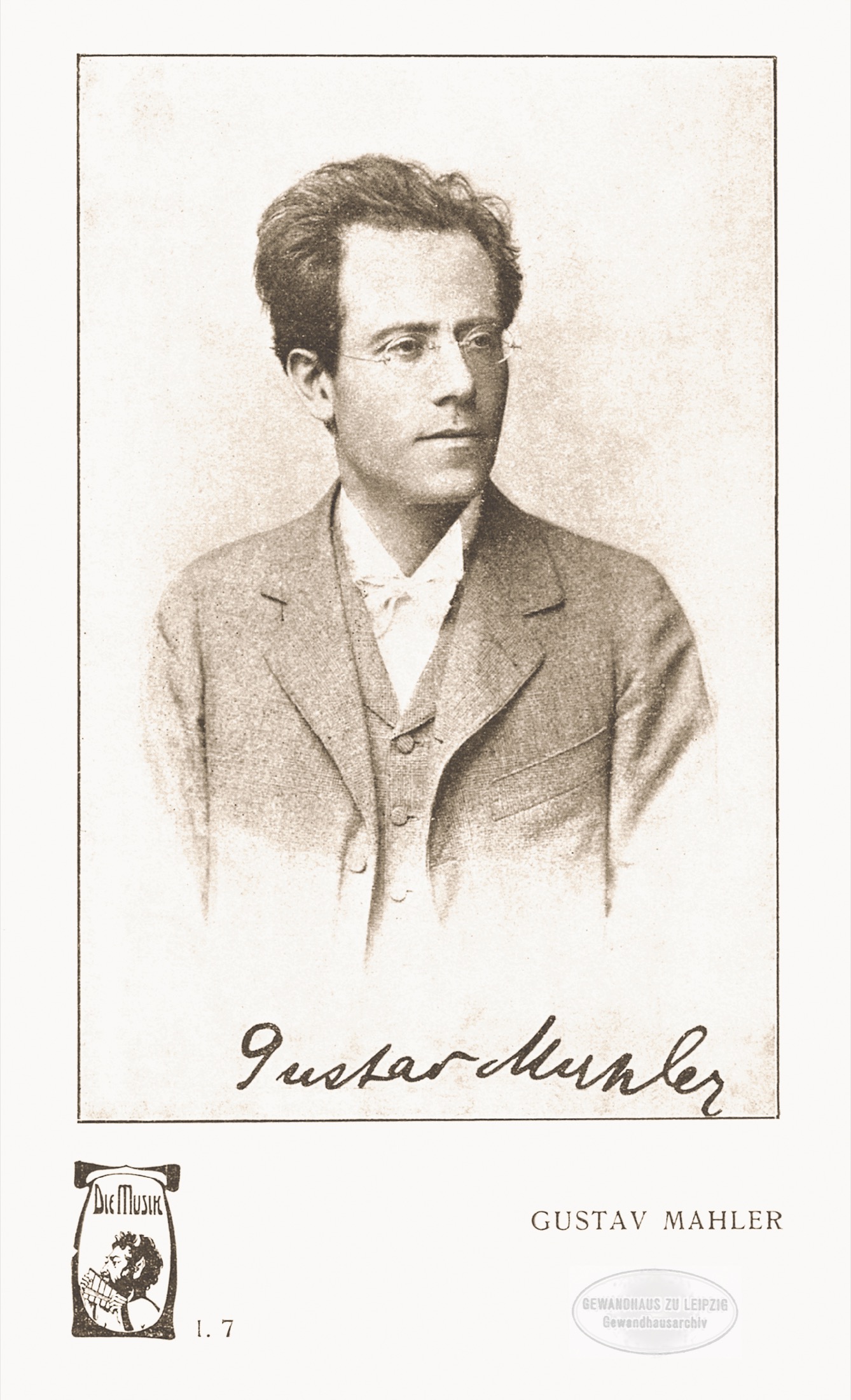
Gustav Mahler in Leipzig—The Birth of a Titan
A FILM BY ANNA SCHMIDT
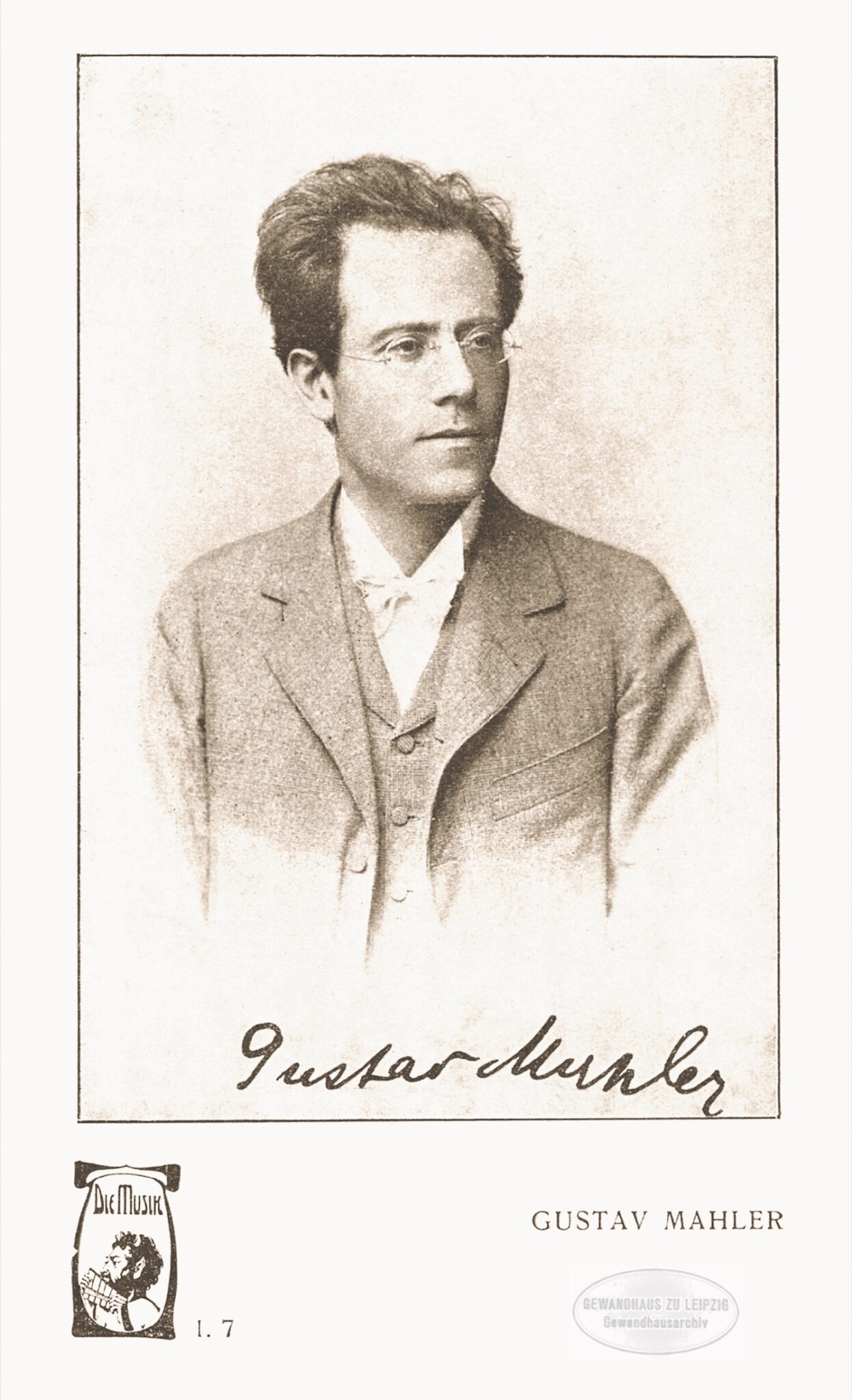
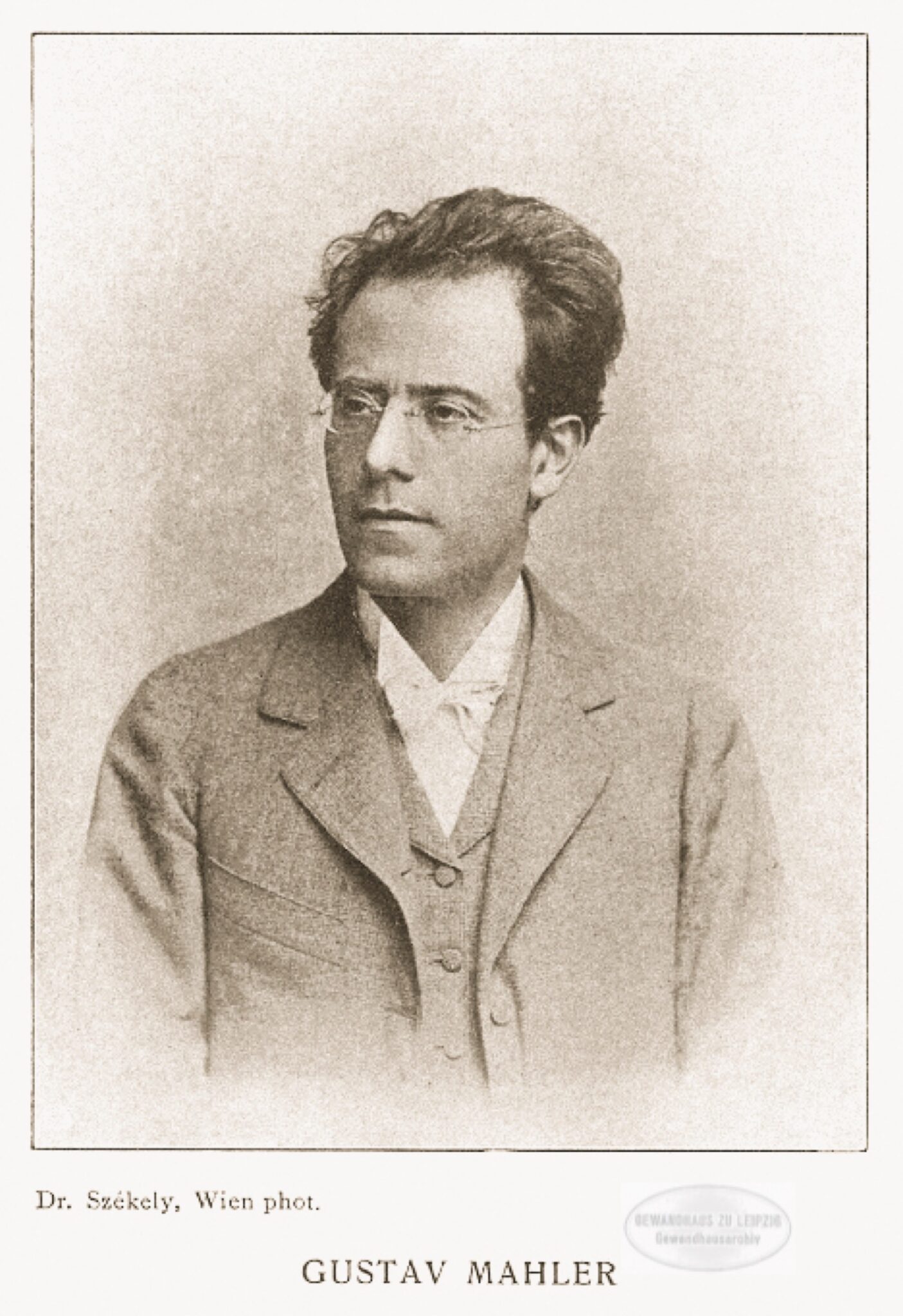
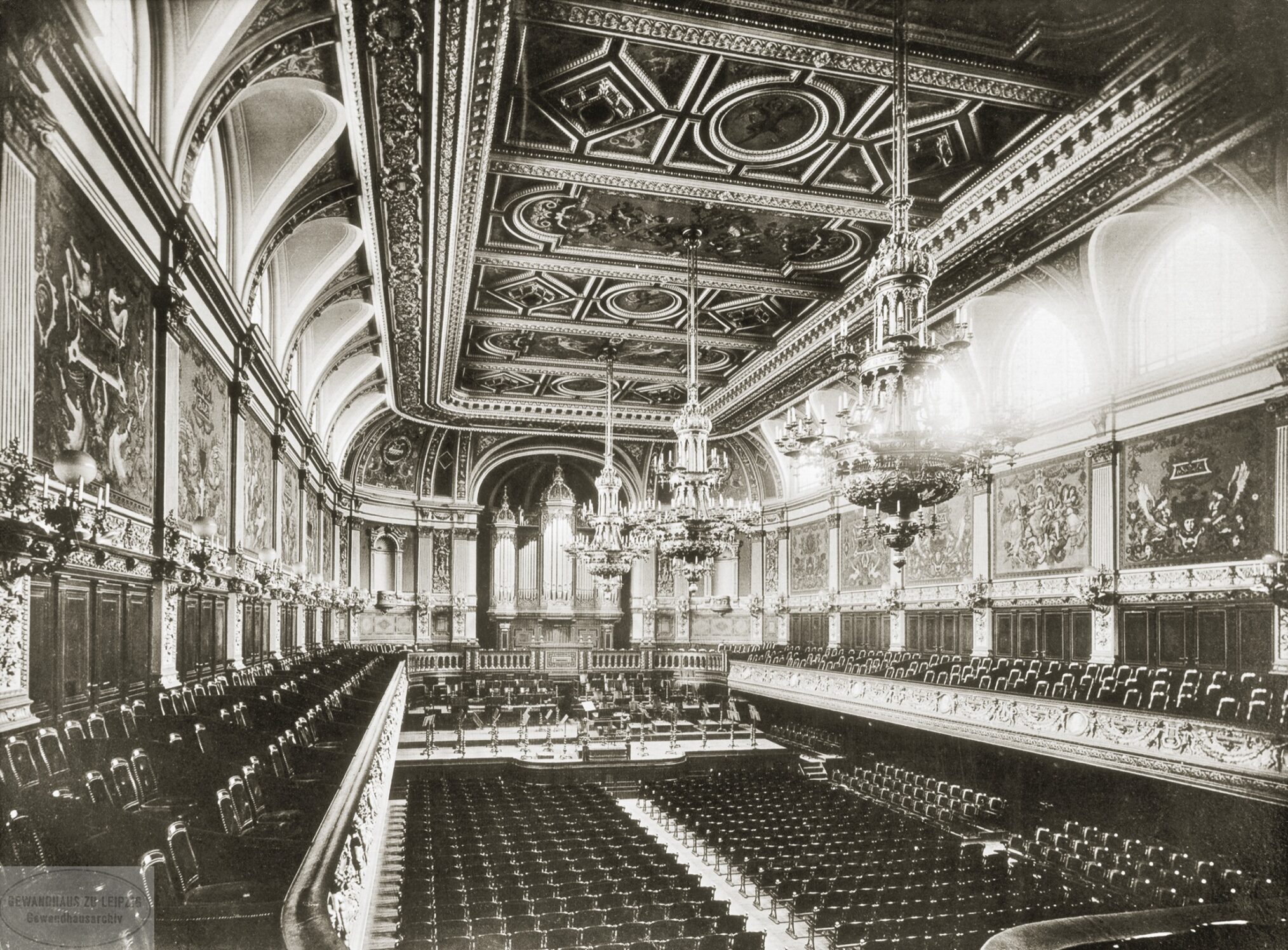
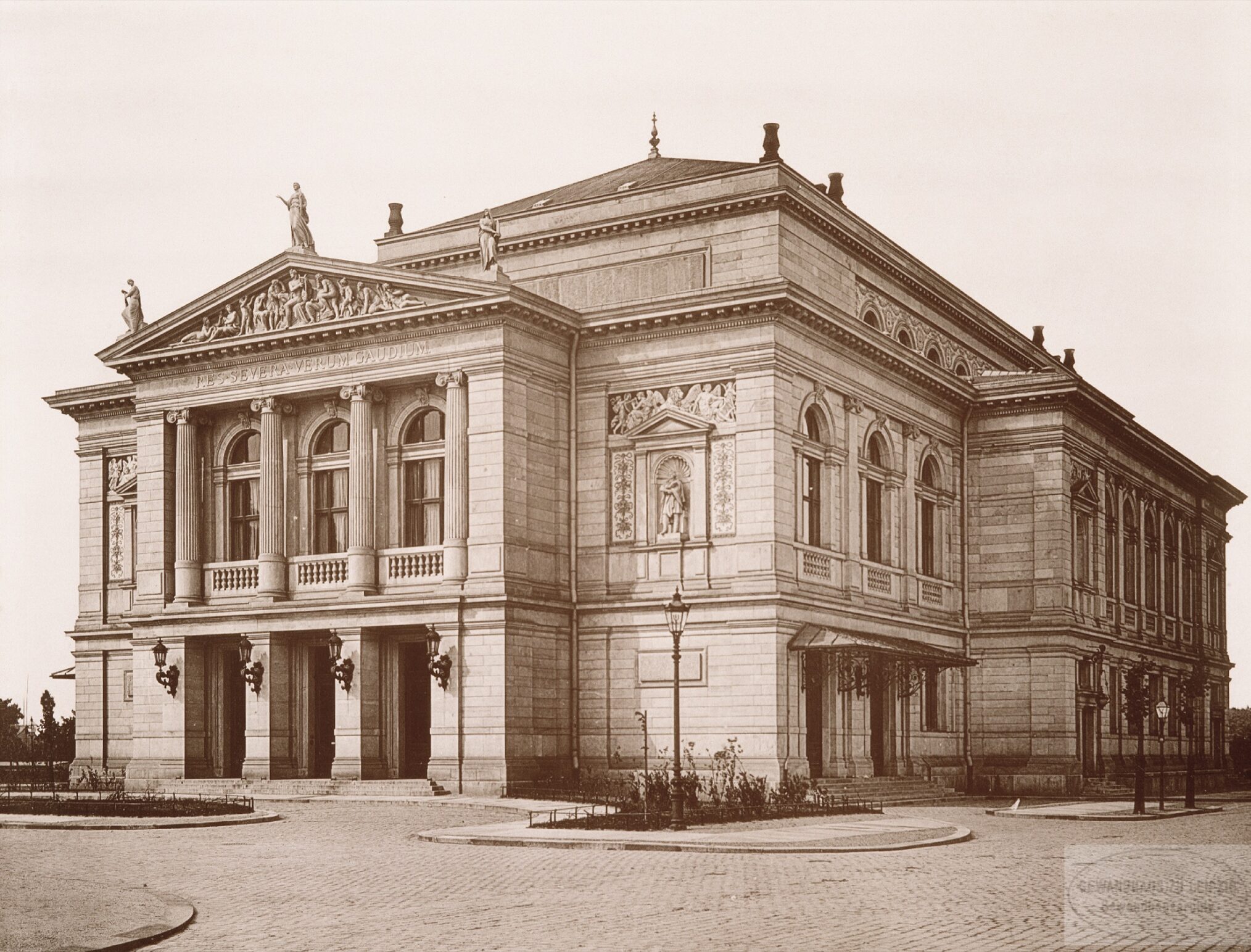
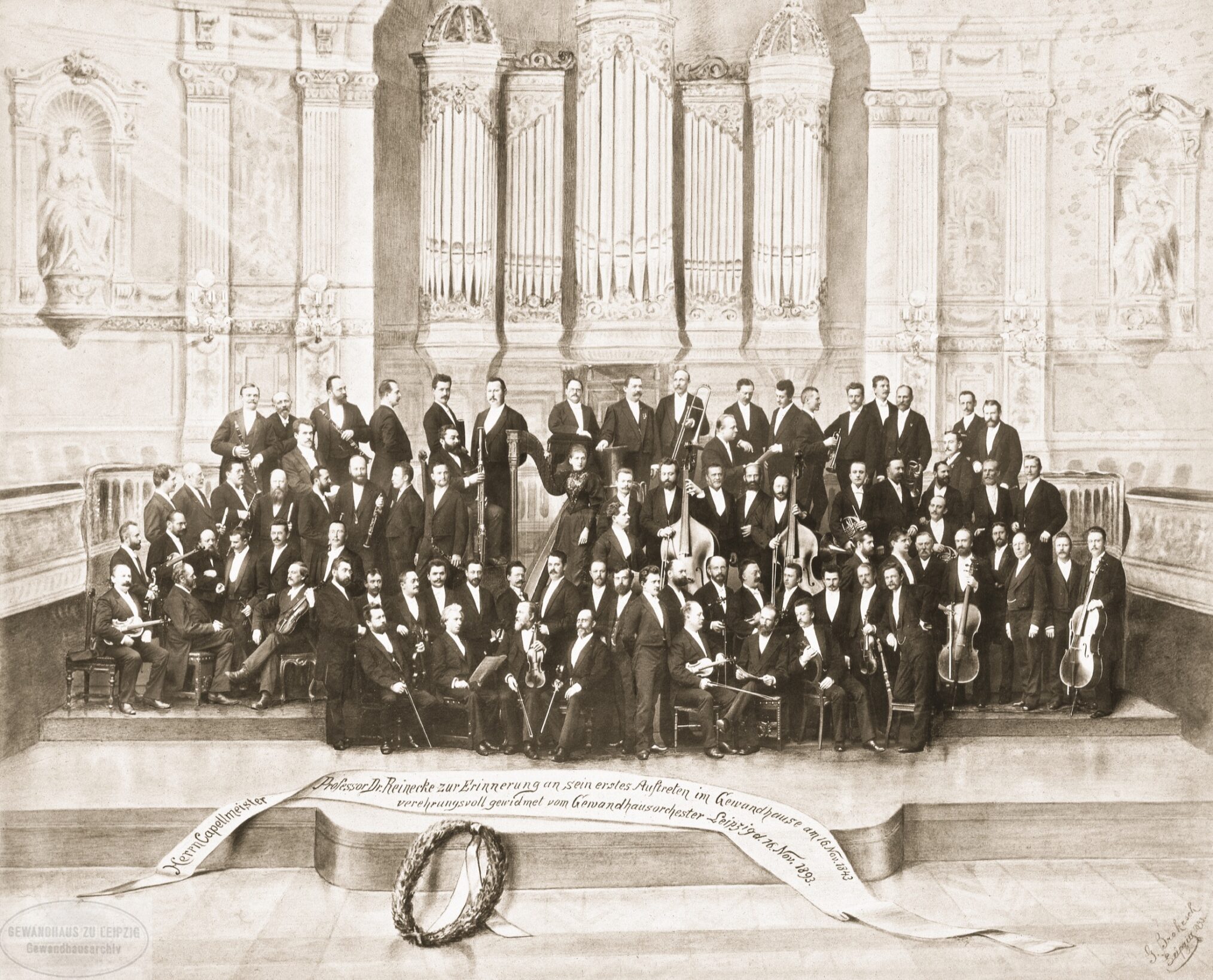
Gustav Mahler is considered one of the greatest composers. His works dominate concert halls around the world. Books and films have shed light on the inner life of this perfectionist musician. And yet there is a biographical gap in the literature. Mahler’s time in Leipzig. Yet the years he spent here were just as significant to him as those in Vienna and Amsterdam. Mahler was 26 when he arrived in Leipzig in 1886. At that time, the city was considered the musical center of Europe, alongside Paris and Vienna. The Neues Theater, where Mahler was hired as a conductor, was the most modern theater of its time. As a conductor, he quickly made a name for himself and began his meteoric rise in Leipzig. With the world premiere of his arrangement of Carl Maria von Weber’s opera *Die drei Pintos*, Mahler introduced himself to a wider public as a composer for the first time. Following the successful premiere of *Die drei Pintos*, the entire international music world took notice of him. “I became a well-known figure overnight—not only in Germany, but throughout the world.”
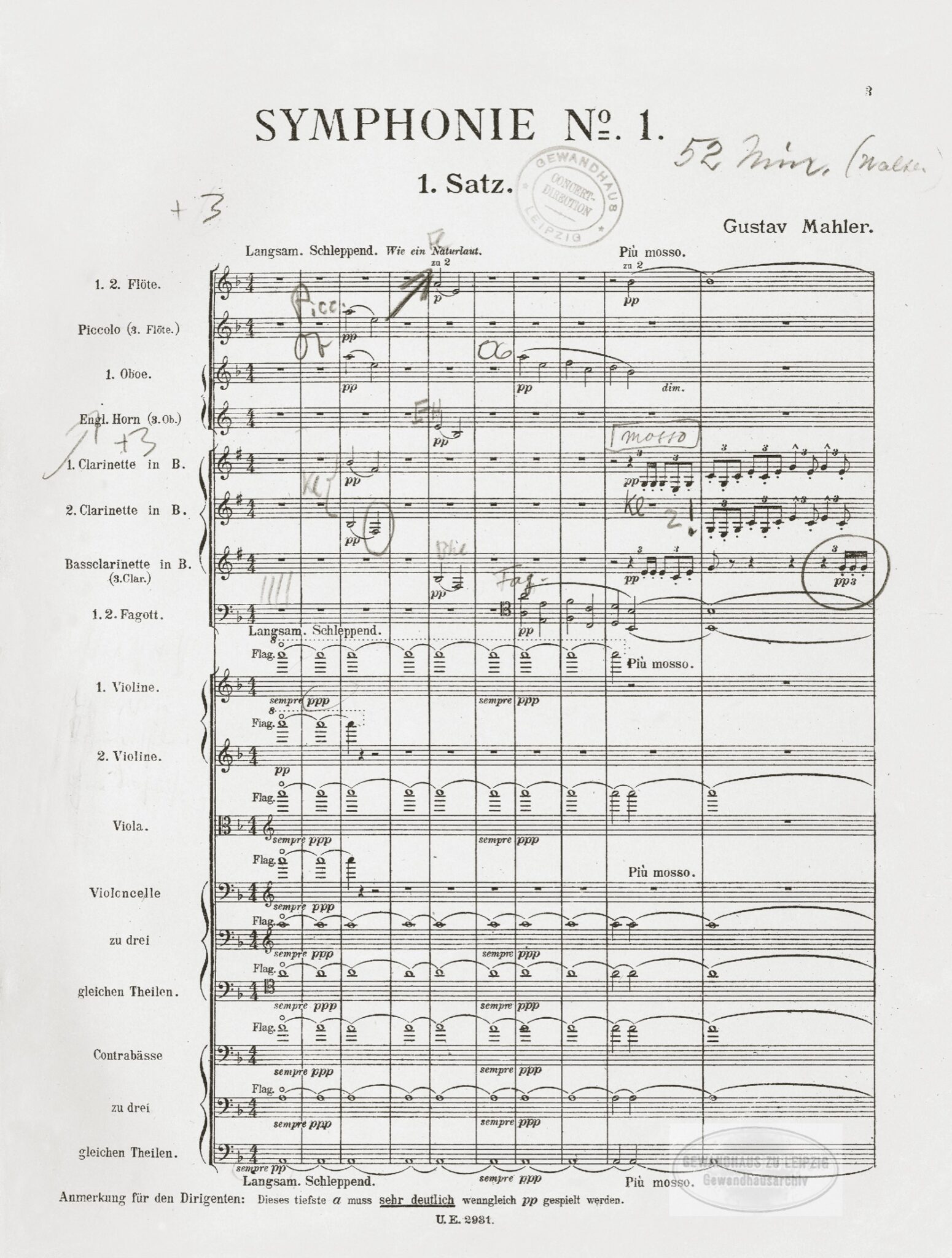
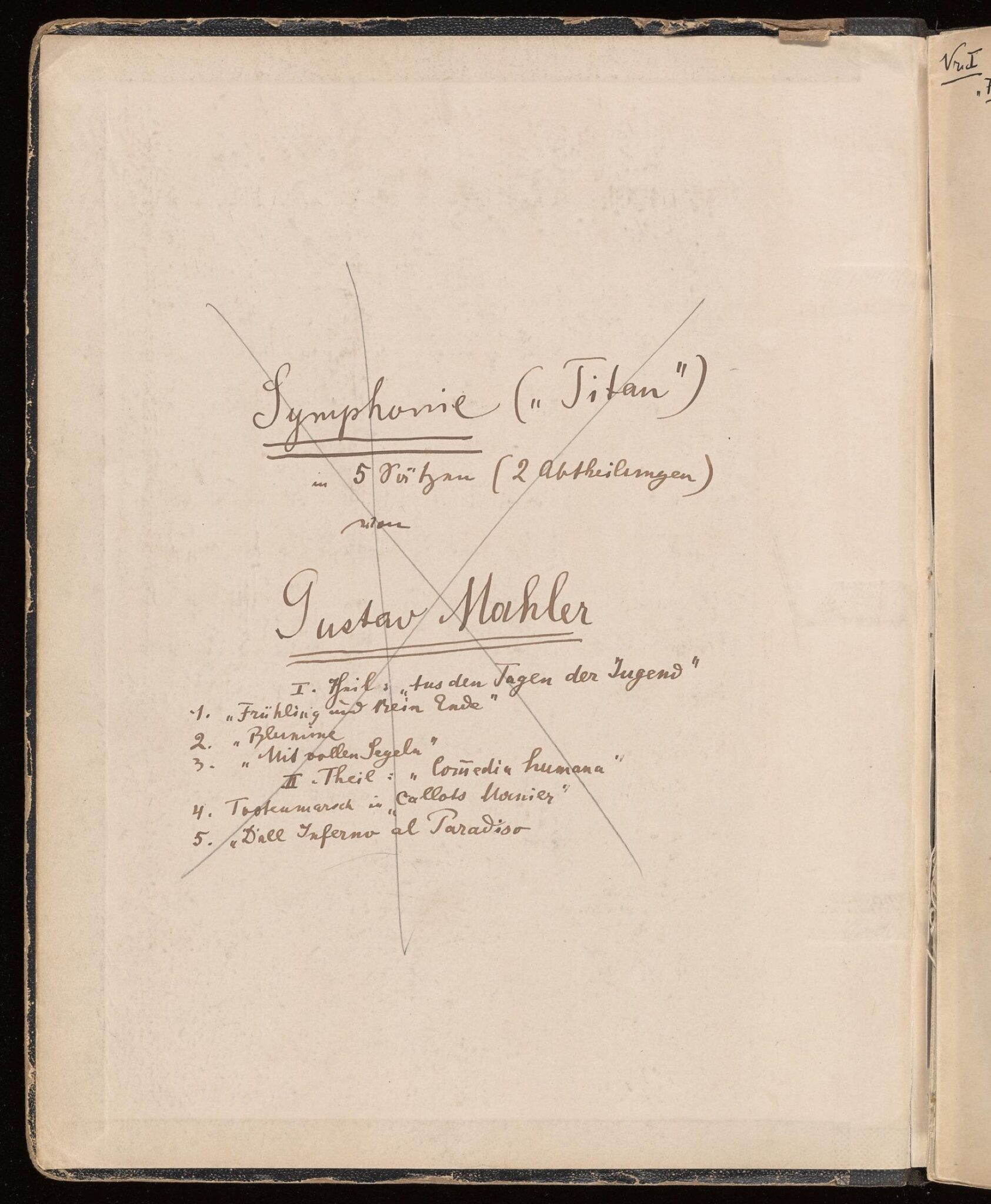
Inspired by his success and by love, Mahler composed his First Symphony in just six weeks in May 1888. Once it was finished, he was certain that from then on he would have to compose.
Chailly: “With his First Symphony, he lifts a curtain behind which a new sonic universe slowly emerges. A unique sound that was completely unknown until then. That is the power of Mahler.”
After 22 months, Mahler leaves the city of music and moves on. This brief period, however, marks a milestone in his life, as it is here that he establishes himself as a conductor and discovers his calling as a symphonic composer. Mahler, however, returns time and again to what was then the musical capital to conduct his symphonies. His visit in November 1905 was particularly significant: in the recording studio of Hugo Popper & Co., he recorded songs and symphonic movements on a grand piano made by the Leipzig-based company Feurig, which was equipped with built-in mechanical sound rolls. Since Mahler was no longer able to record his works with orchestras, these Leipzig rolls are of inestimable value today. Mahler died in 1911 at the age of only 50.
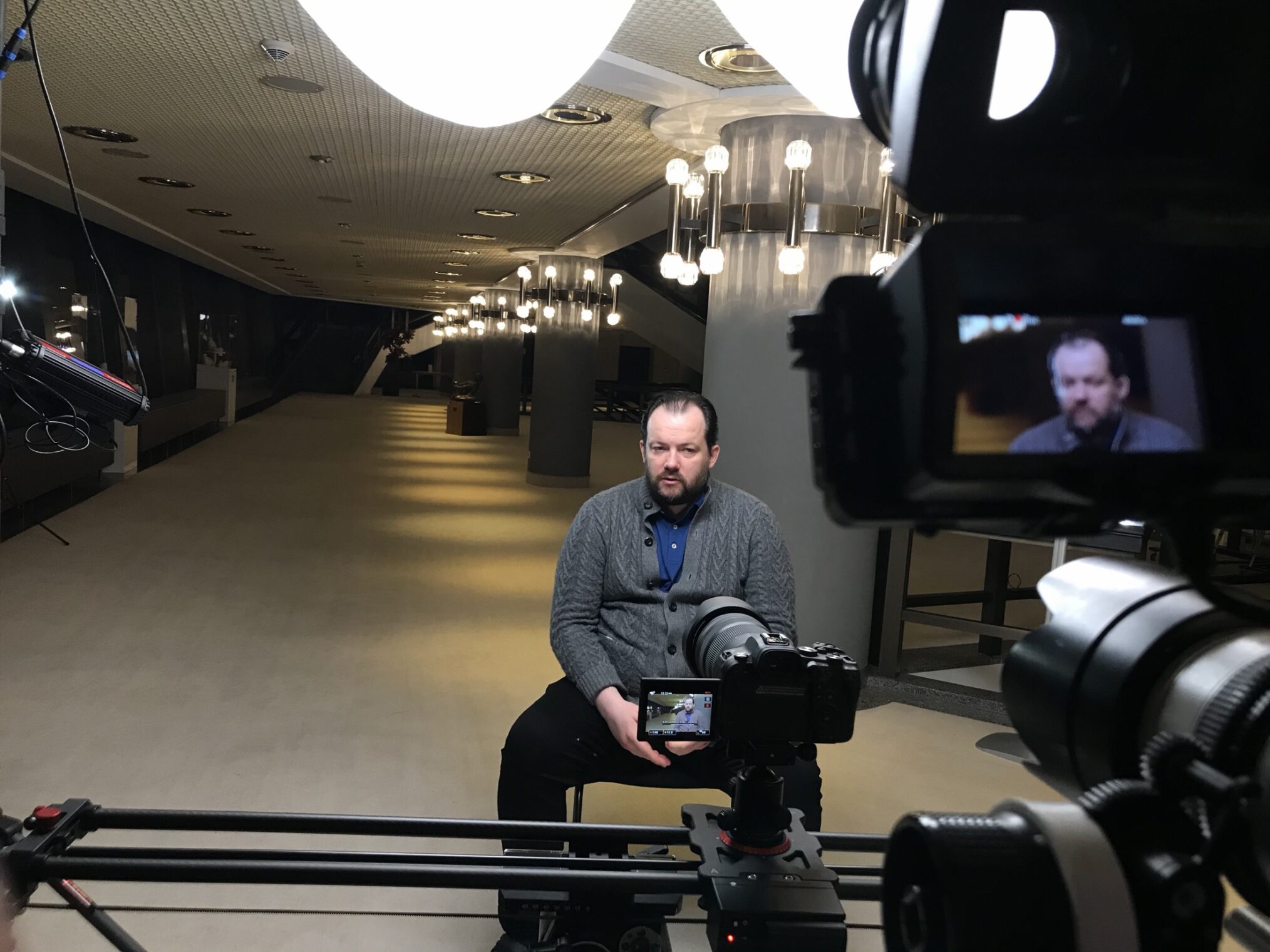
We follow in Mahler’s footsteps in Leipzig and film at authentic locations. With the help of animated photos, we bring life in the city of music during Mahler’s time back to life. We hear from Ricardo Chailly, who sparked a Mahler renaissance in Leipzig 10 years ago, we’ll speak with the current Gewandhaus music director, Andris, about Mahler; learn from the director of the Bach Archive, Prof. Peter Wollny, how Mahler brought Bach to New York; and hear from his biographers about Mahler the man.
We’ll listen to Mahler’s interpretation of the soprano solo from his Symphony No. 4, “The Heavenly Life,” played on a self-playing Welte grand piano at the Elstertrebnitz Iron Mill, and make stops in Vienna and New York.