- Screenplay: Anna Schmidt
- Director: Anna Schmidt
- Camera: Stephan Boerger, Ilko Eichelmann, Dietmar Heger
- Sound: Robert Kurz
- Editing: Mario Biehl
- Broadcast date: 2014
Biographies: Carl Philipp Emanuel Bach
A FILM BY ANNA SCHMIDT
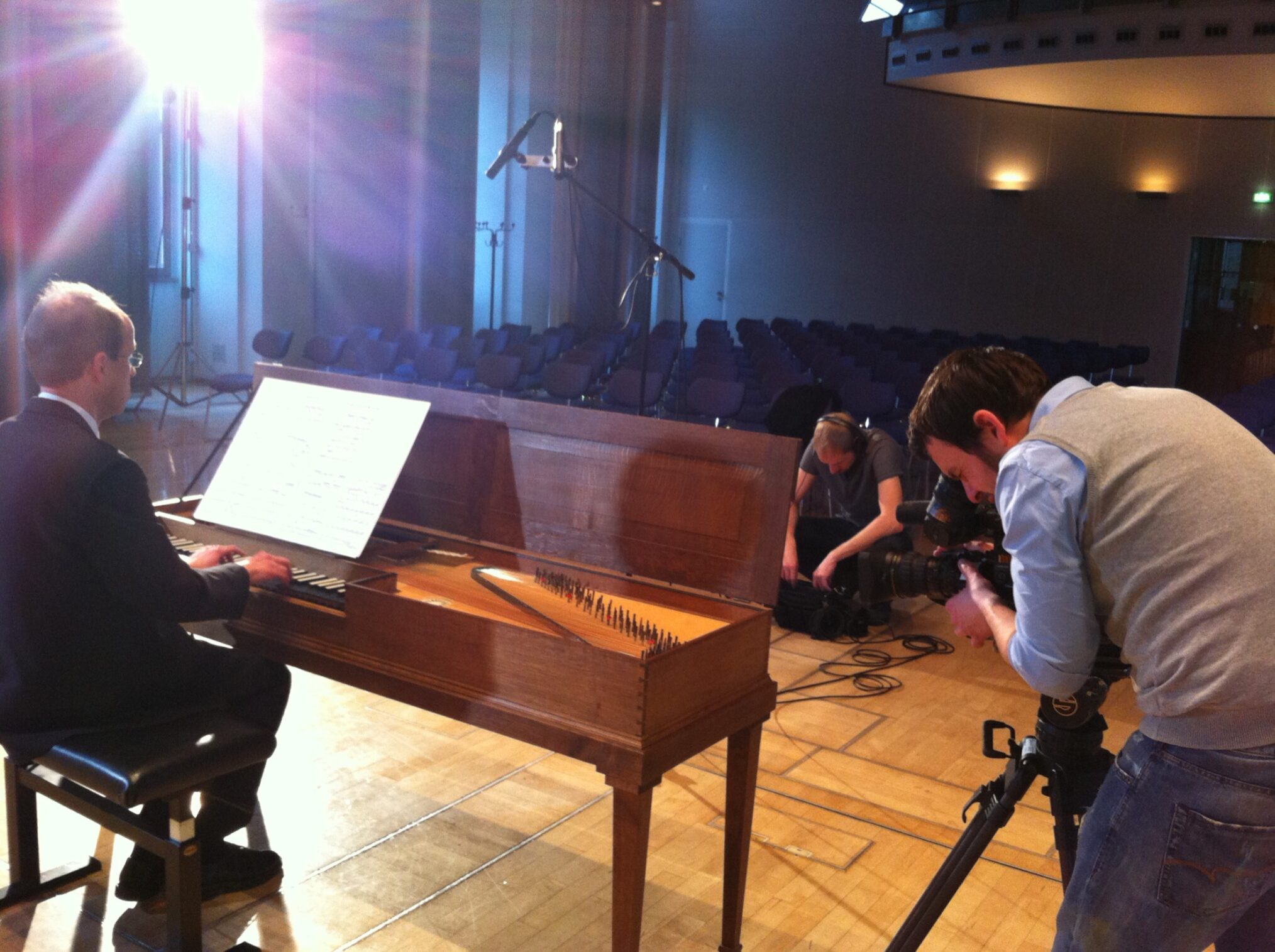
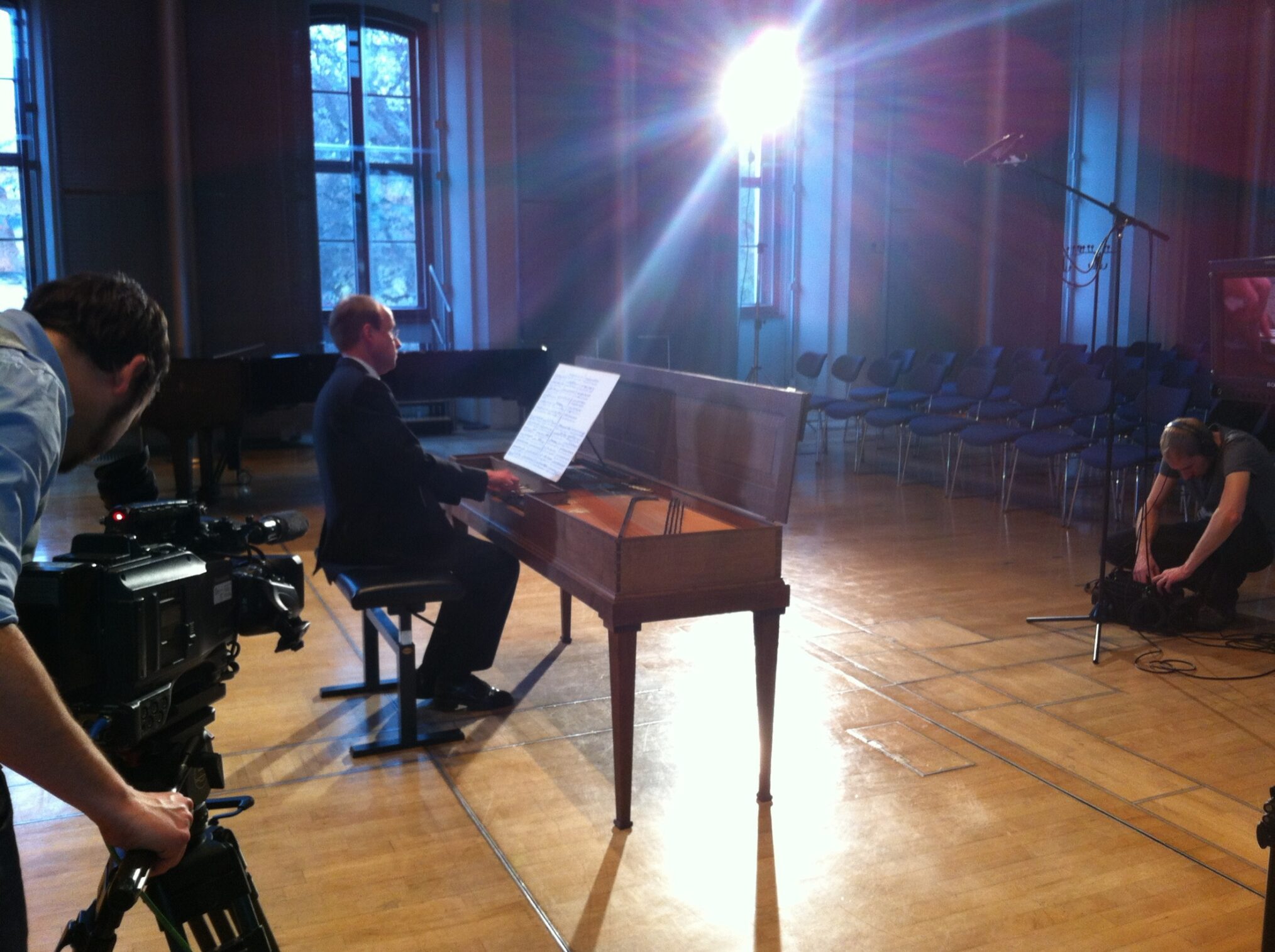
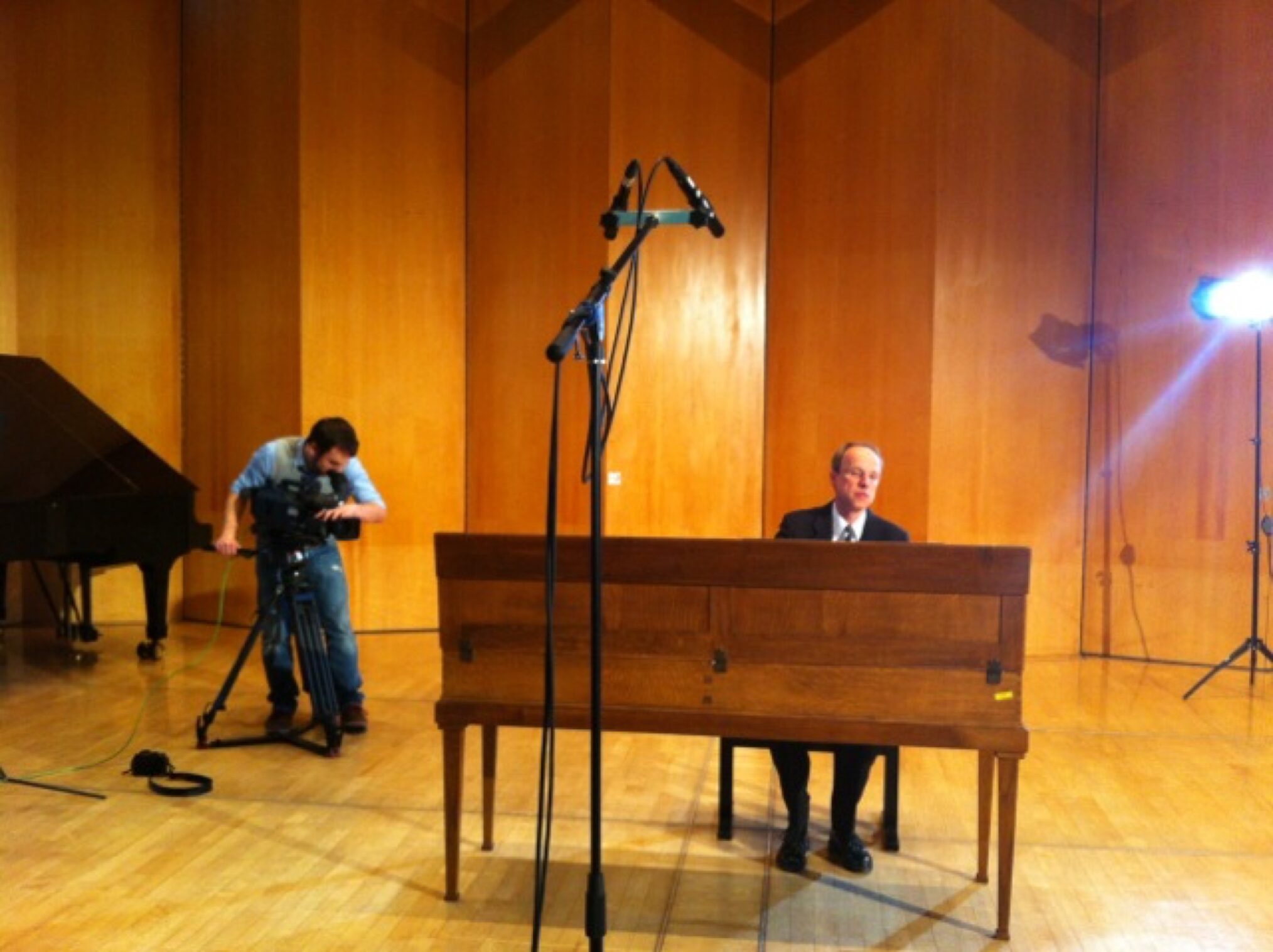
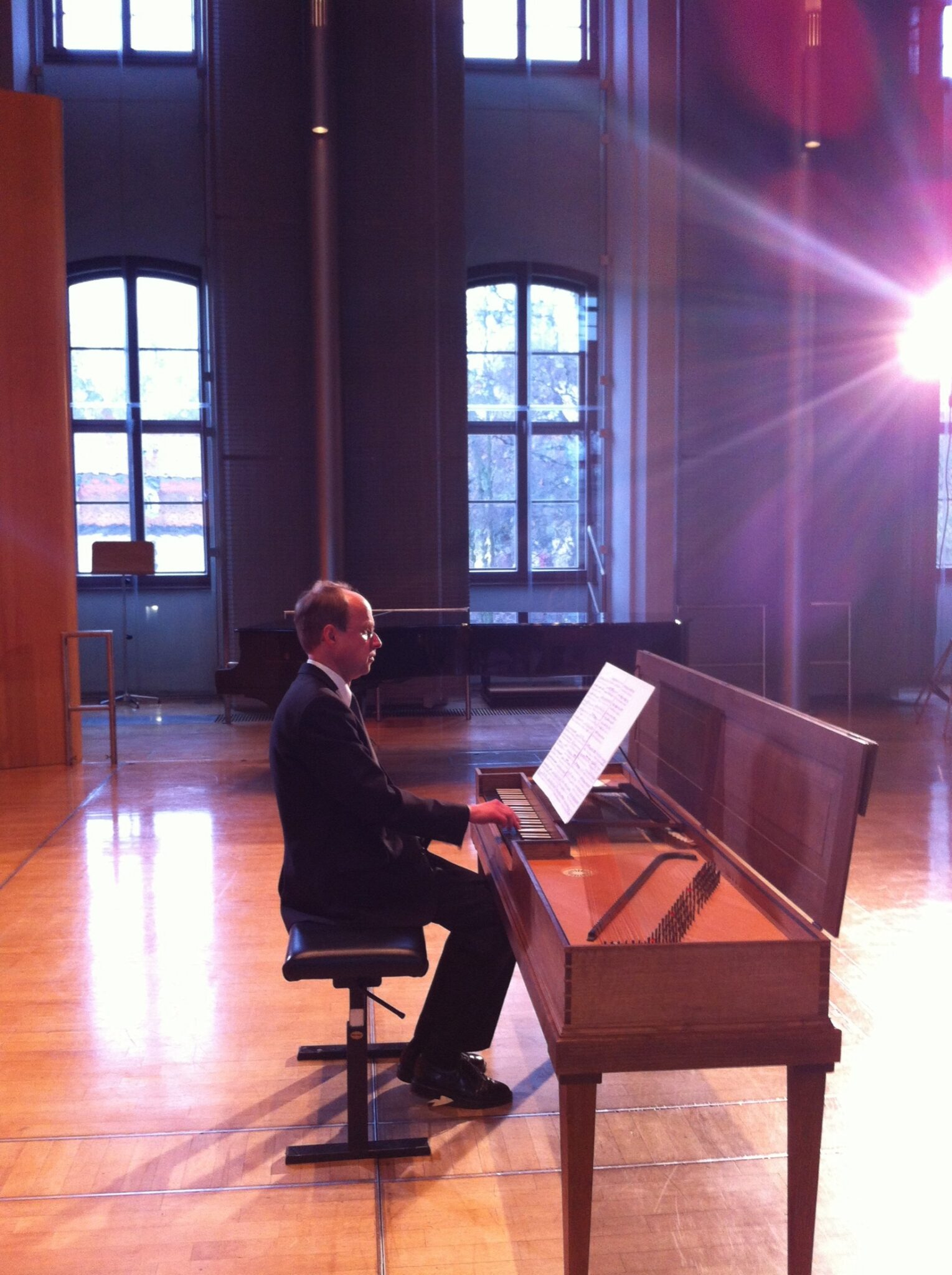
When Bach is mentioned today, one instinctively thinks of Johann Sebastian. 250 years ago that was different. When Mozart said, “He is the father, we are the boys. Whoever among us can do anything worthwhile learned it from him,” he was not speaking of Johann Sebastian but of his second-eldest son Carl Philipp Emanuel, whose 300th birthday we were able to celebrate in 2014.
He was born in Weimar in 1714. He spent his youth in Köthen and Leipzig, where he also ventured his first compositions. He was taught exclusively by his father, so it is no surprise that Carl Philipp Emanuel was soon regarded as one of the most brilliant keyboard virtuosos of his time, as a composer who shaped the style of his age and an astute theorist – in short, as a master of European rank. As harpsichordist at the court of Frederick II, where he served for more than 30 years, he made a name for himself far beyond Germany’s borders. He revolutionised musical language by bringing a maximum of feeling and sensibility into music in order to “move the listener to passion”. In this way he became a model for the Viennese classics Haydn, Mozart and Beethoven and shaped a new spirit of the age. On the art market he proved to be a clever businessman who set standards in self-marketing. The portrait collection of the “Berlin Bach”, with more than 400 pictures of the VIPs of his time, including his own portrait, also caused a sensation. It is no wonder that he was one of the first musicians to see himself as a literary subject – the result was his autobiography, written fifteen years before his death. Carl Philipp Emanuel Bach died in 1788 – highly esteemed – in Hamburg, where he had worked as music director for 20 years.