- Screenplay/director: Anna Schmidt
- Camera: Stephan Boerger, Tilo Holzapfel, Axel Funke
- Sound: Harry Viol, René Jugold
- Editing: Tom Chapman
Biographies: Benno Pludra, Poet of Children
A FILM BY ANNA SCHMIDT
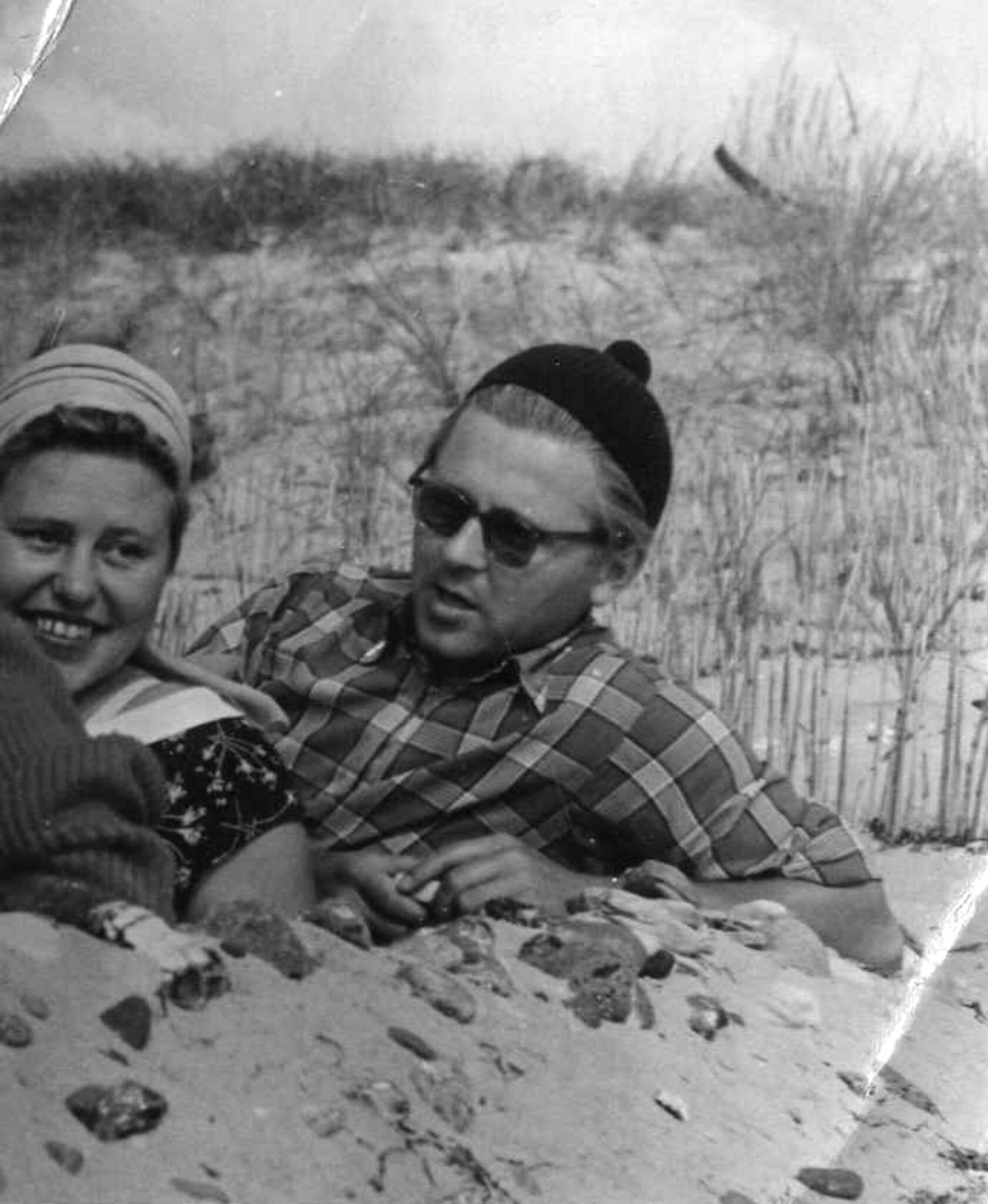
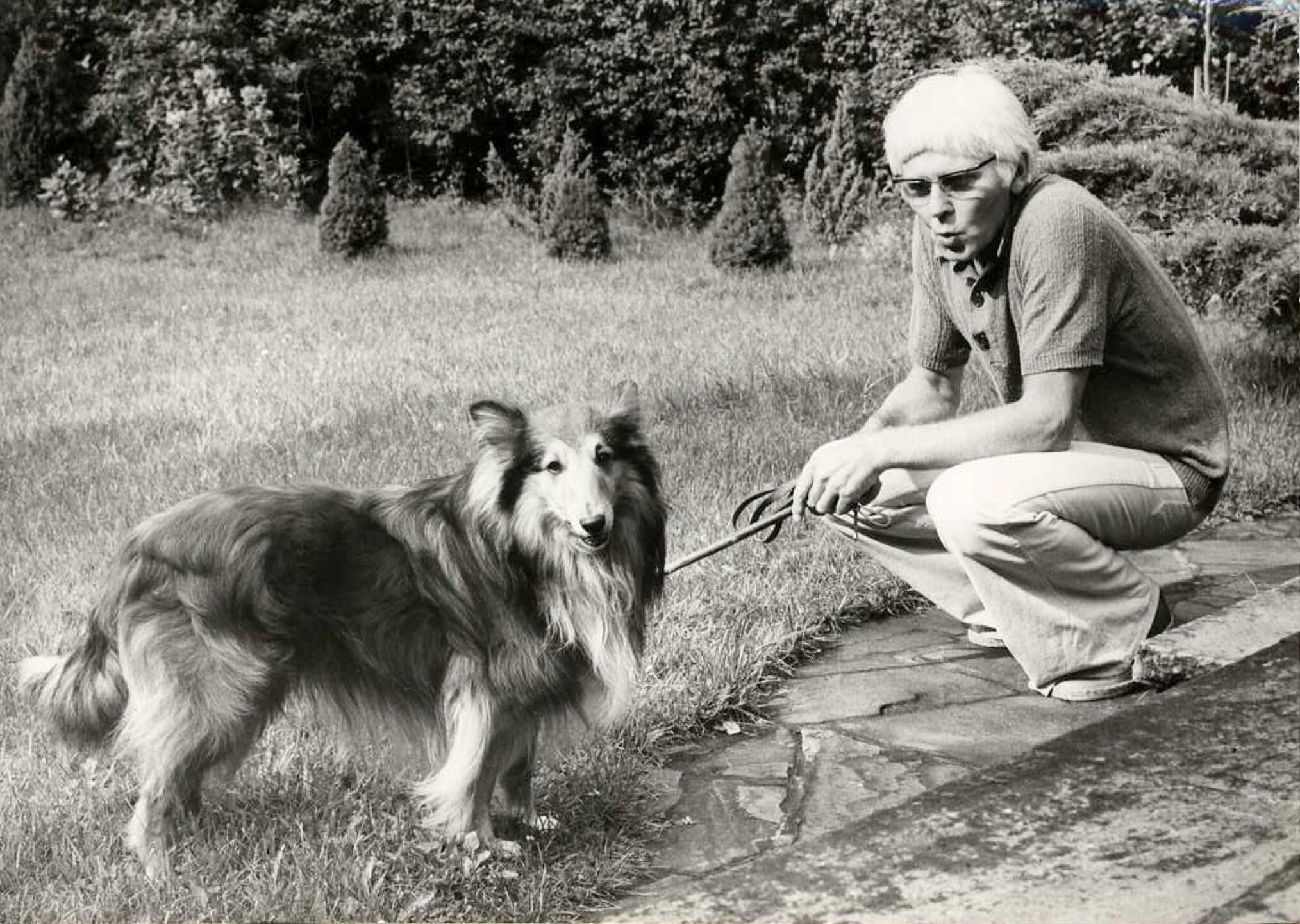
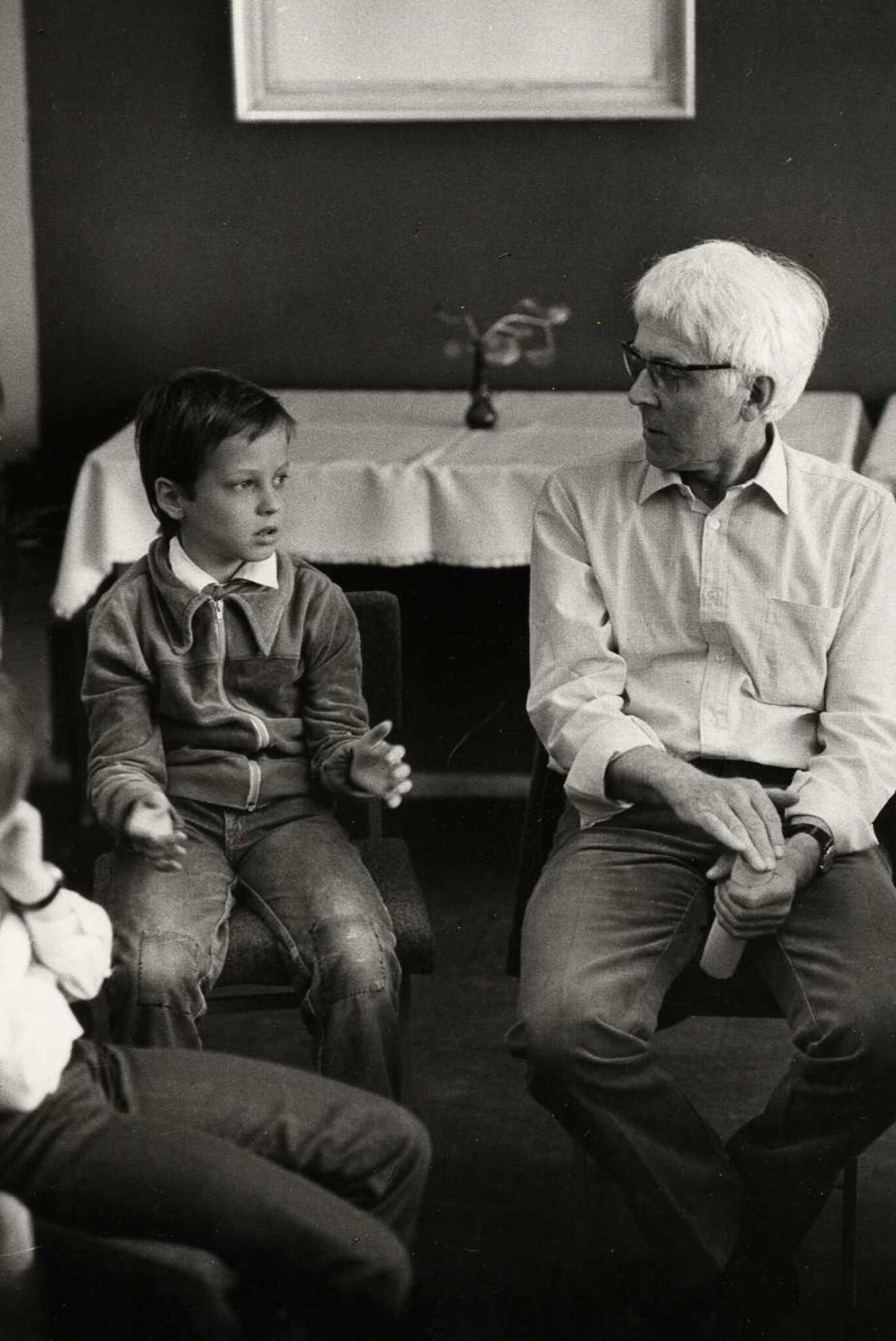
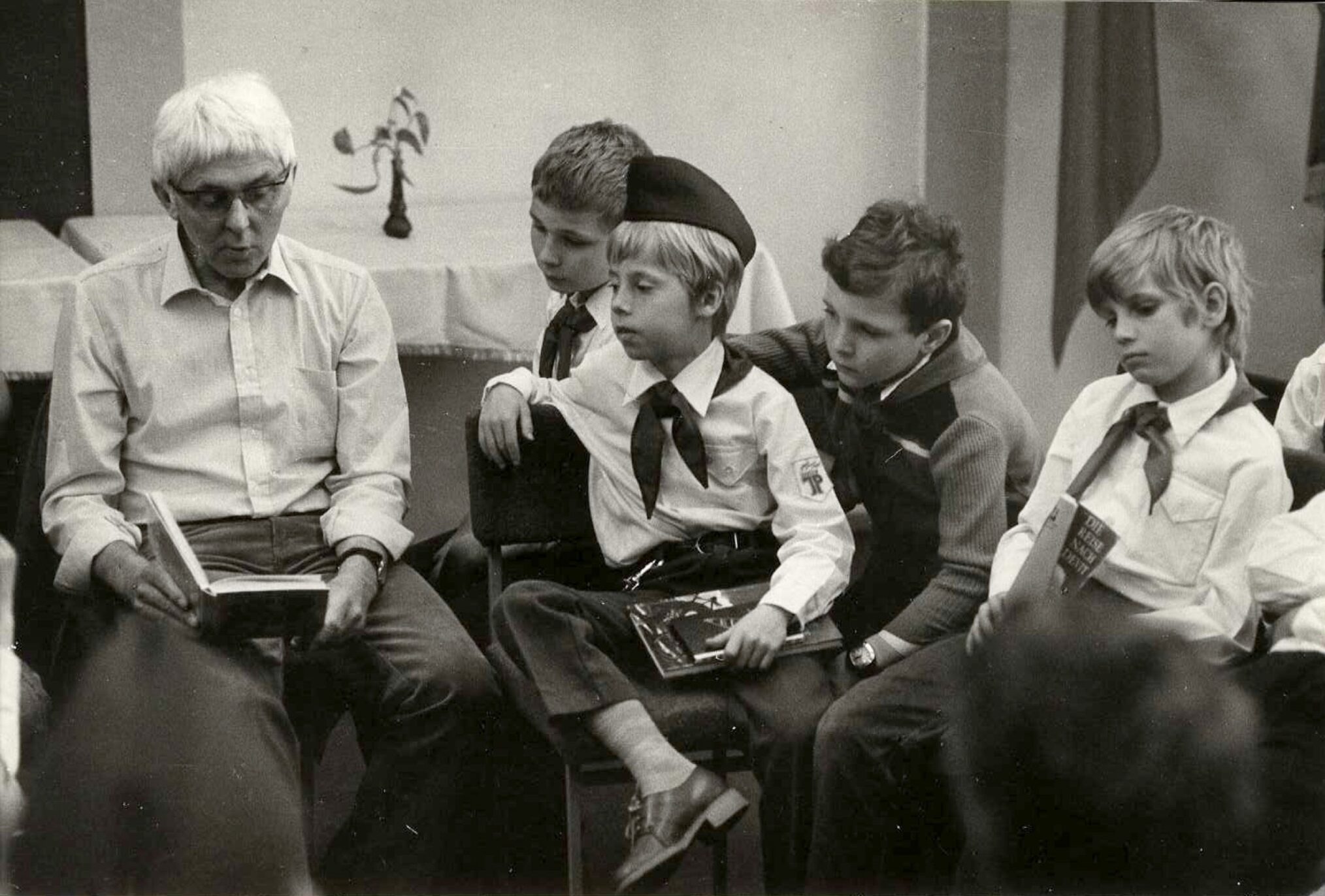
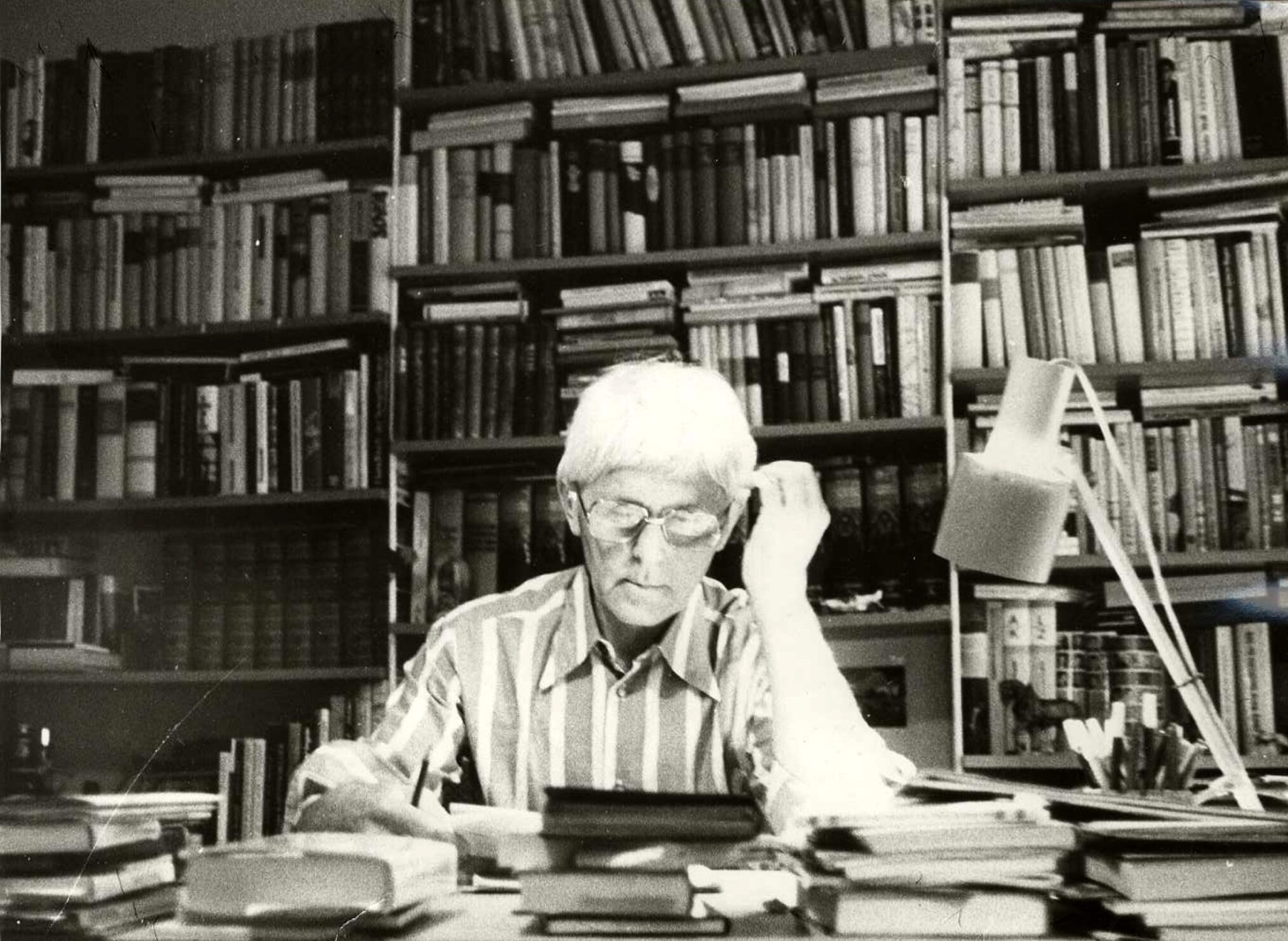
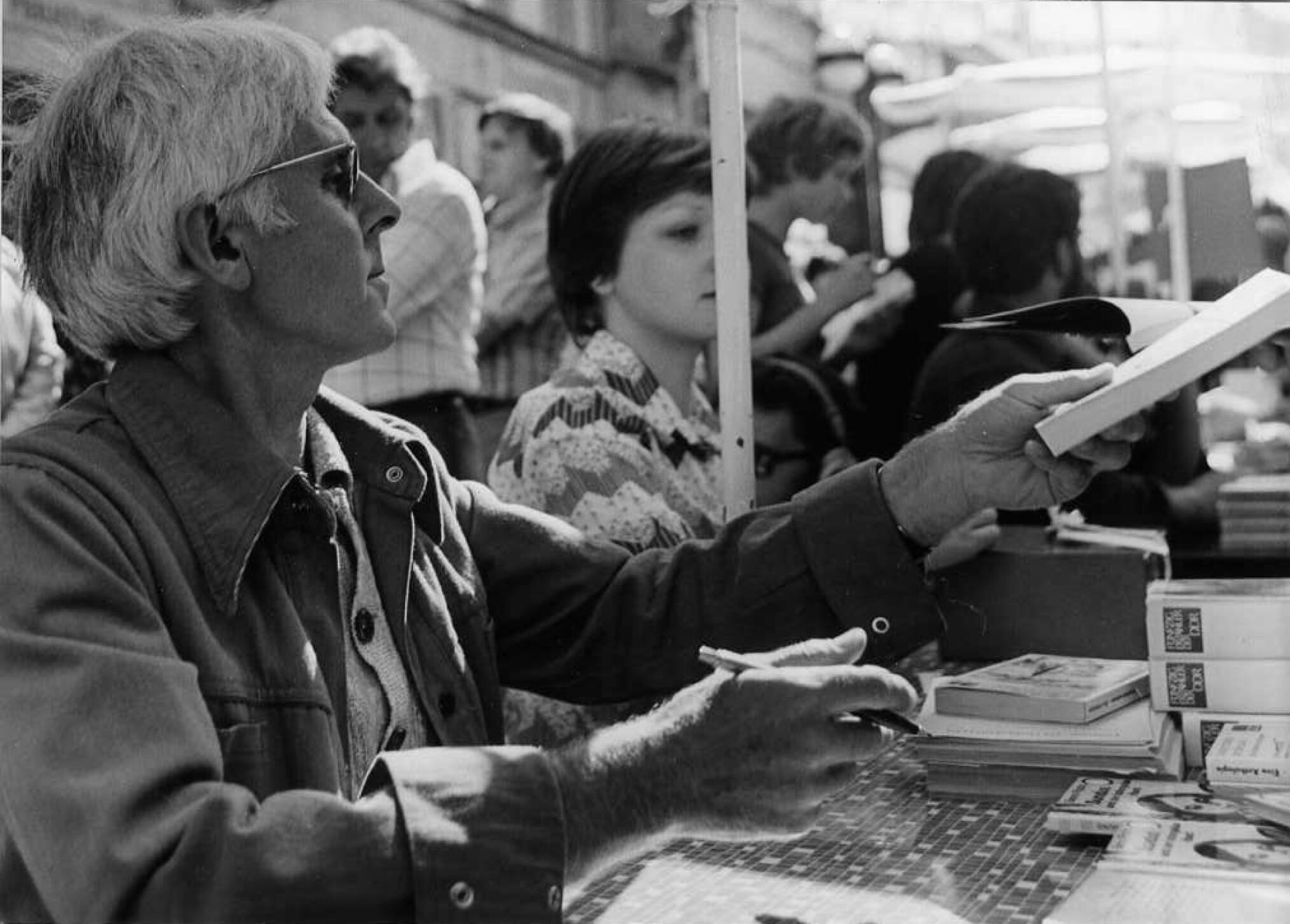
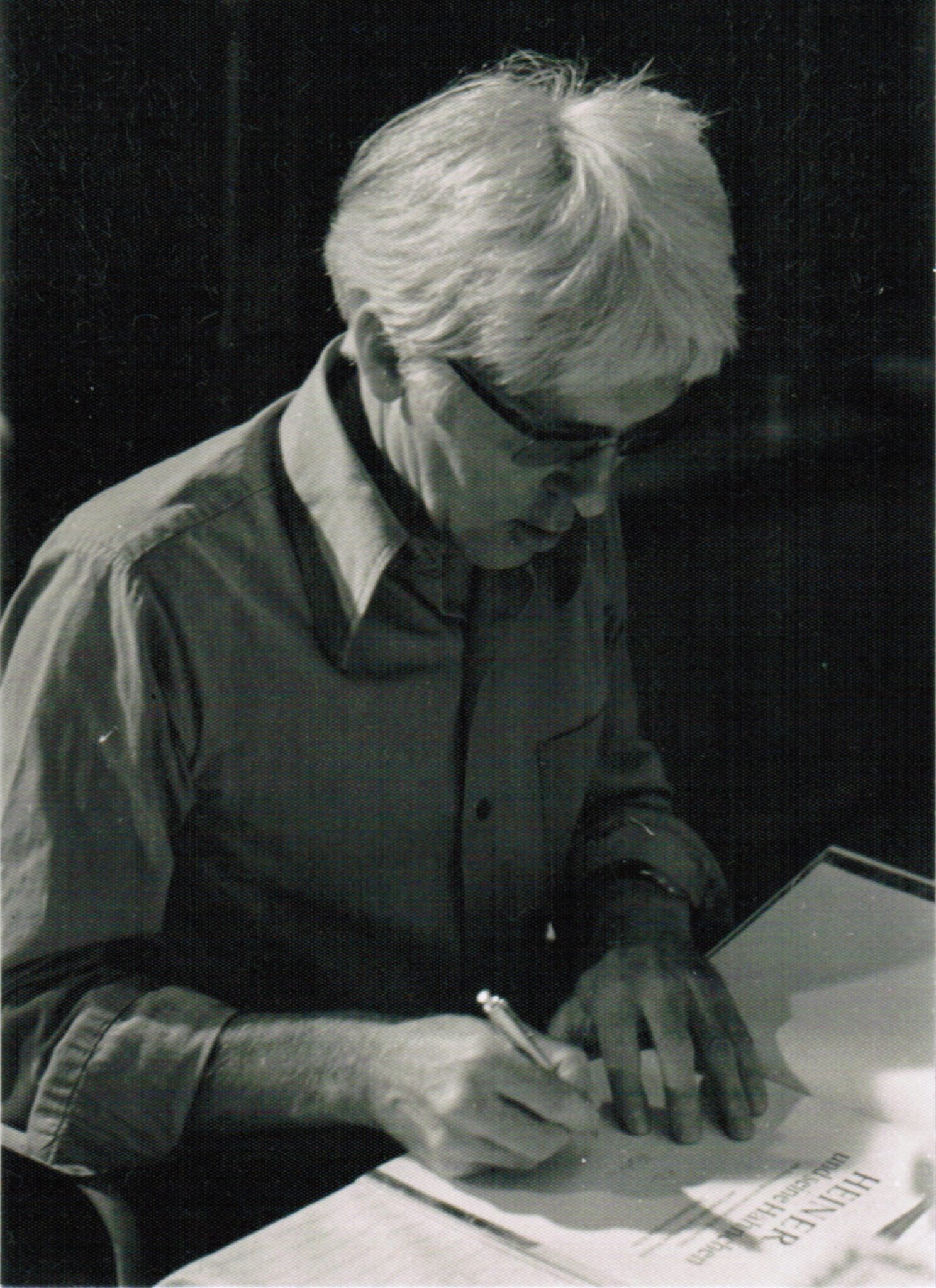
For more than 60 years Benno Pludra was an unmistakable voice in German and international children’s and young adult literature. With his novel “Tambari” he wrote himself into the rank of a classic in 1969. Like no other, his work represents the children’s and young adult literature of the GDR from its very beginnings.
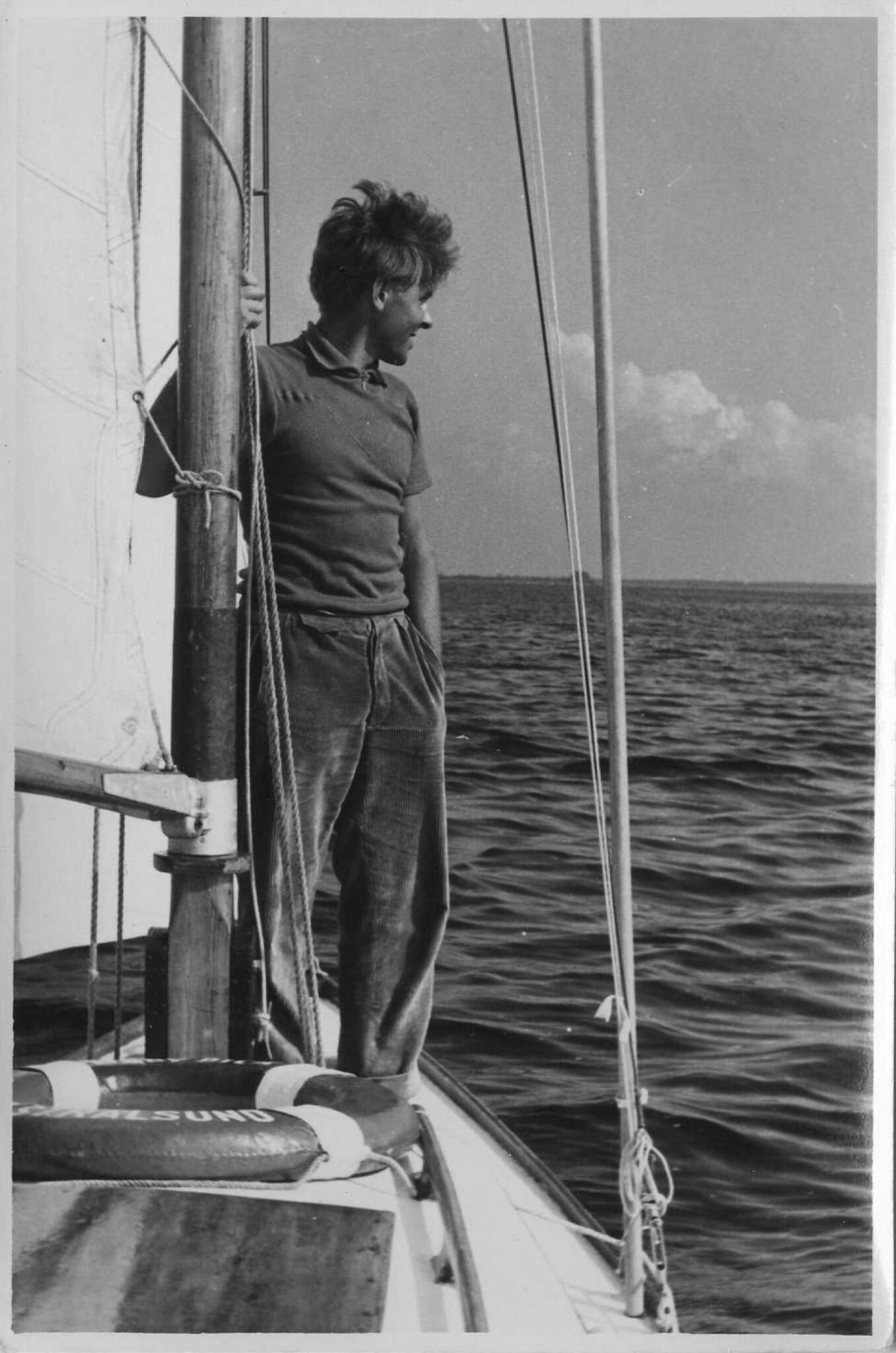
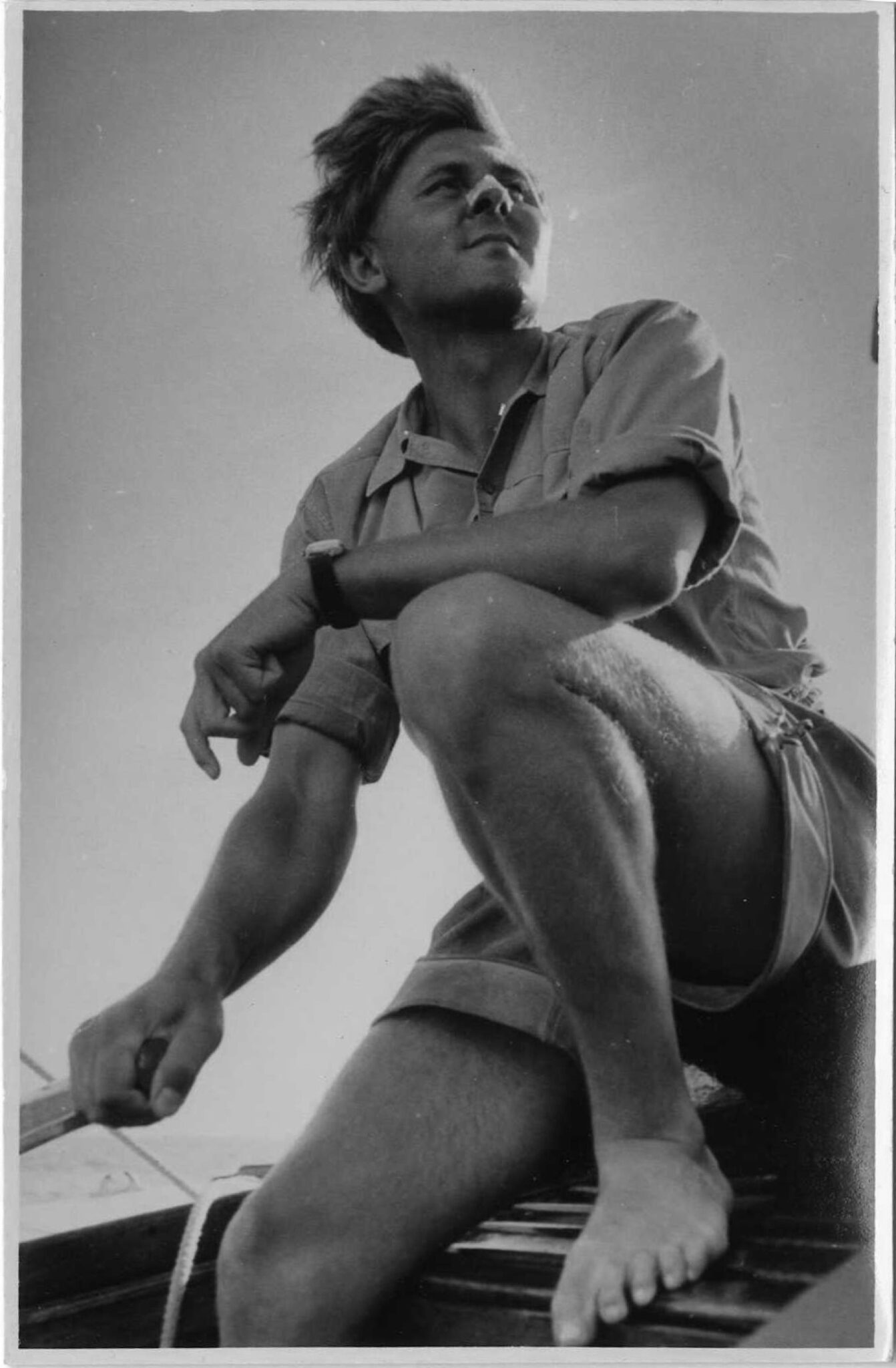
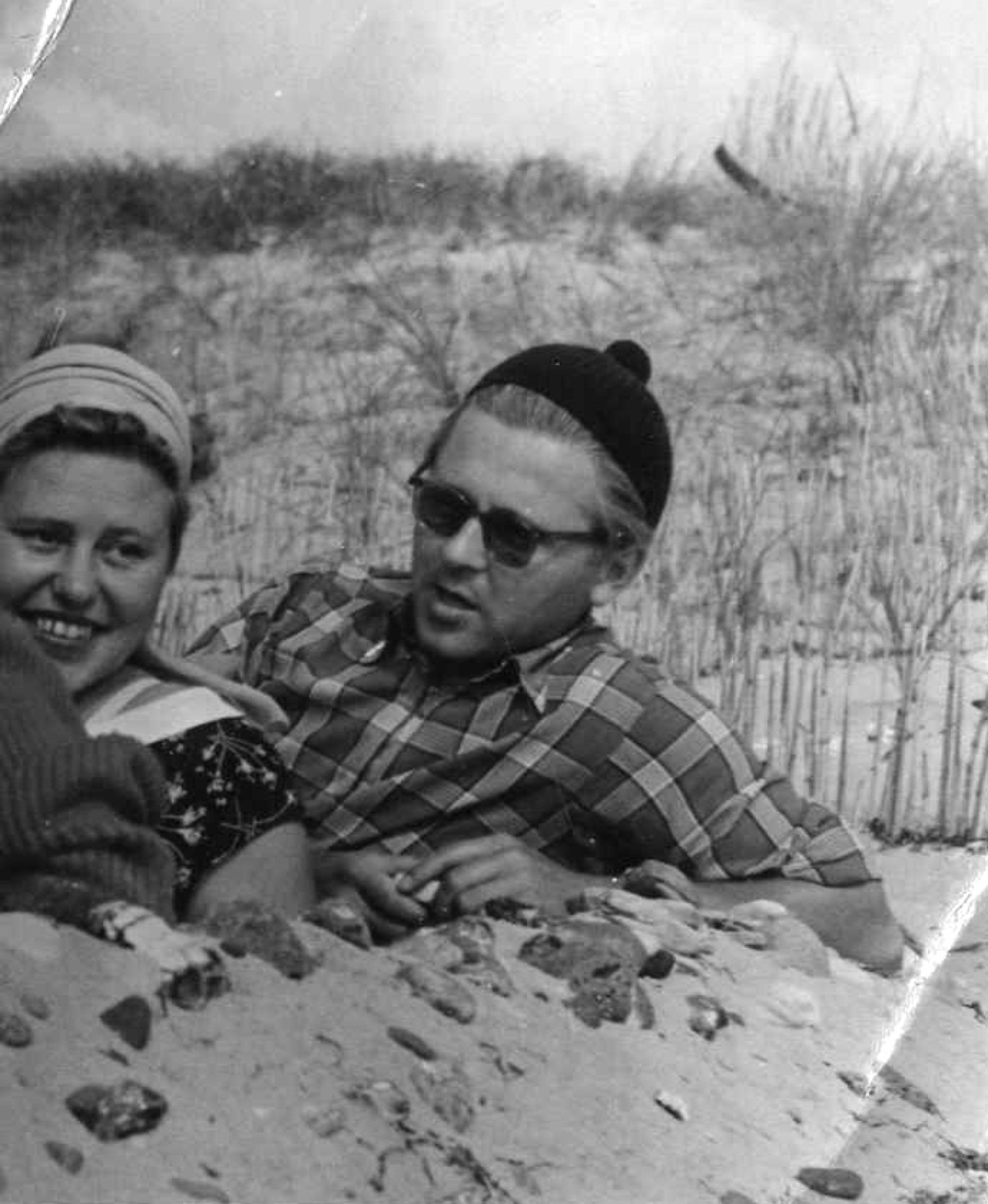
The young Benno Pludra, born in 1925, went to Hamburg at the age of seventeen and trained as a sailor. In 1944 he narrowly escaped death when his ship was torpedoed by Norwegian partisans. Afterwards he turned his back on seafaring. He moved back in with his parents, who had been billeted in a villa near Riesa. The house held an extensive library of Russian and American literature. Pludra devoured book after book and had only one dream: he wanted to write himself. When he won a competition to promote socialist children’s literature, he decided to try his hand as a freelance writer. With success. Every year a new book of his appeared. Pludra achieved his breakthrough in 1963 with “Lütt Matten und die weiße Muschel”, which was filmed by DEFA just a year later. The settings of his stories are mostly by the sea; his sympathy belongs to the outsiders who dream of setting off for distant places. That did not always go down well with the GDR authorities. When his book “Insel der Schwäne” appeared in 1980, the SED’s cultural policy makers saw in it criticism of the concrete faces imposed on the cities under socialism. But Pludra was not deterred. He went on writing and was published in the West as well. Six of his books were adapted for the screen. He was also successful in reunified Germany and won the hearts of young readers.