Full Steam Ahead – The Comeback of Aken
A FILM BY ANNA SCHMIDT
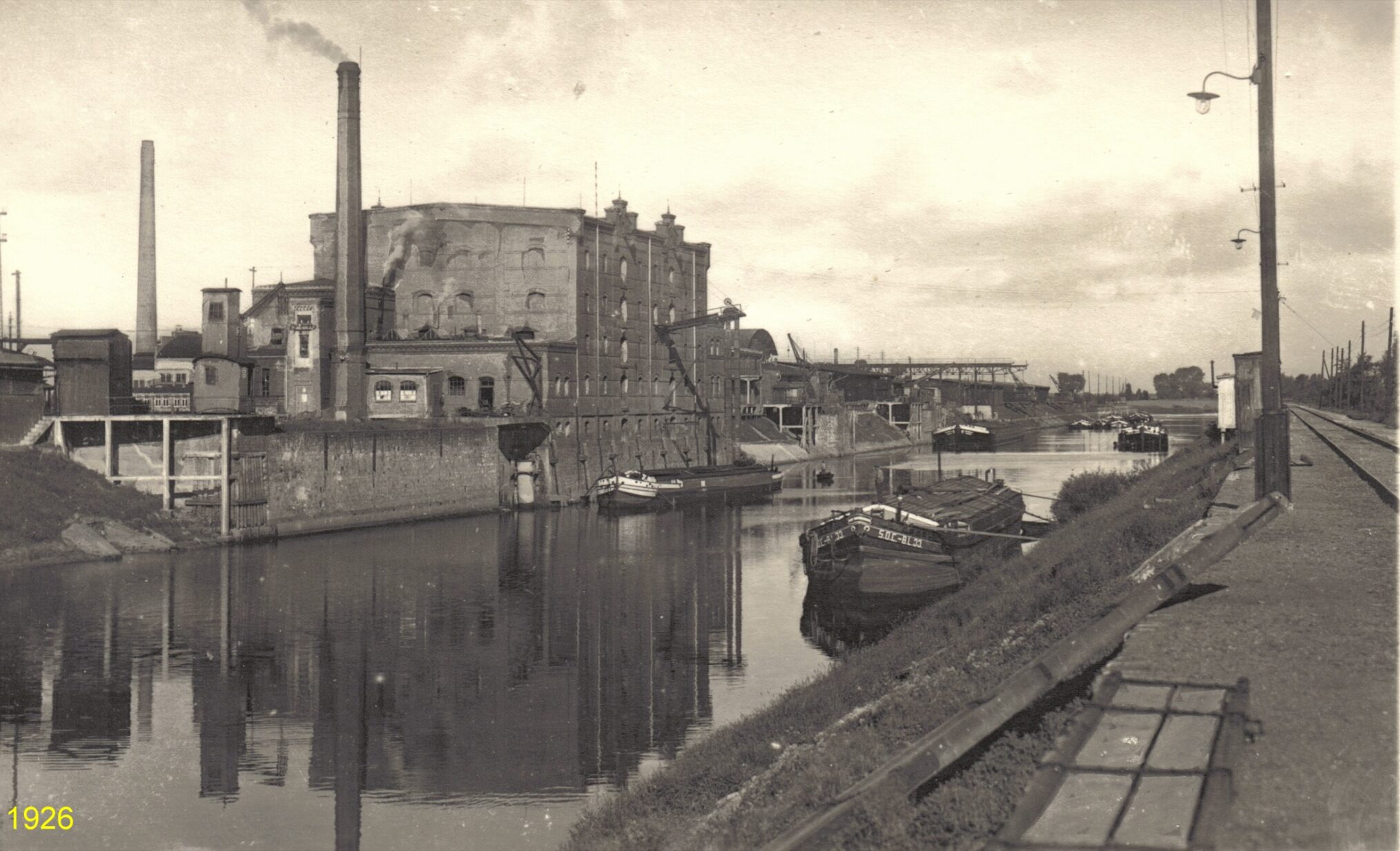
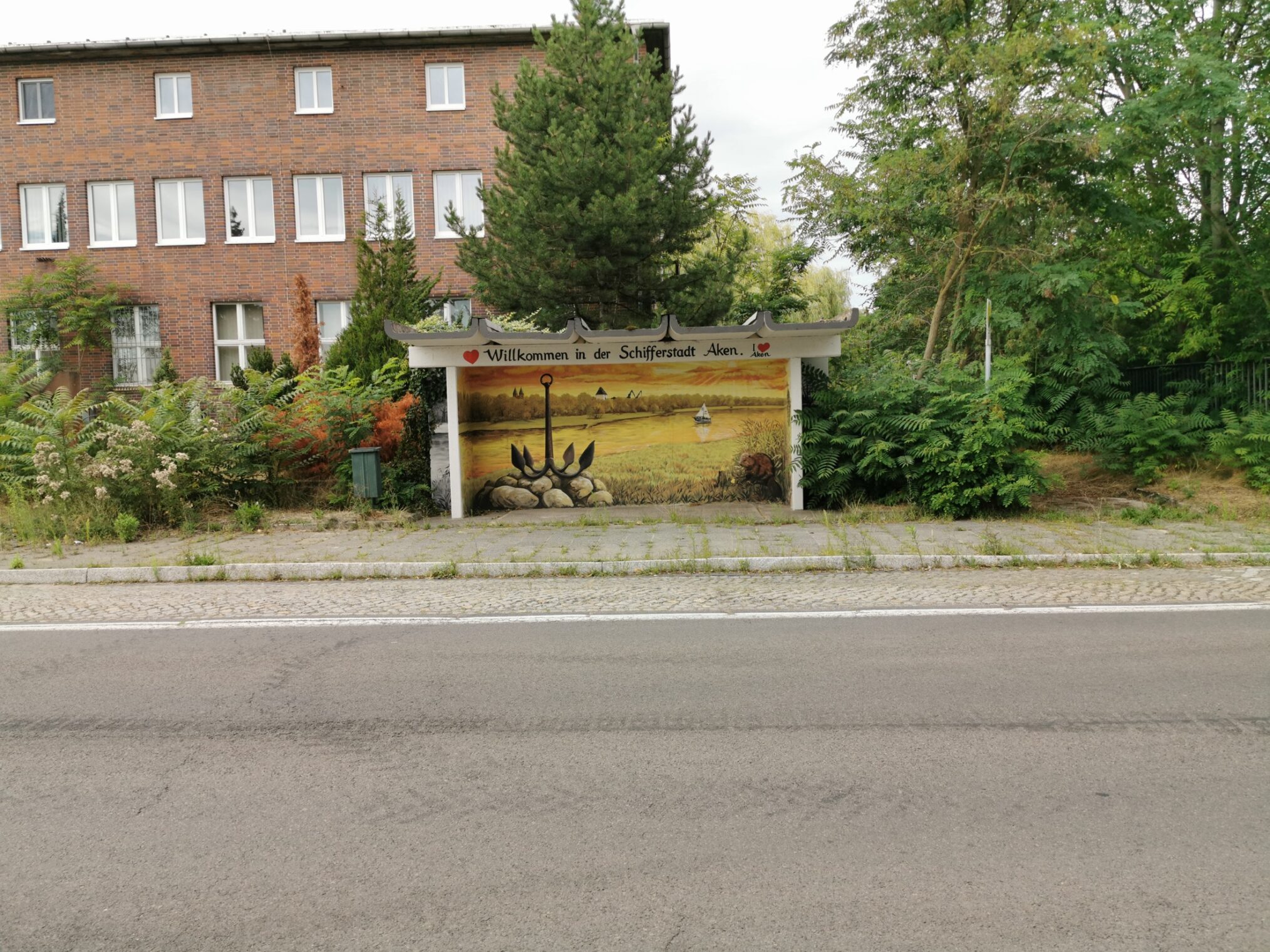
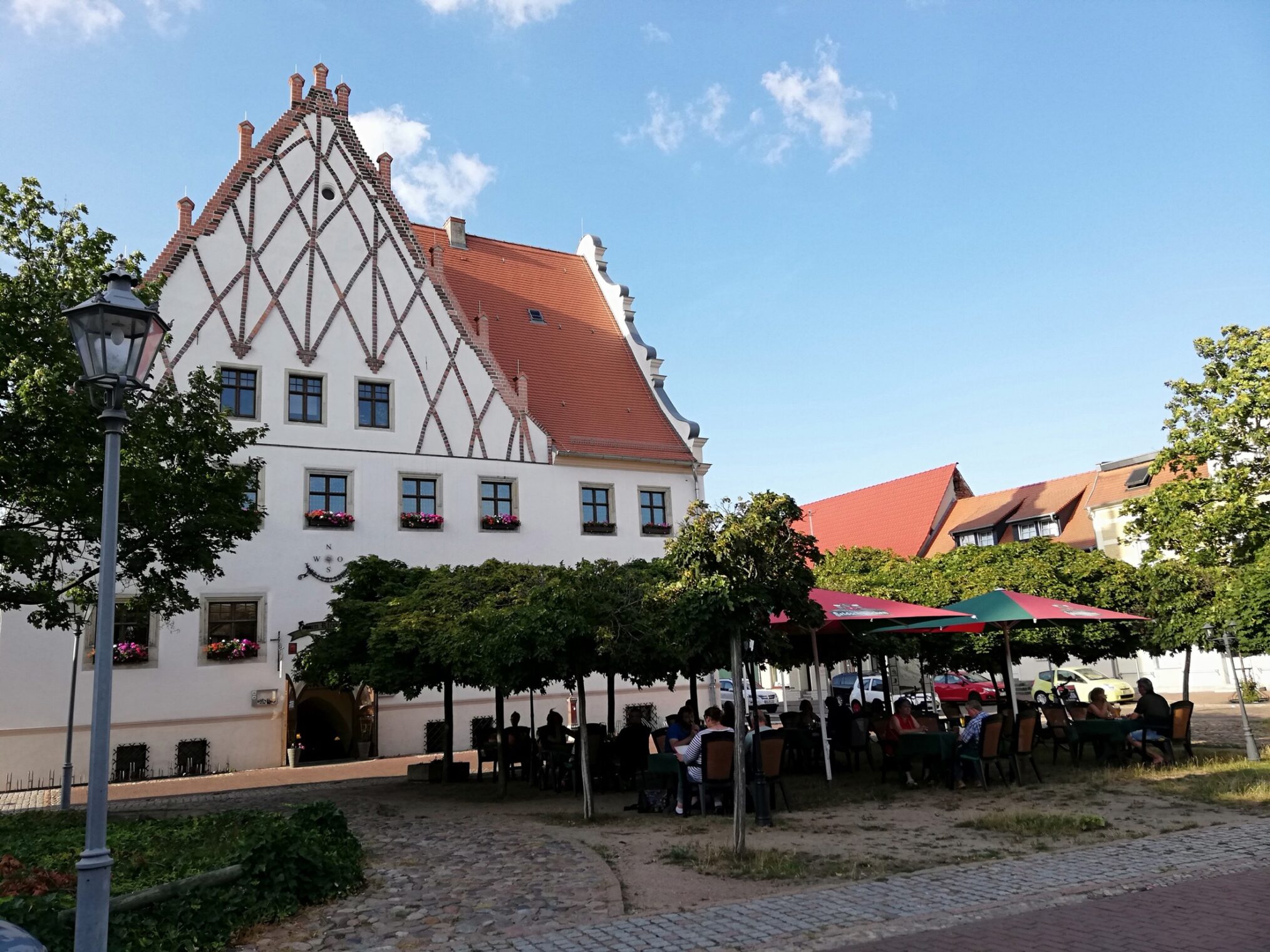
“Where the Elbe makes a bend, there lies Aken,” says a local proverb. Most Germans have probably never heard of the small town on the banks of the Elbe between Magdeburg and Dessau. Yet Aken has much to offer: an idyllic location in the middle of the Middle Elbe Biosphere Reserve, the medieval old town in a grid pattern with playful skipper’s houses—and an inland port that is one of the most important in Central Germany.
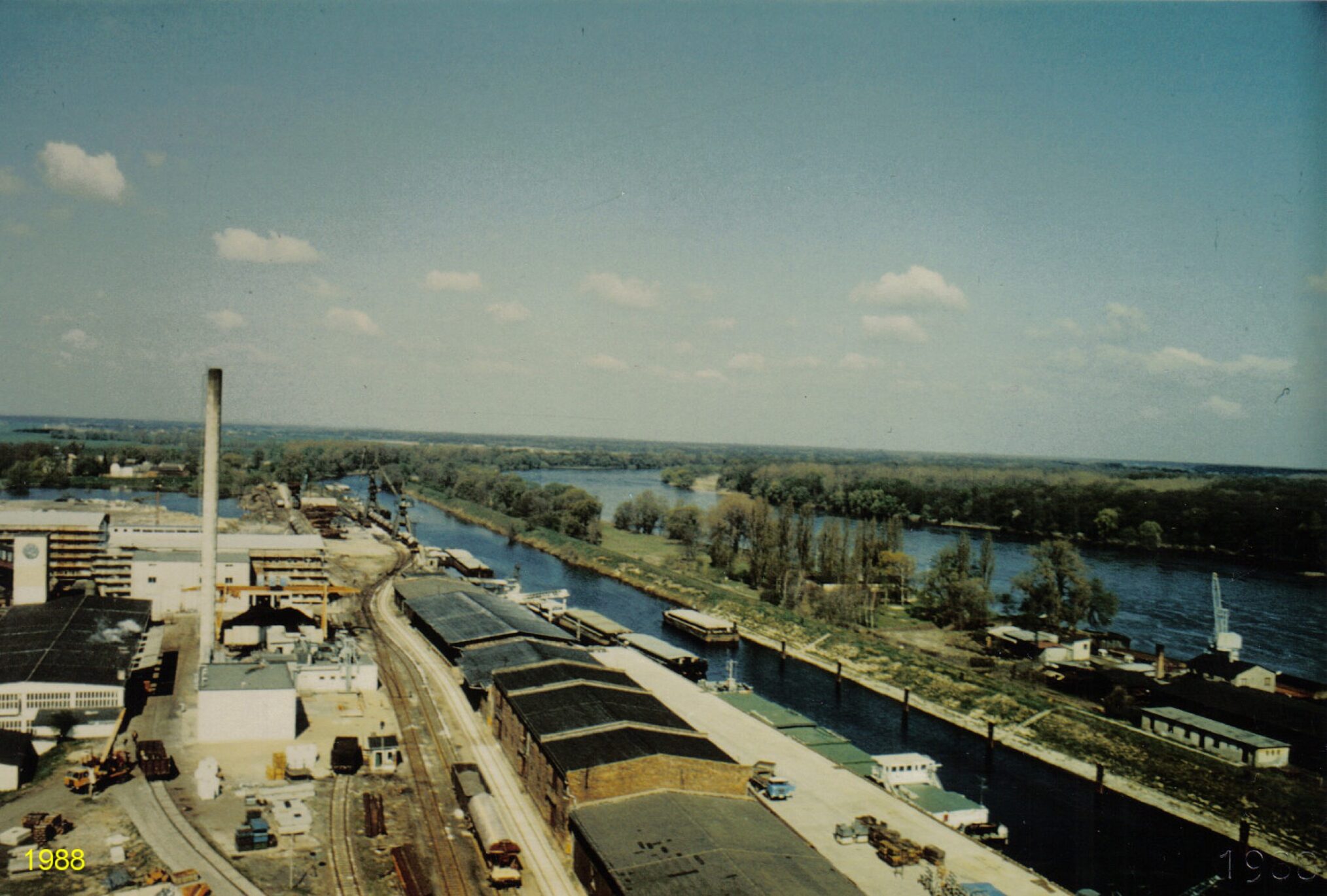
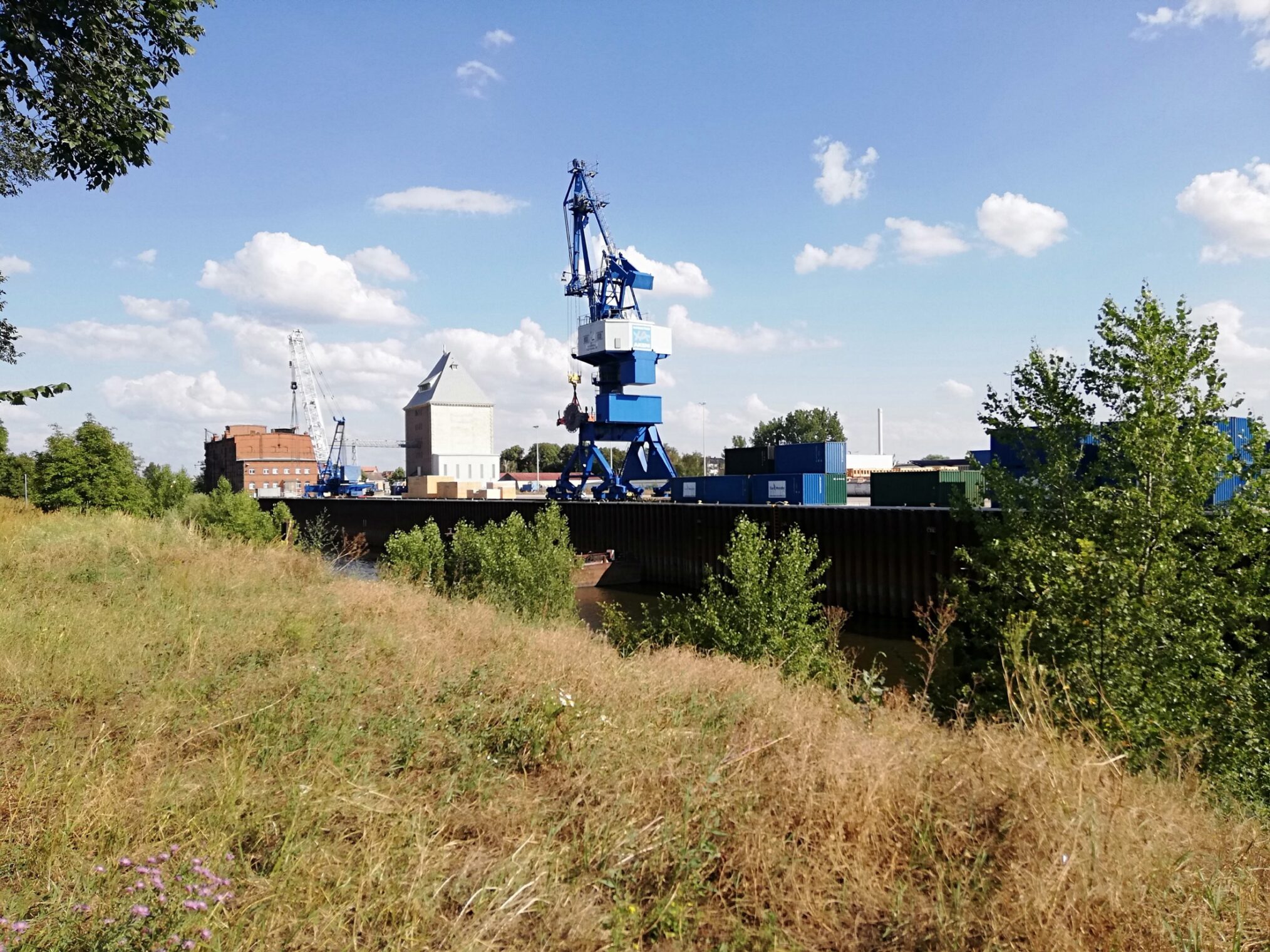
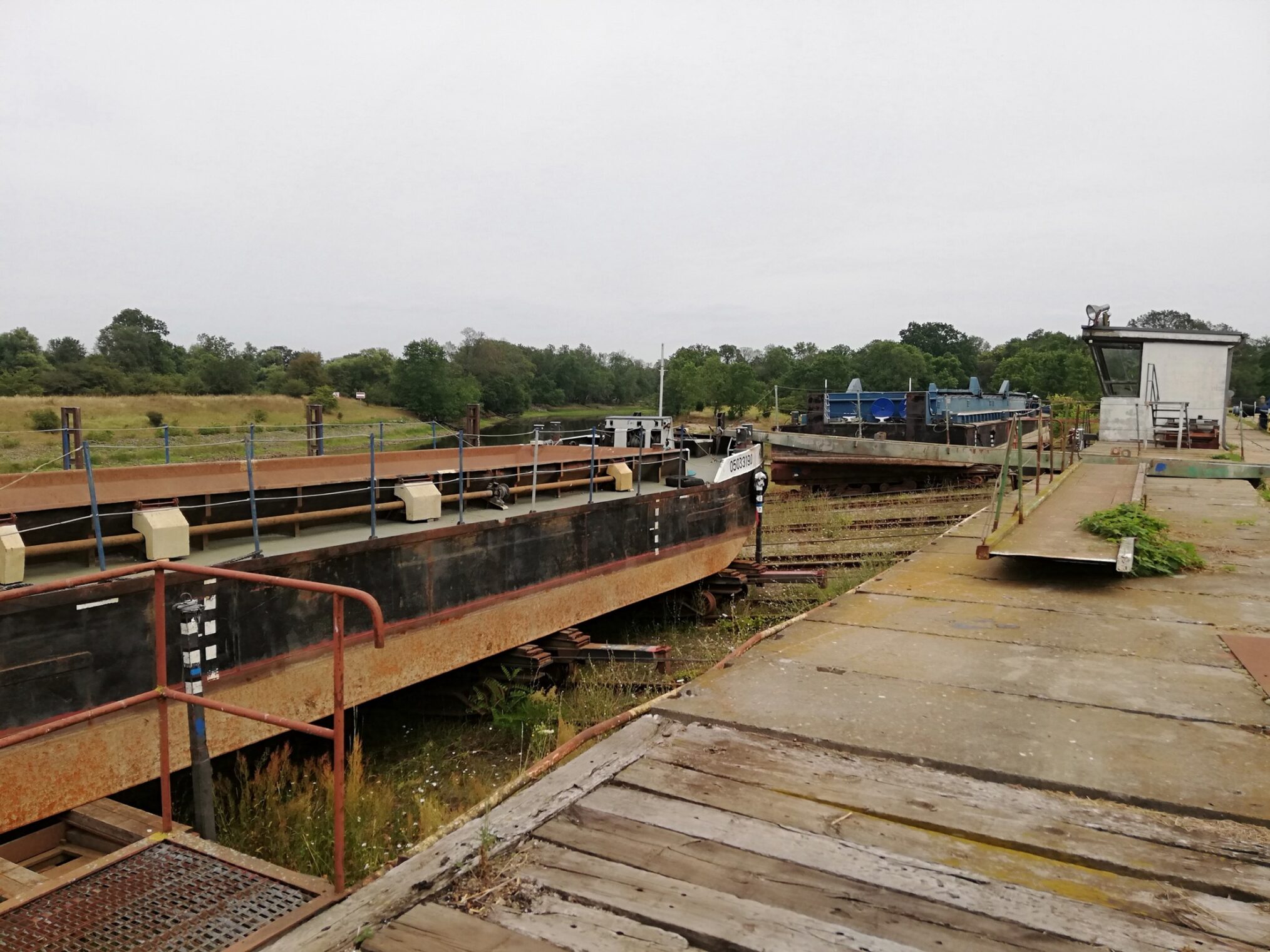
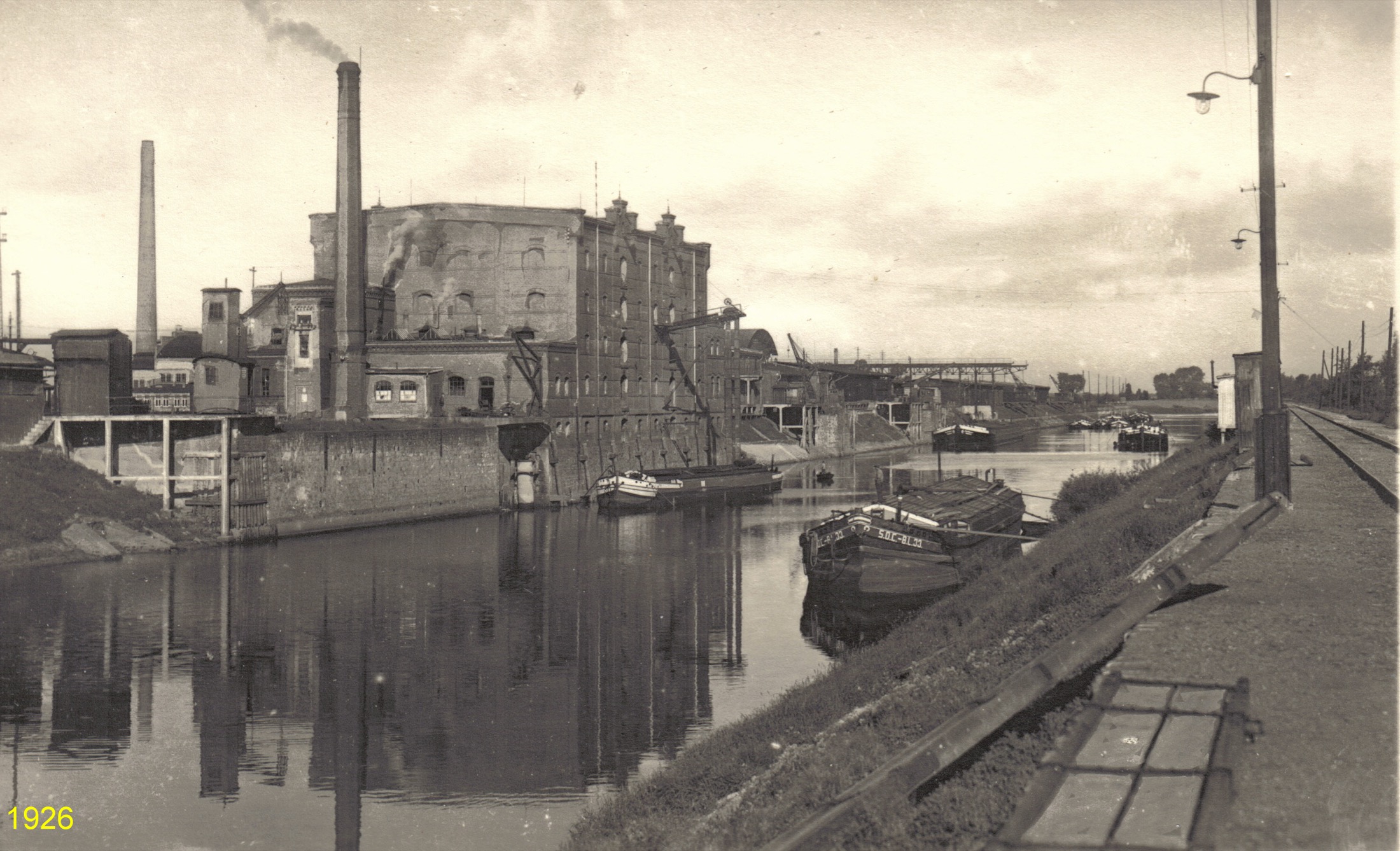
“We handle 300,000 tons every year. The entire facility is in good shape. We don’t have as much catching up to do as other ports. If we compare the number of employees at the ports in Magdeburg and Saxony, we have a better ratio,” proudly states port manager Peter Ziegler, who has been with the company for exactly 50 years and has witnessed the highs and lows on the Elbe. Aken Port is accessible by rail, road, and water.
Former mayor Hansjochen Müller successfully reclaimed the port for the city of Aken after the reunification, leveraging old restitution claims. “That was a lot of work that sometimes made me break a sweat. In the first few years after reunification, we worked 16 to 18 hours a day; I only went home to sleep.” For 15 years now, the port has consistently been in the black.
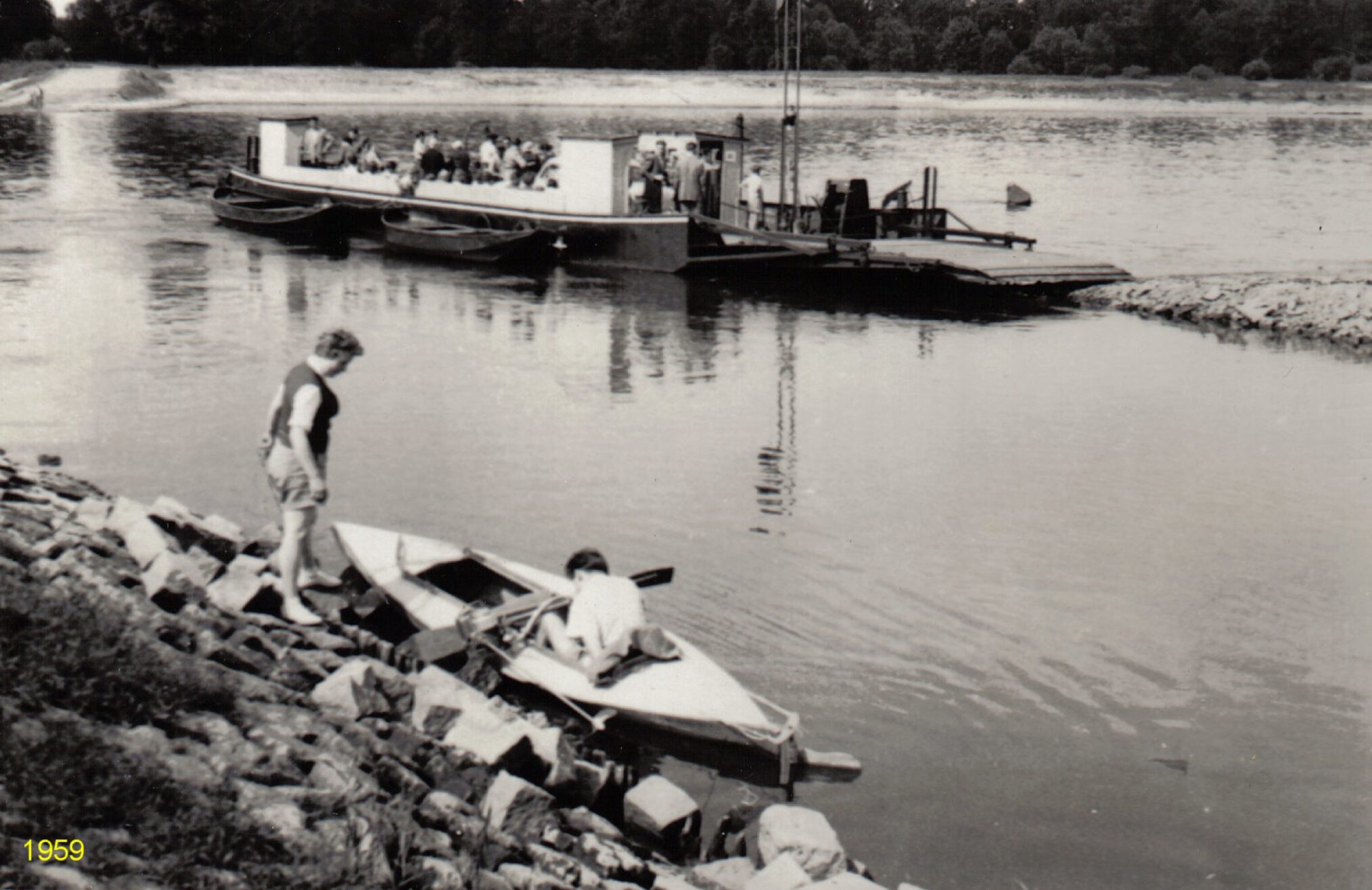
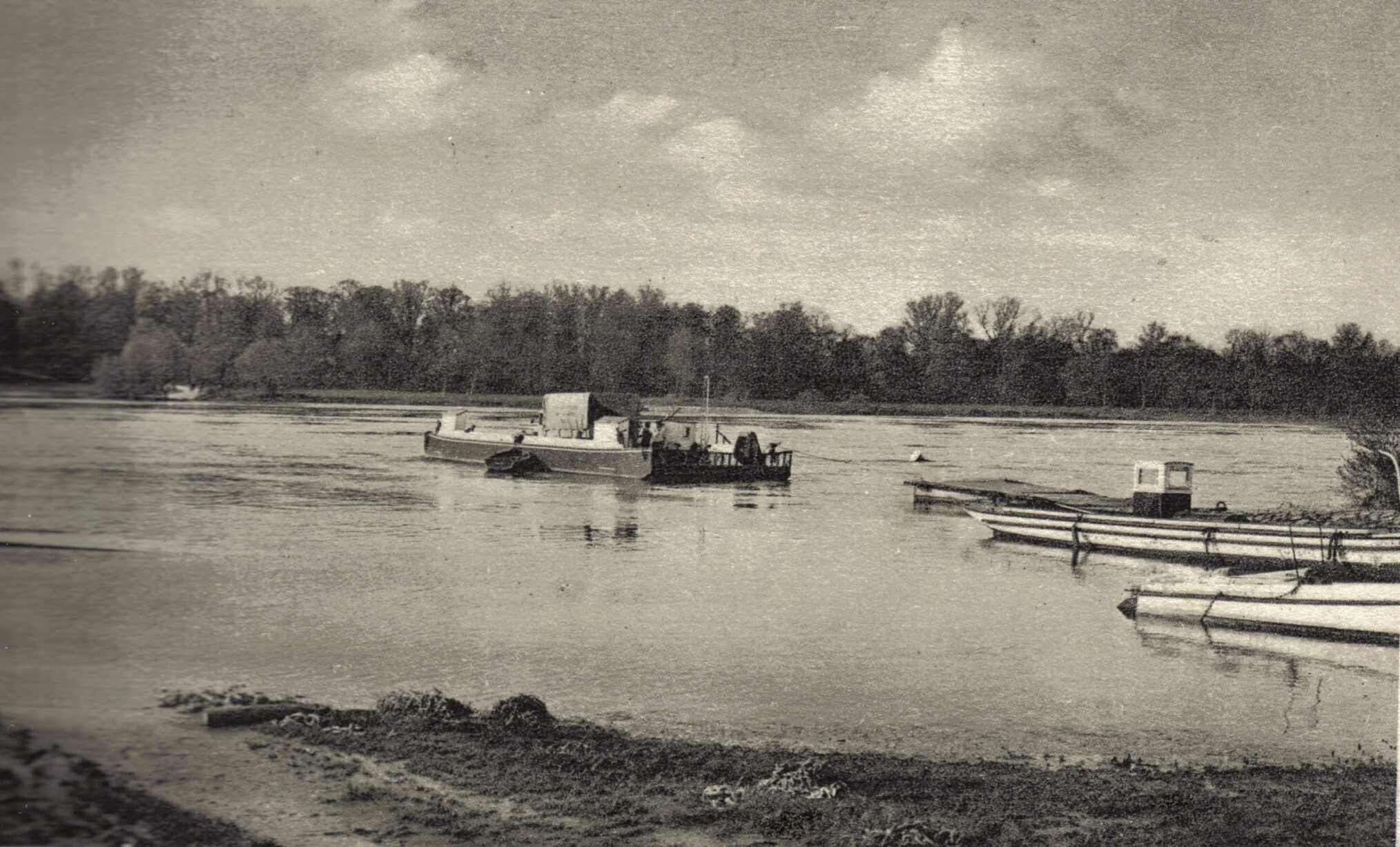
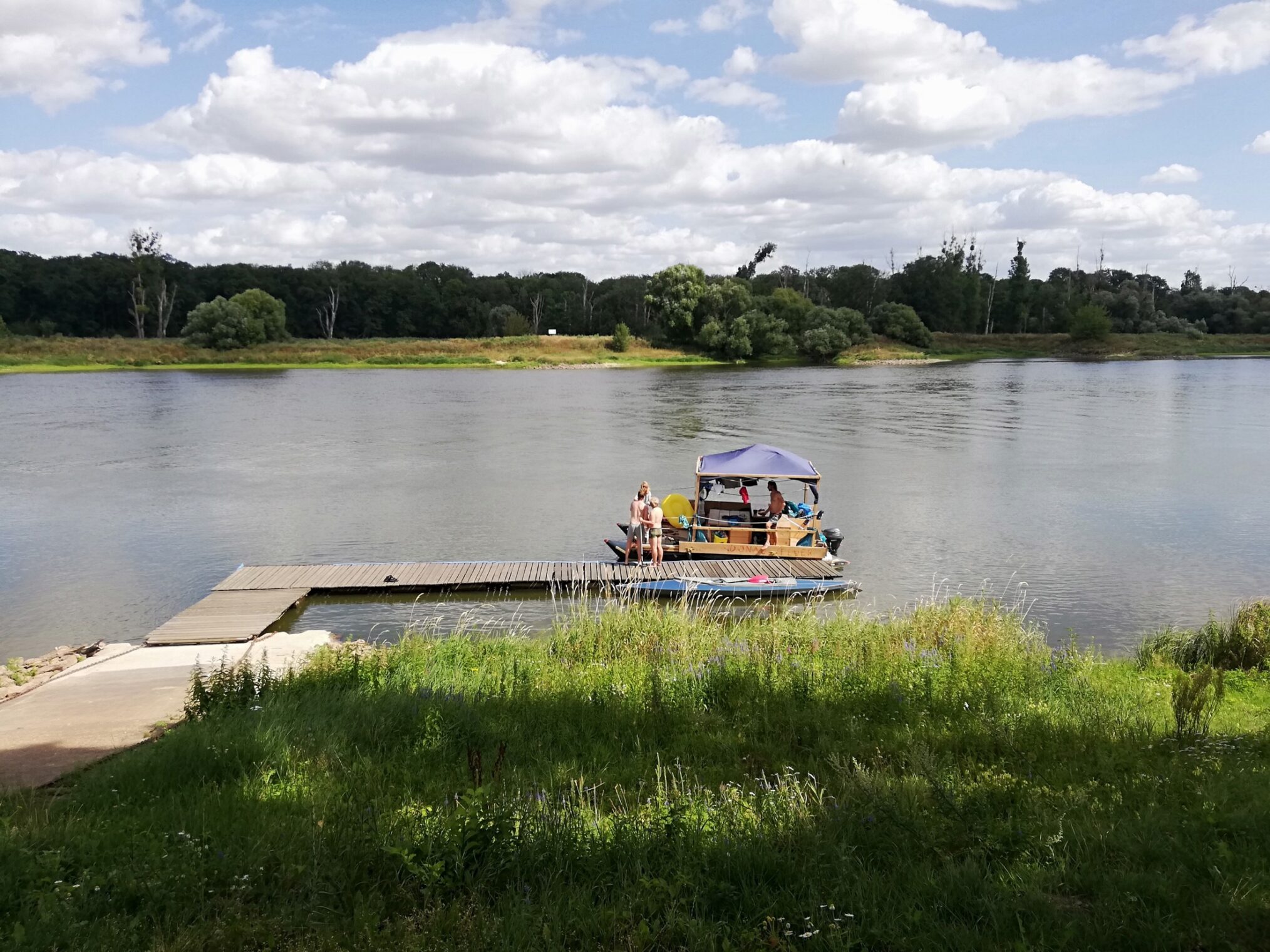
The port and the Elbe river shape the city and its residents. “In my childhood and youth, large tugboats with steamers and chains still sailed here. We all sat by the Elbe and marveled. Where did we learn to swim? In the Elbe! Until the end of the 1950s, when the Elbe became dirty, the groynes were packed with families. People swam, camped, and lay on the beach. The Elbe belongs to Aken; without the Elbe, Aken would not exist,” recalls 74-year-old Hans-Jochen Müller.
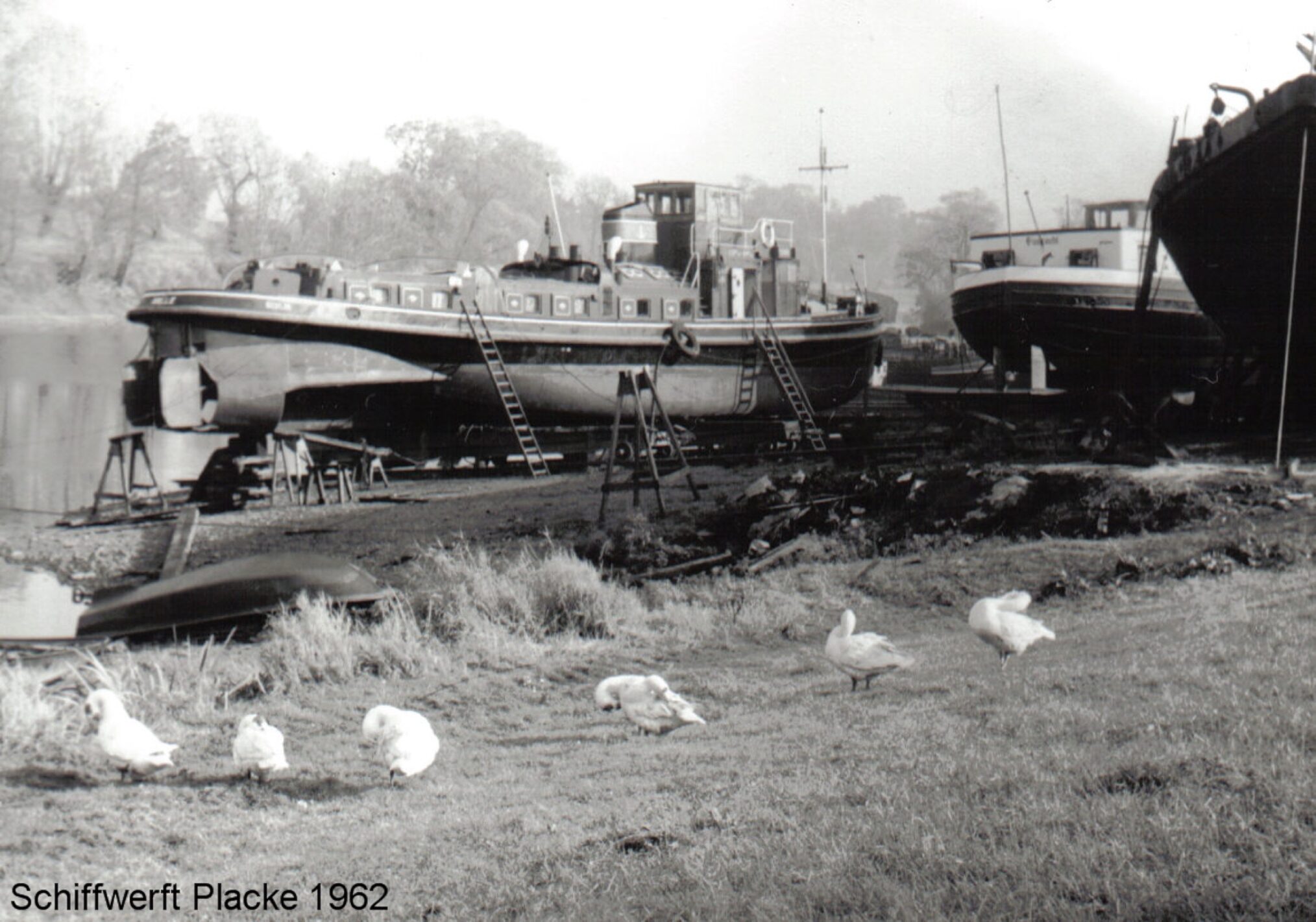
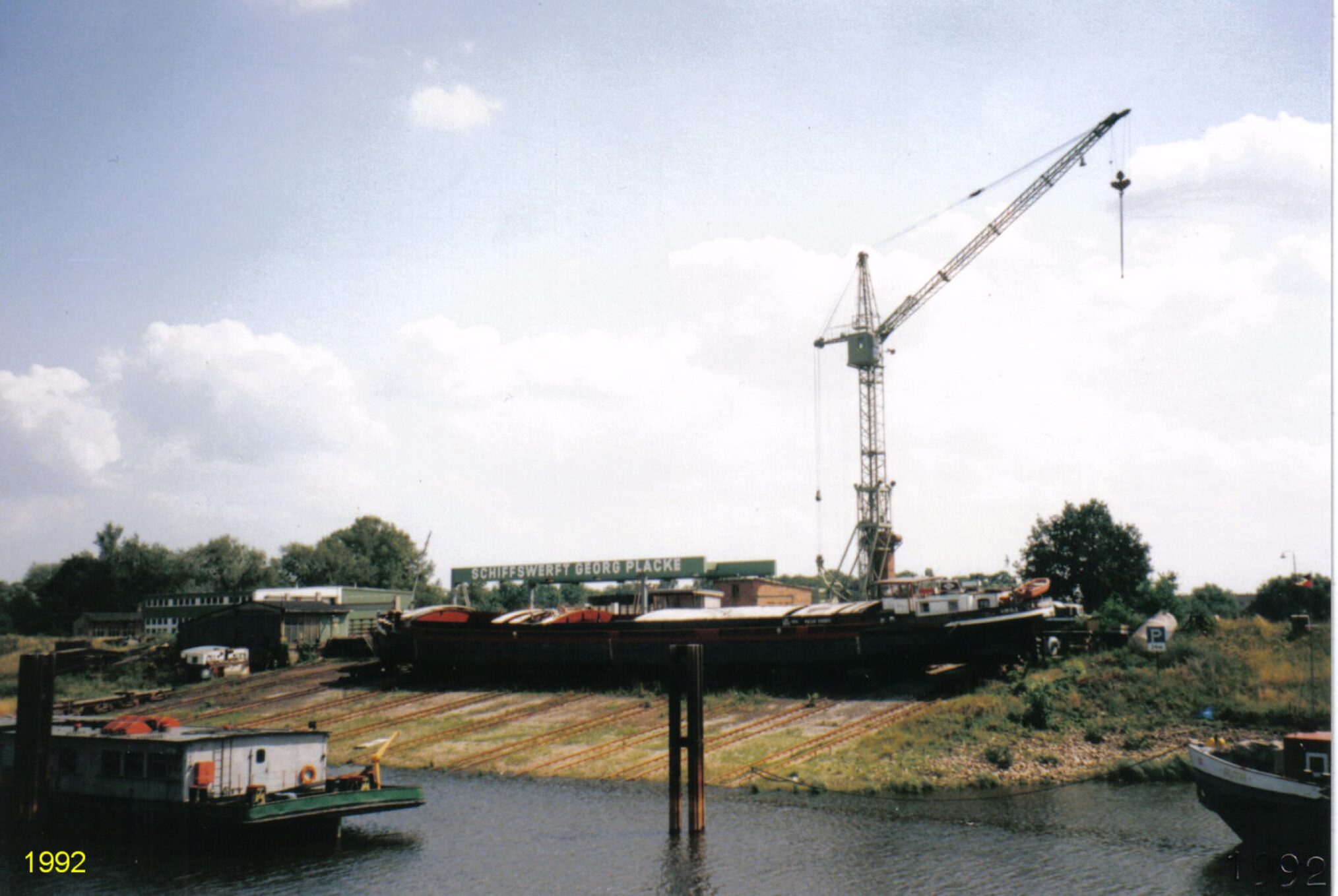
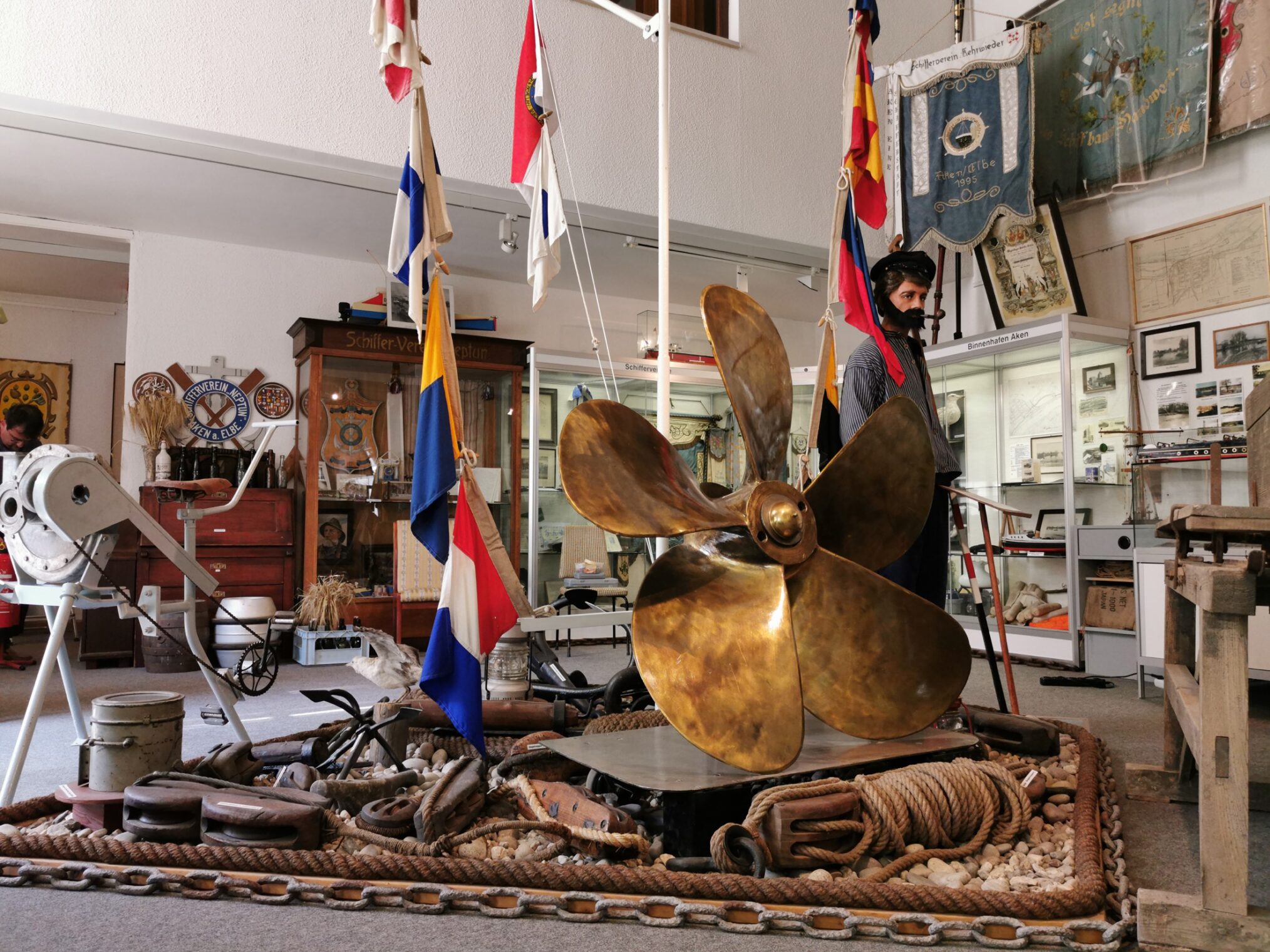
At the beginning of the 20th century, Aken’s shipping industry experienced its heyday. No other city on the Elbe had a higher density of boatmen at that time. Boatmen spent many months on the water; their families remained at home. At 101 years old, Lisbeth Schoch from Aken still remembers it well: “When a barge came around the corner and tooted, the boatmen’s wives knew they had to shoulder their baskets with fresh laundry. A jar of plum jam, Aken sausage, and cheese went in. The women would briefly come aboard the steamer in a dinghy and take the dirty laundry back with them.”
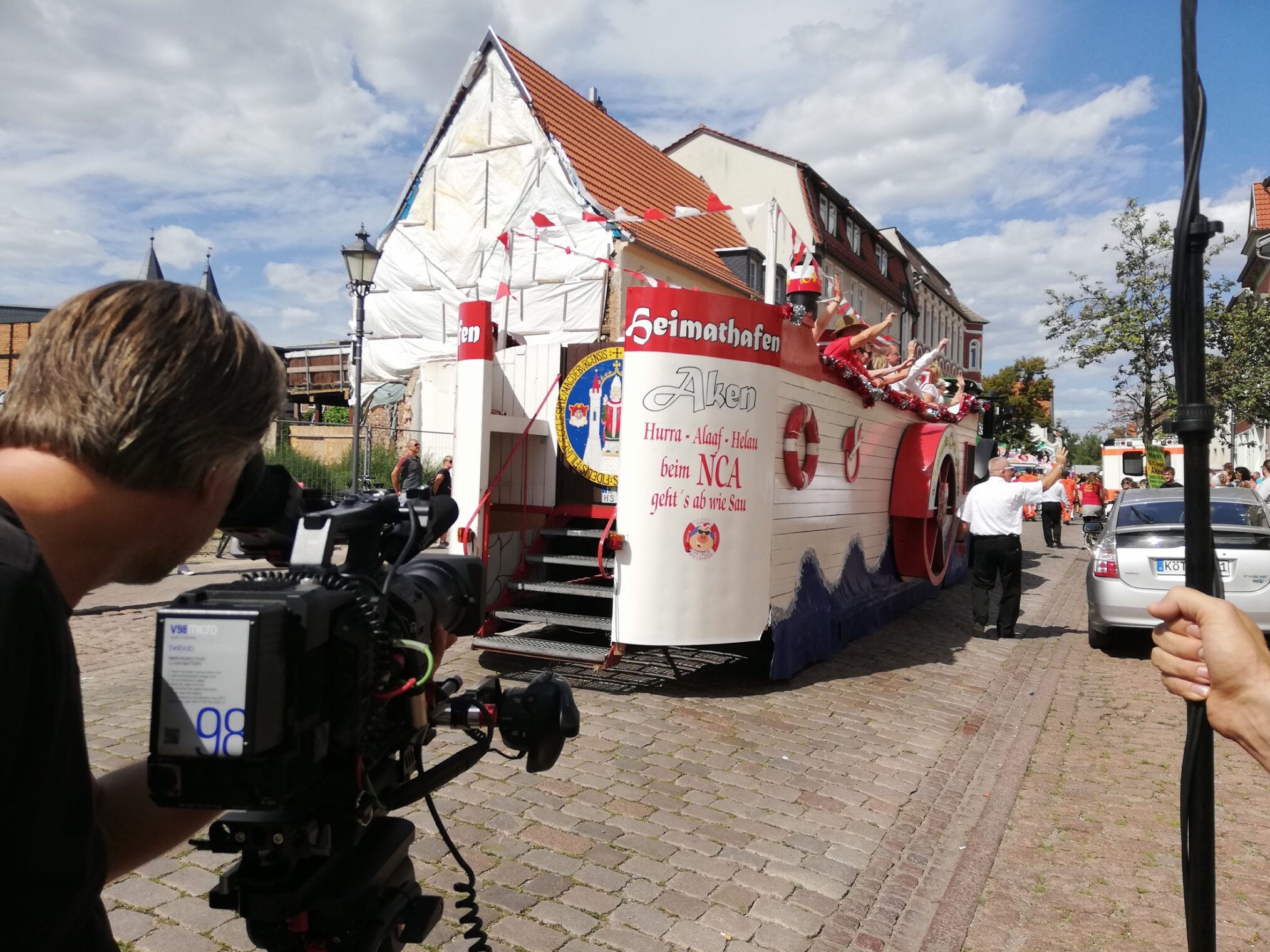
Jan-Hendrik Bahn, Aken’s mayor since 2015, has brought a breath of fresh air to the town hall. He has given the town an image campaign, a tourism concept, and broadband access. “There are many beautiful places in the world, but this is home,” is his motto. Meanwhile, Aken regularly hosts music events, has a vibrant club culture, and will soon have the first youth council in the city’s history. In fact, in 2017, more people moved into Aken than left the city for the first time in years.
The documentary interviews the descendants of the boatmen and asks the question: Is the small town experiencing its comeback?
A film by Susann Krüger