The East - Discover Where You Live: The Georgischacht Wansleben
A FILM BY ANNA SCHMIDT
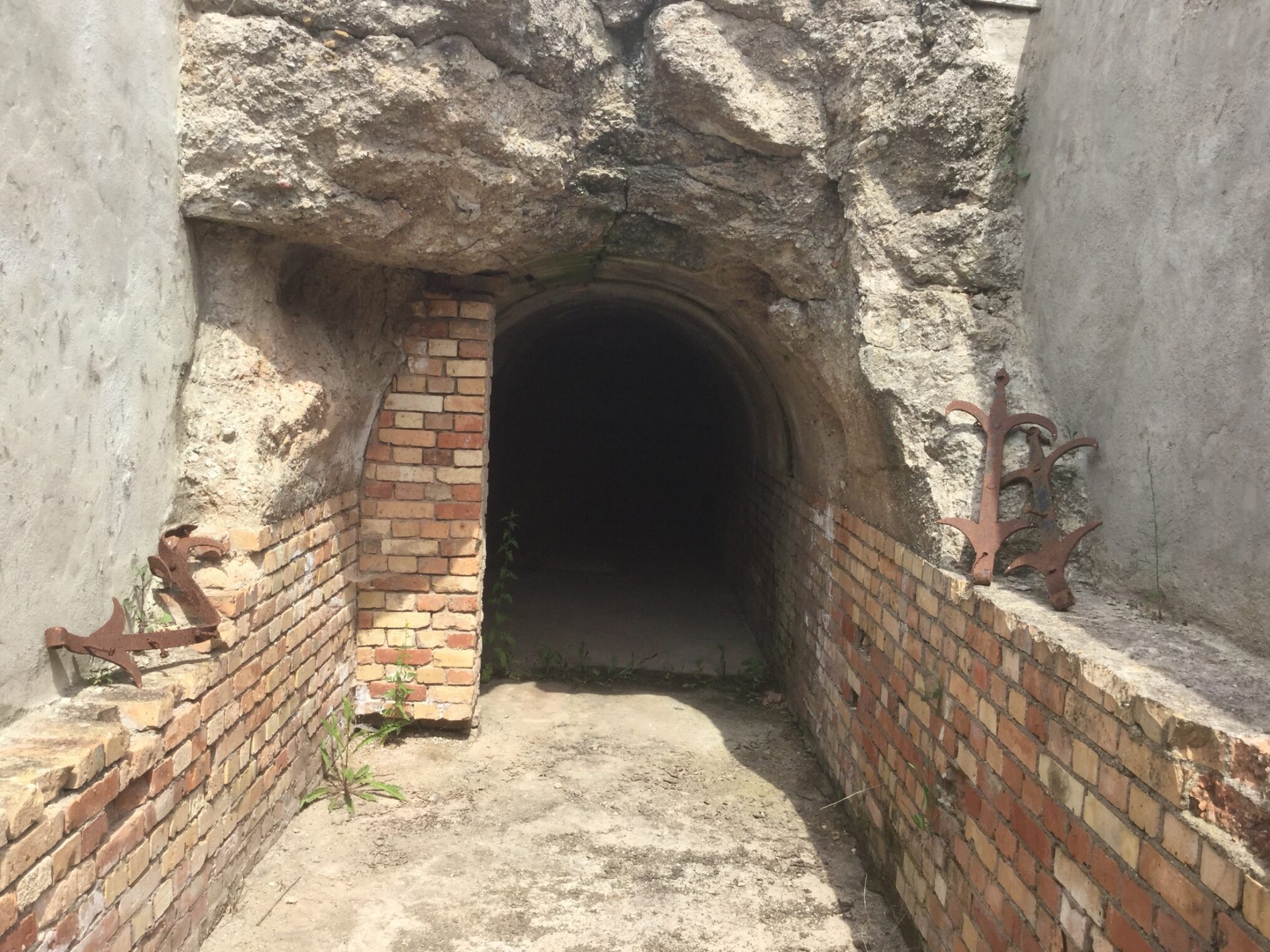
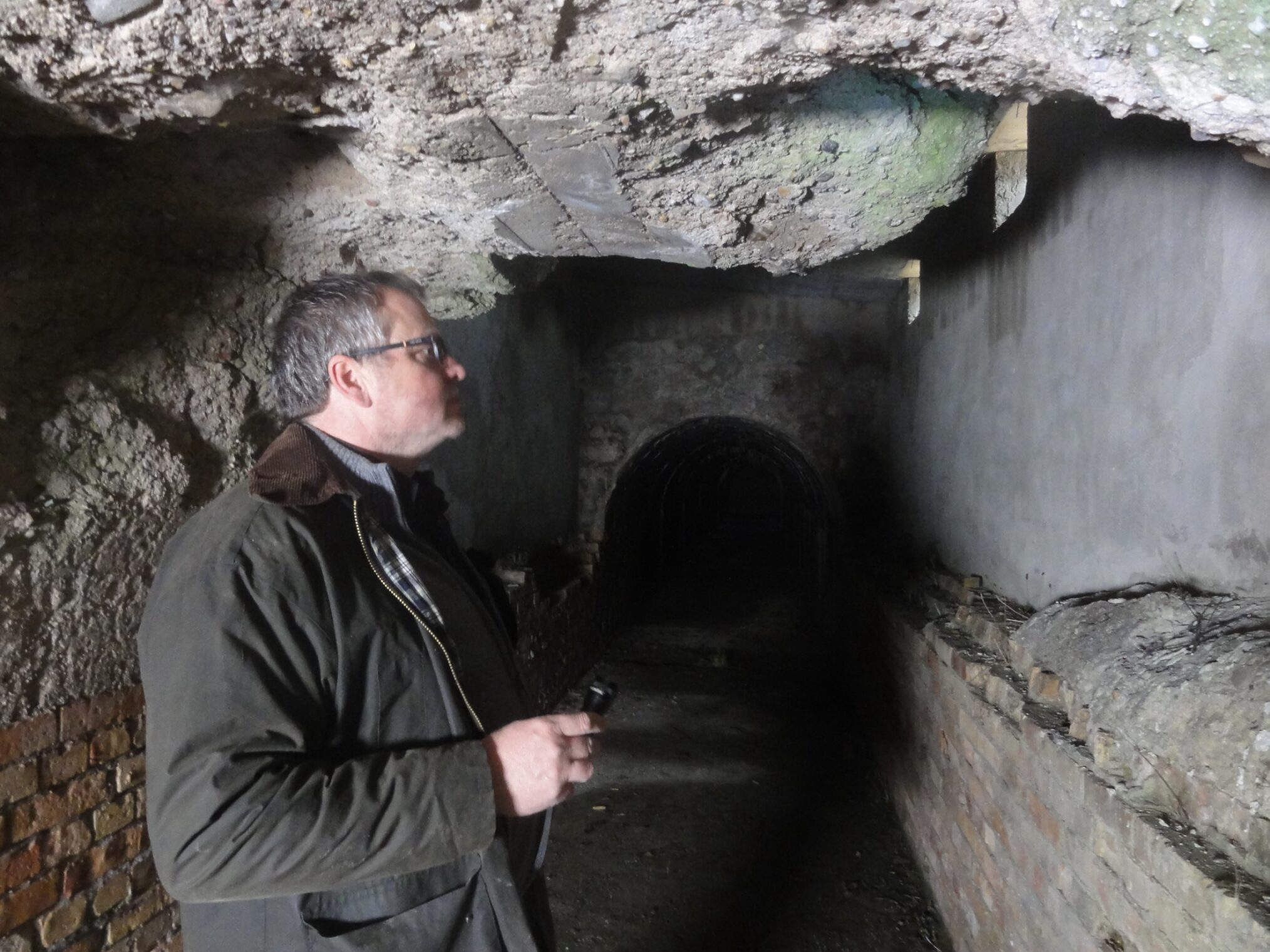
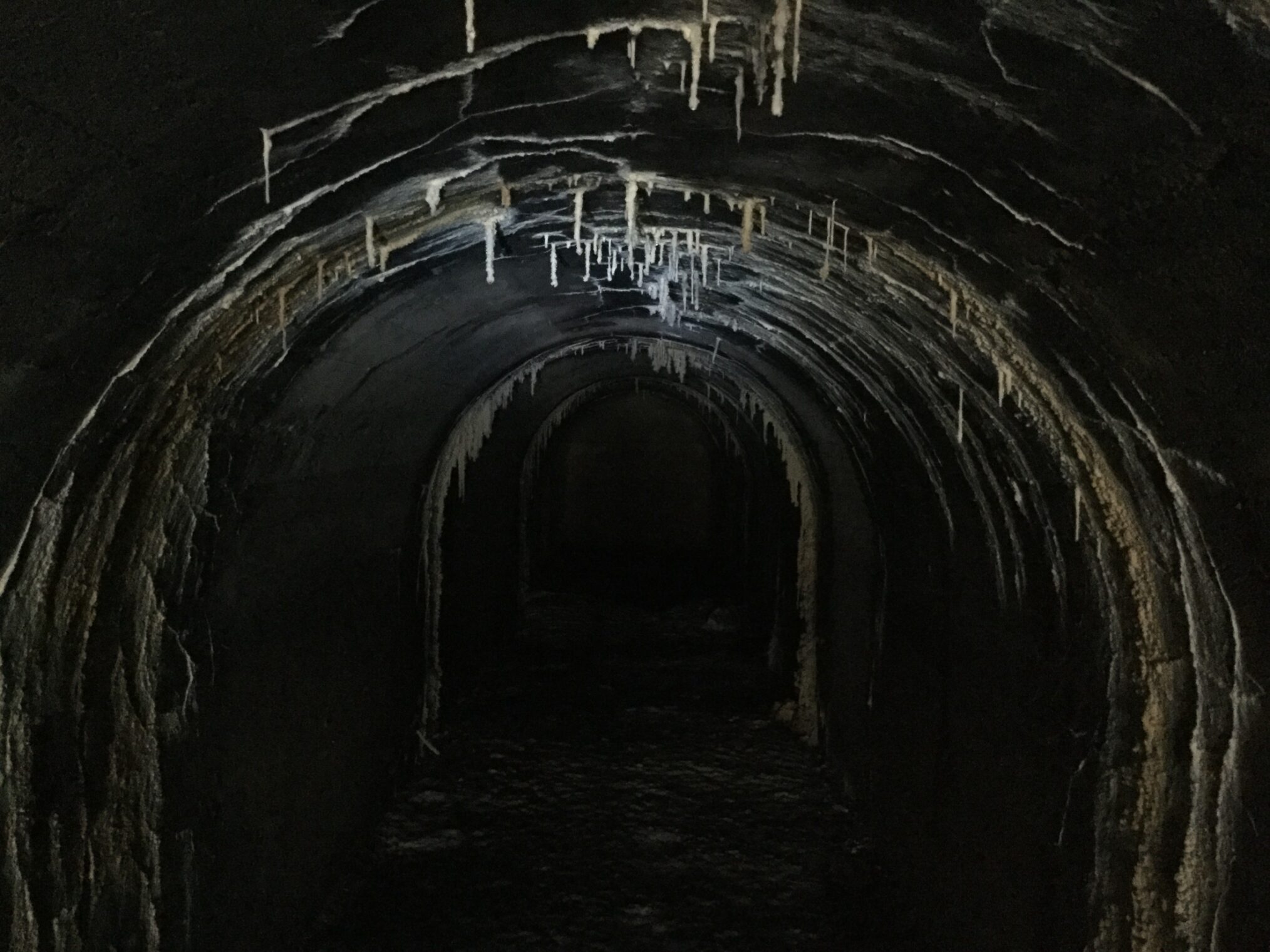
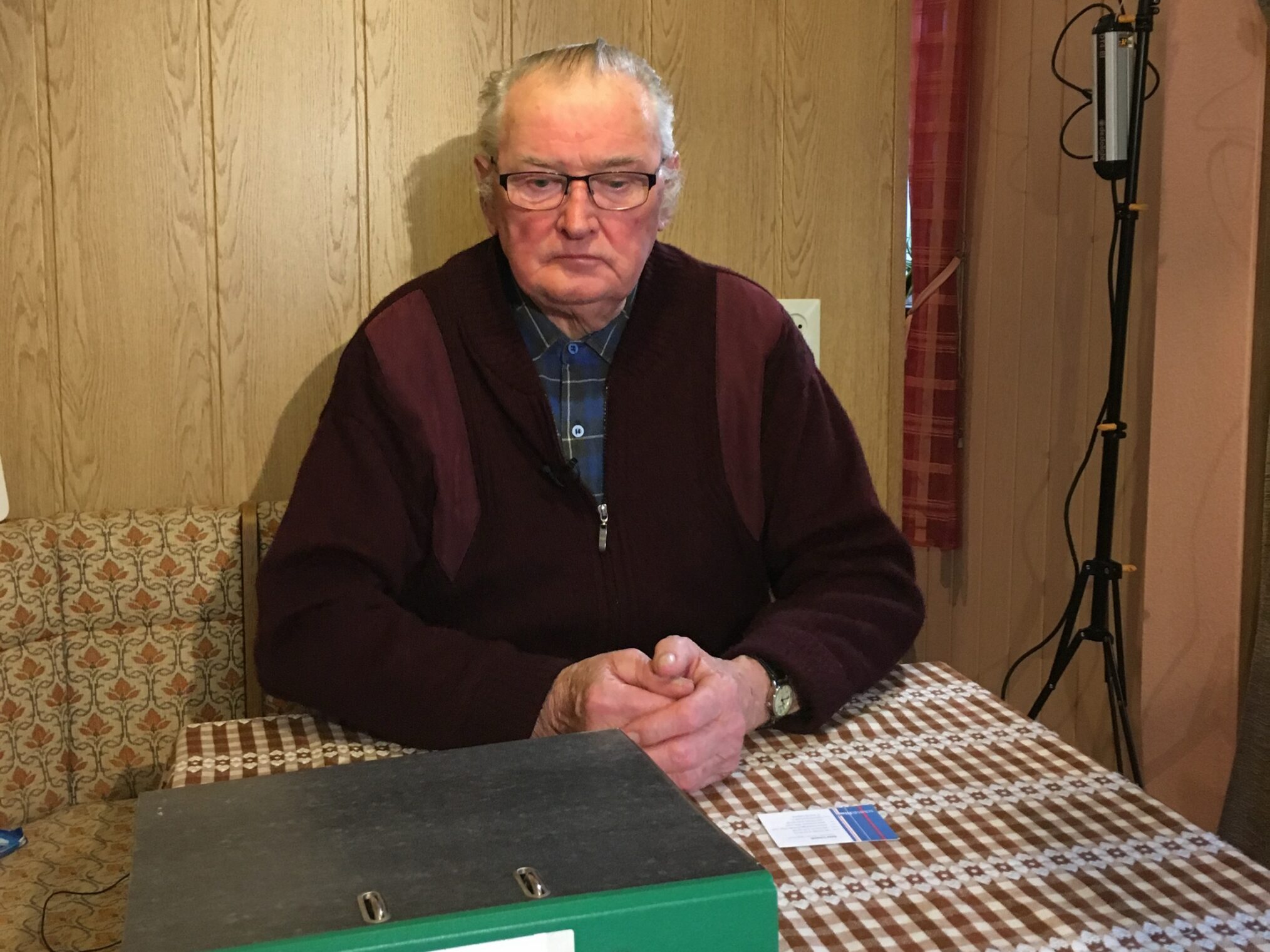
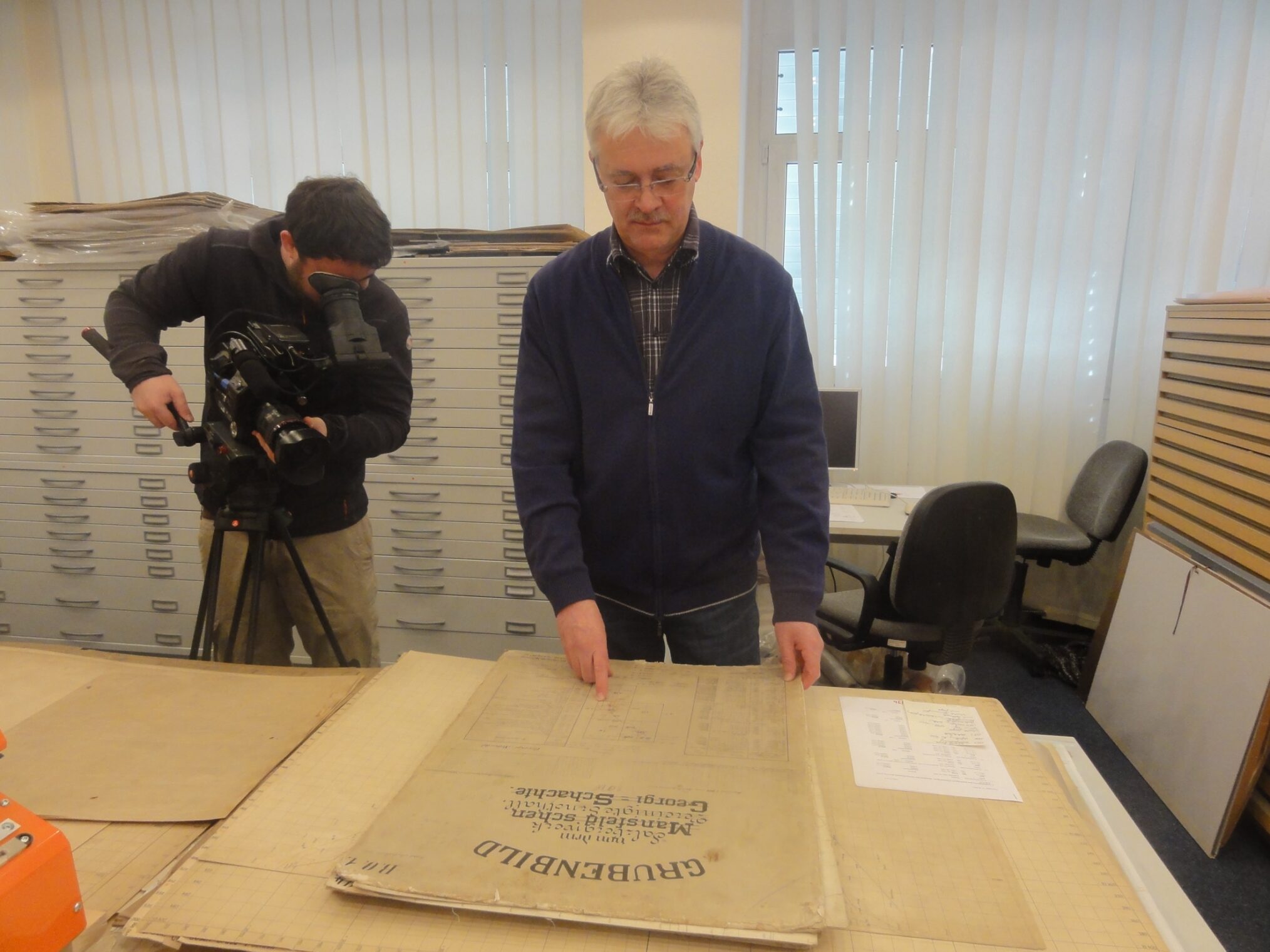
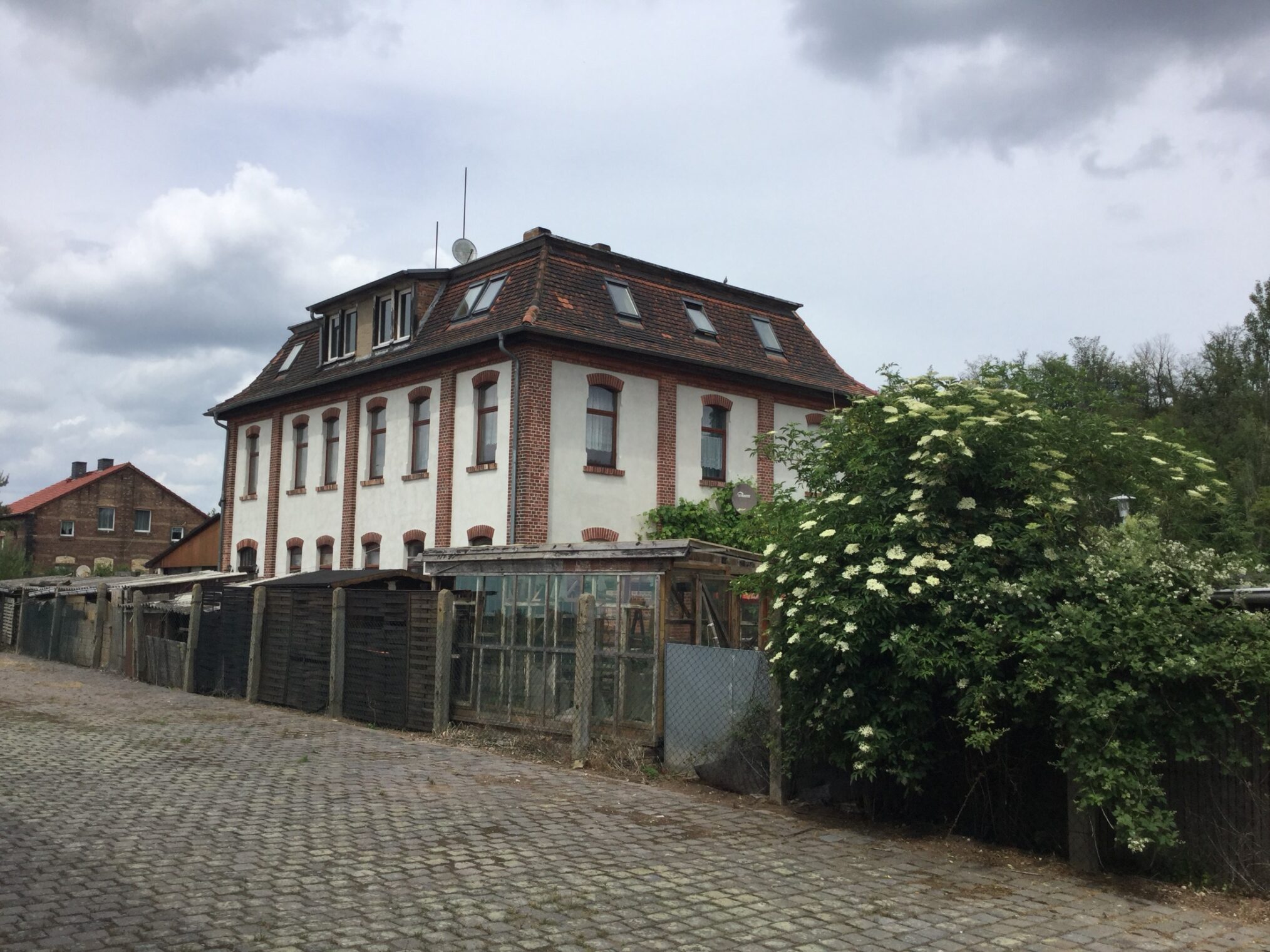
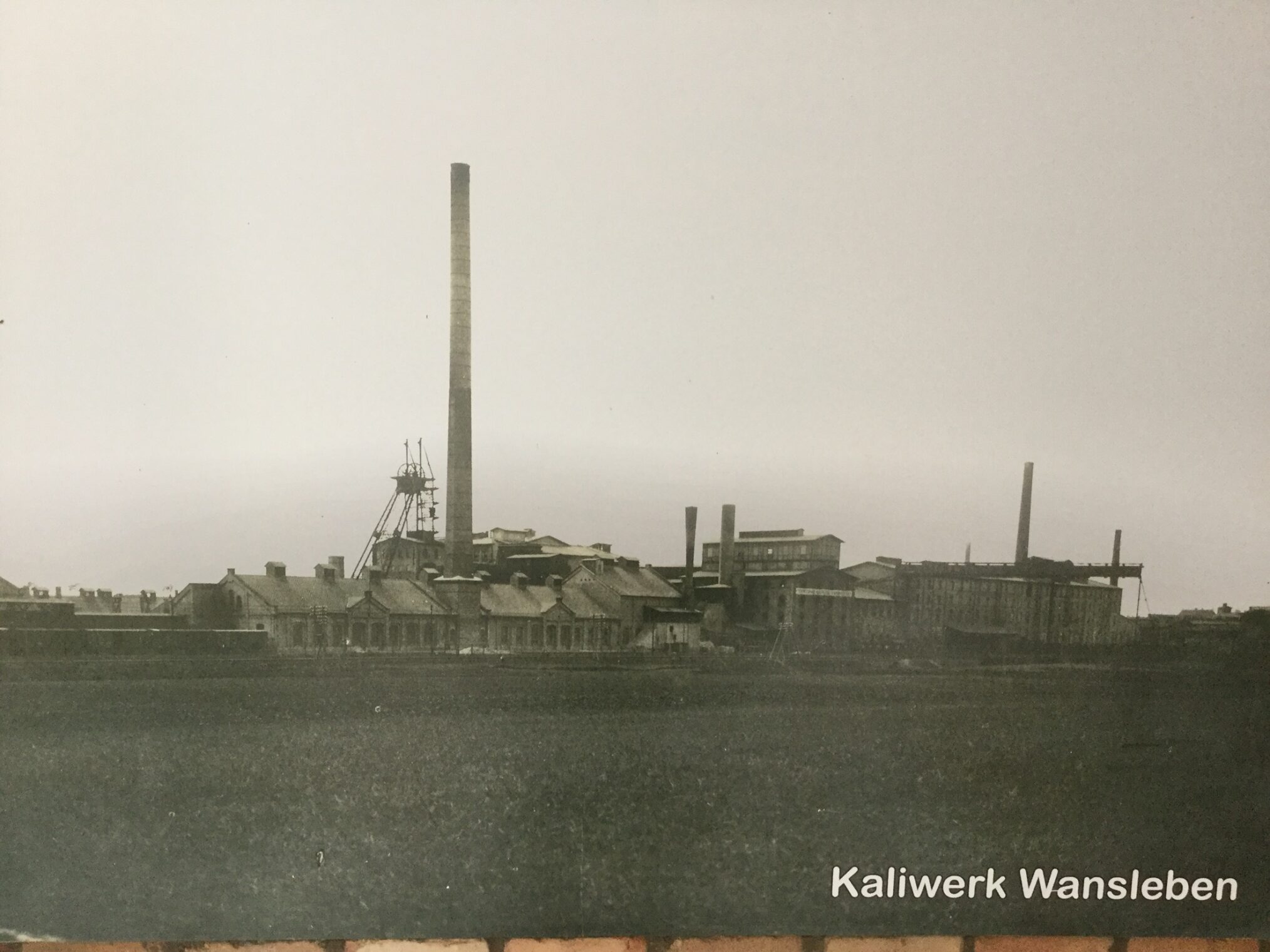
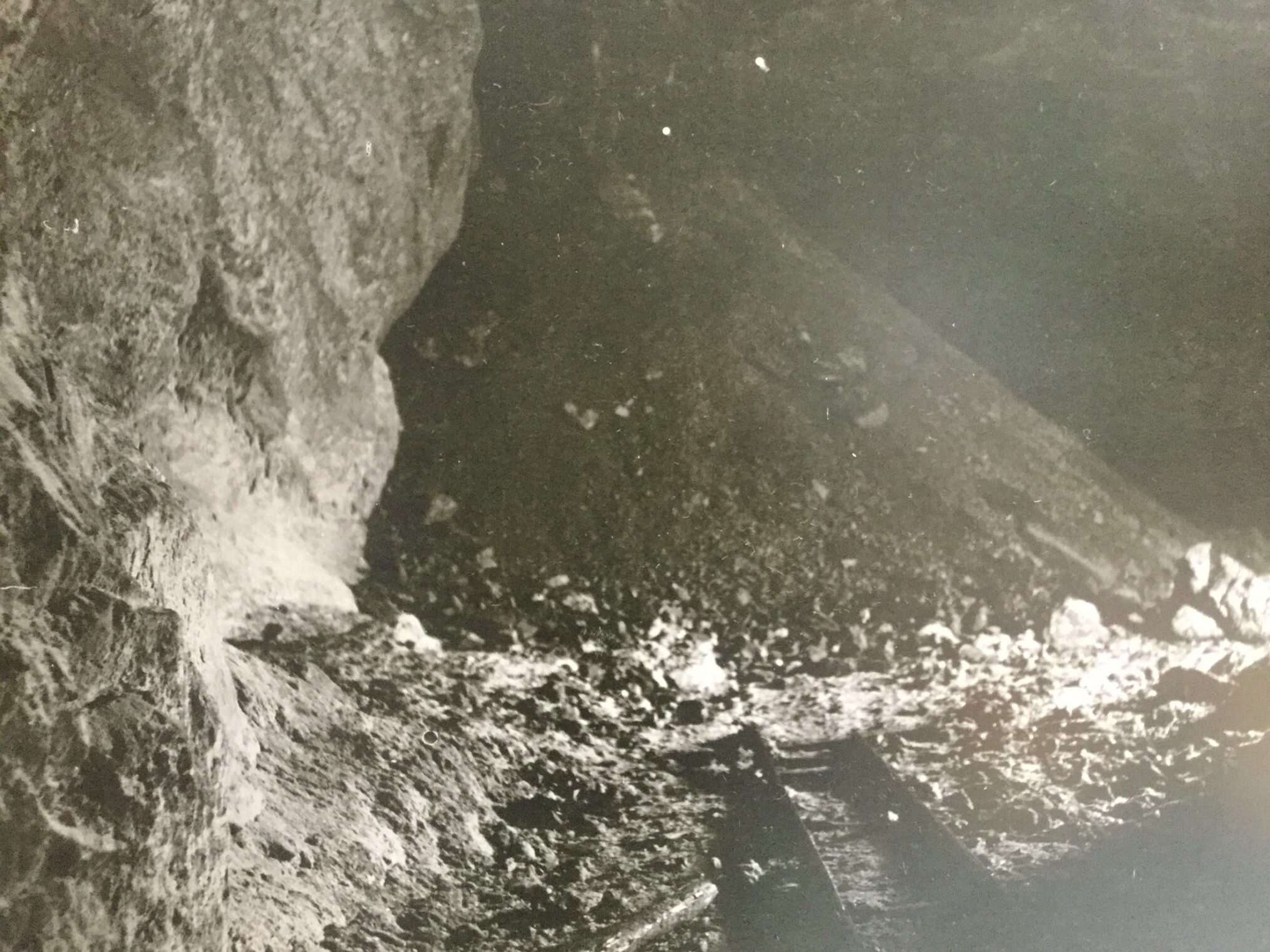
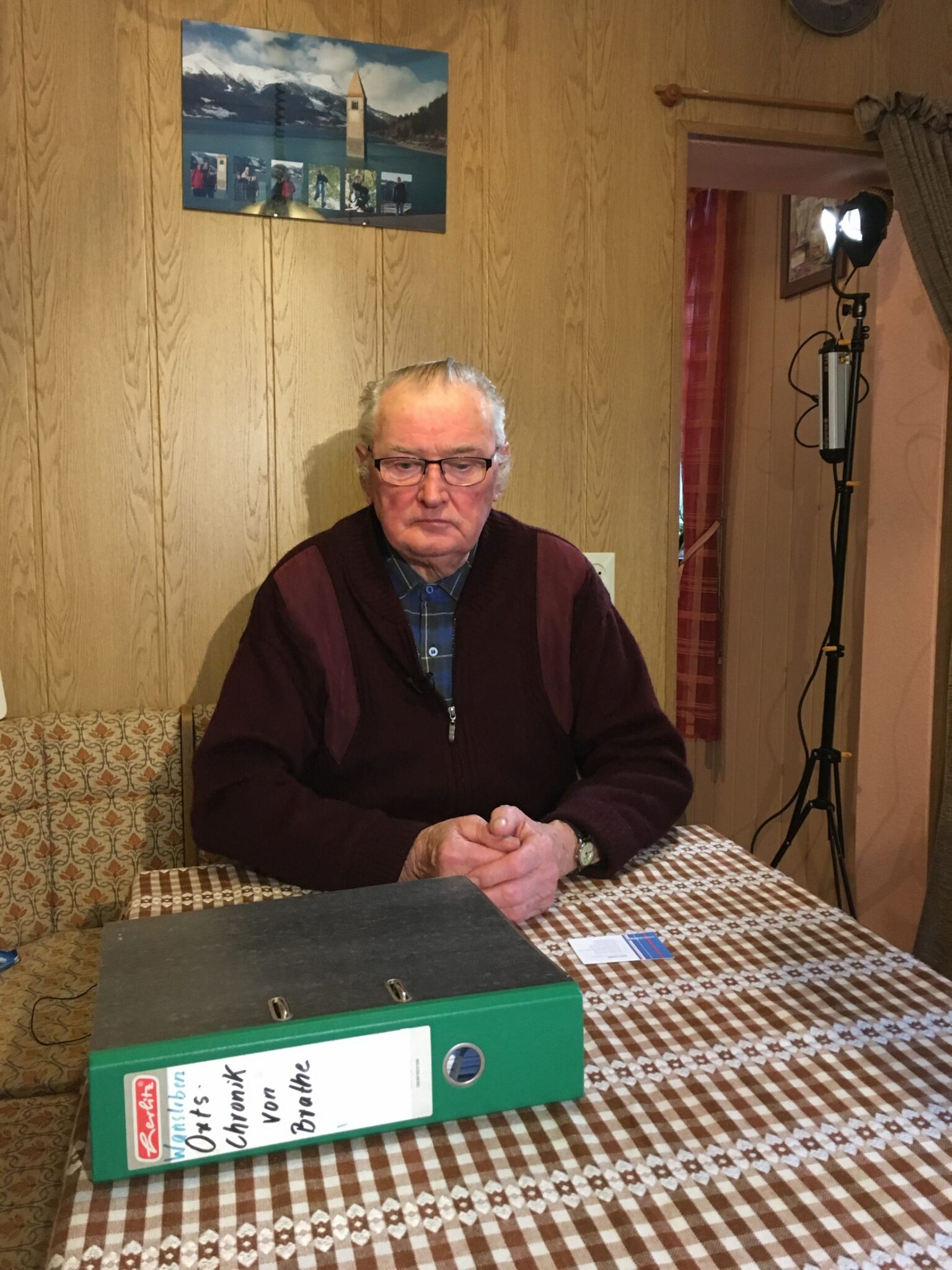
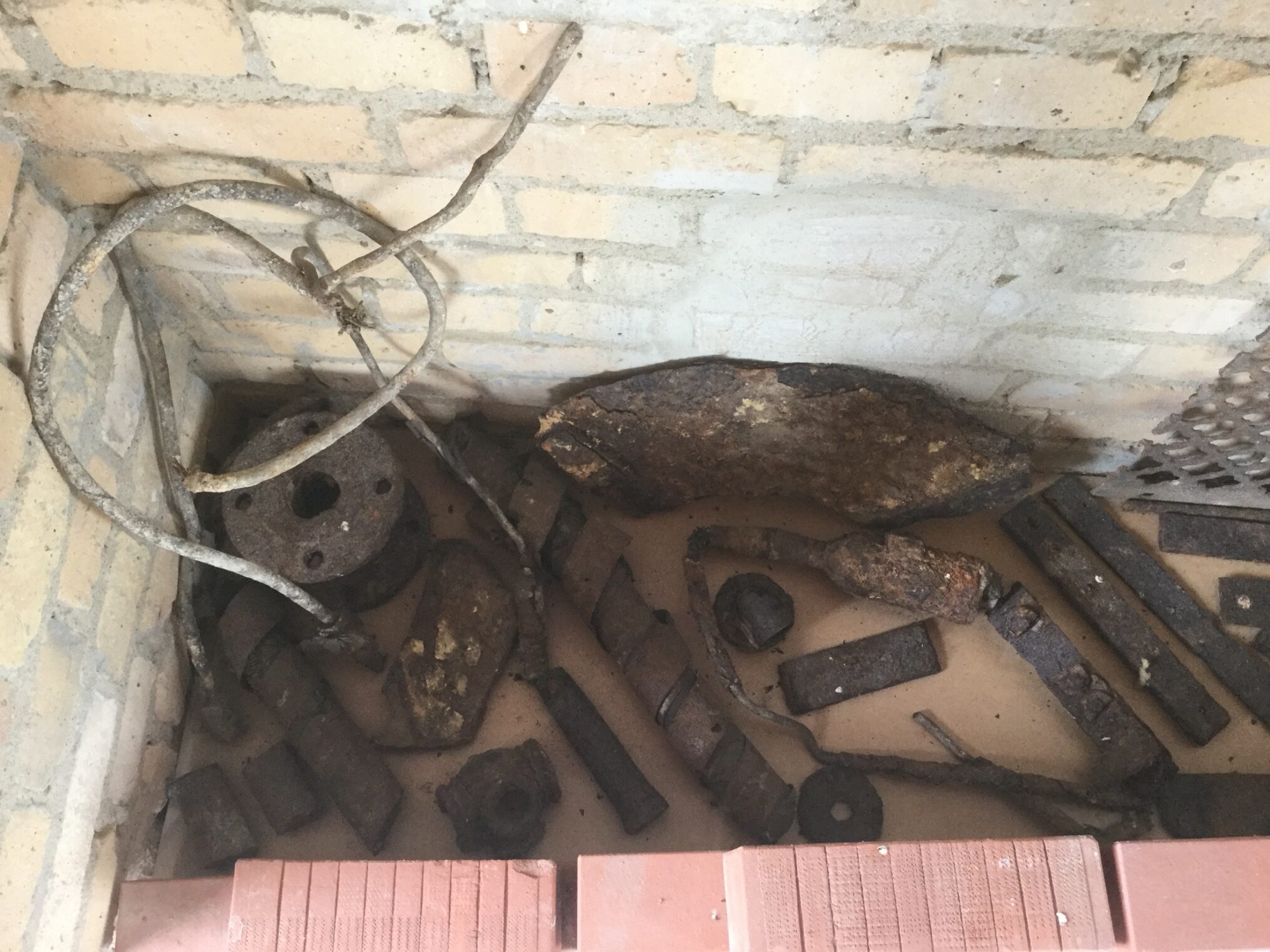
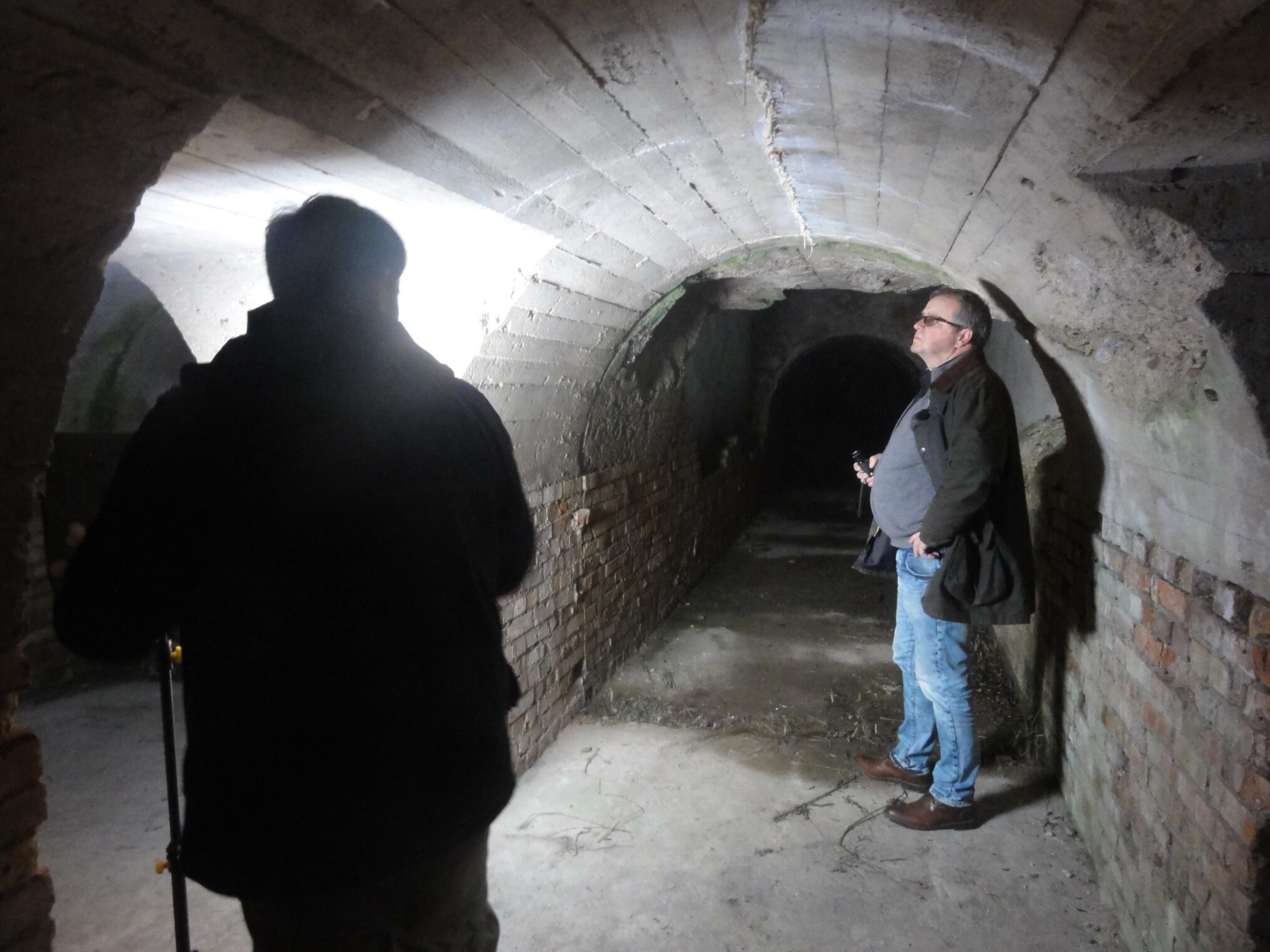
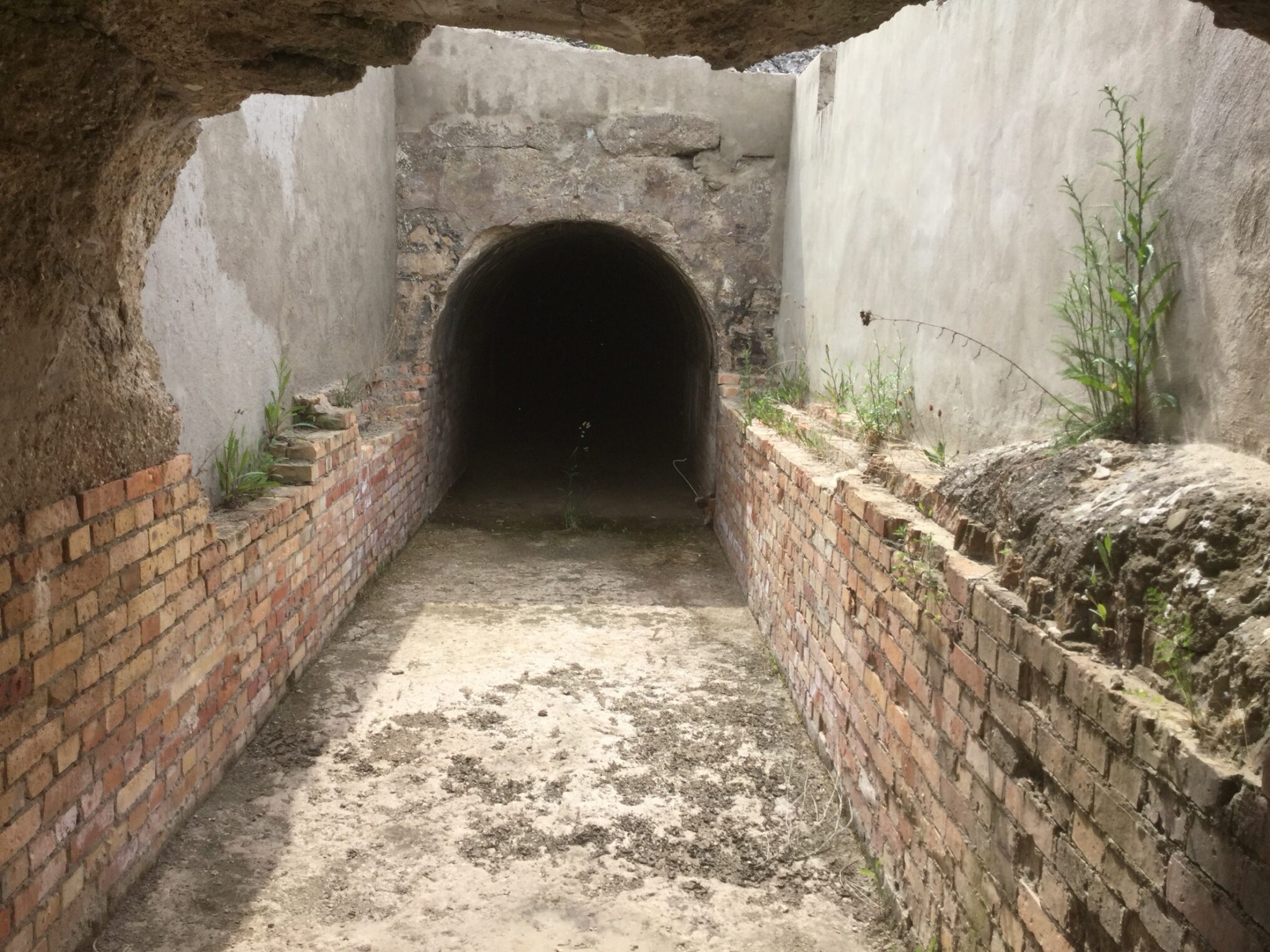
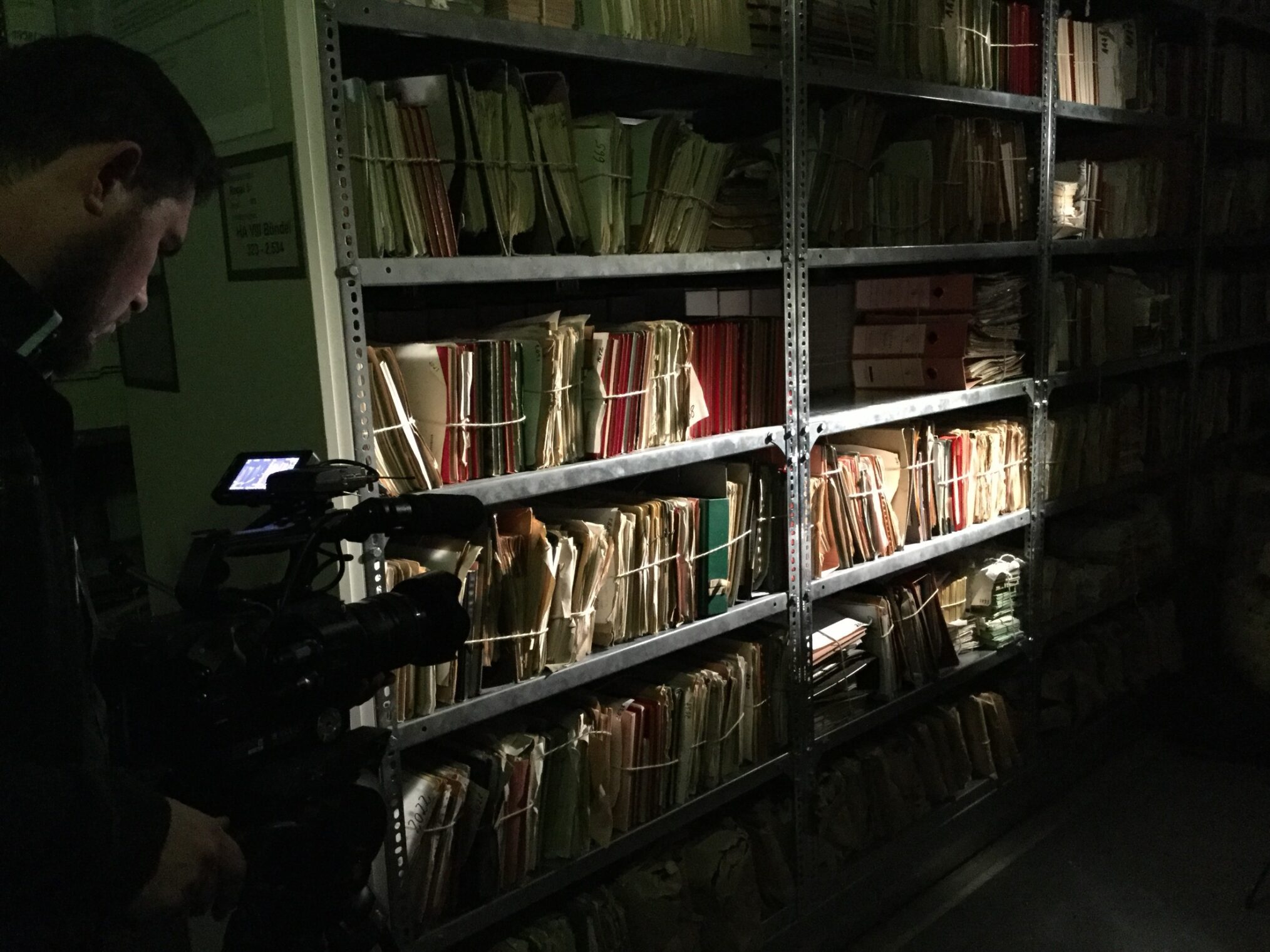
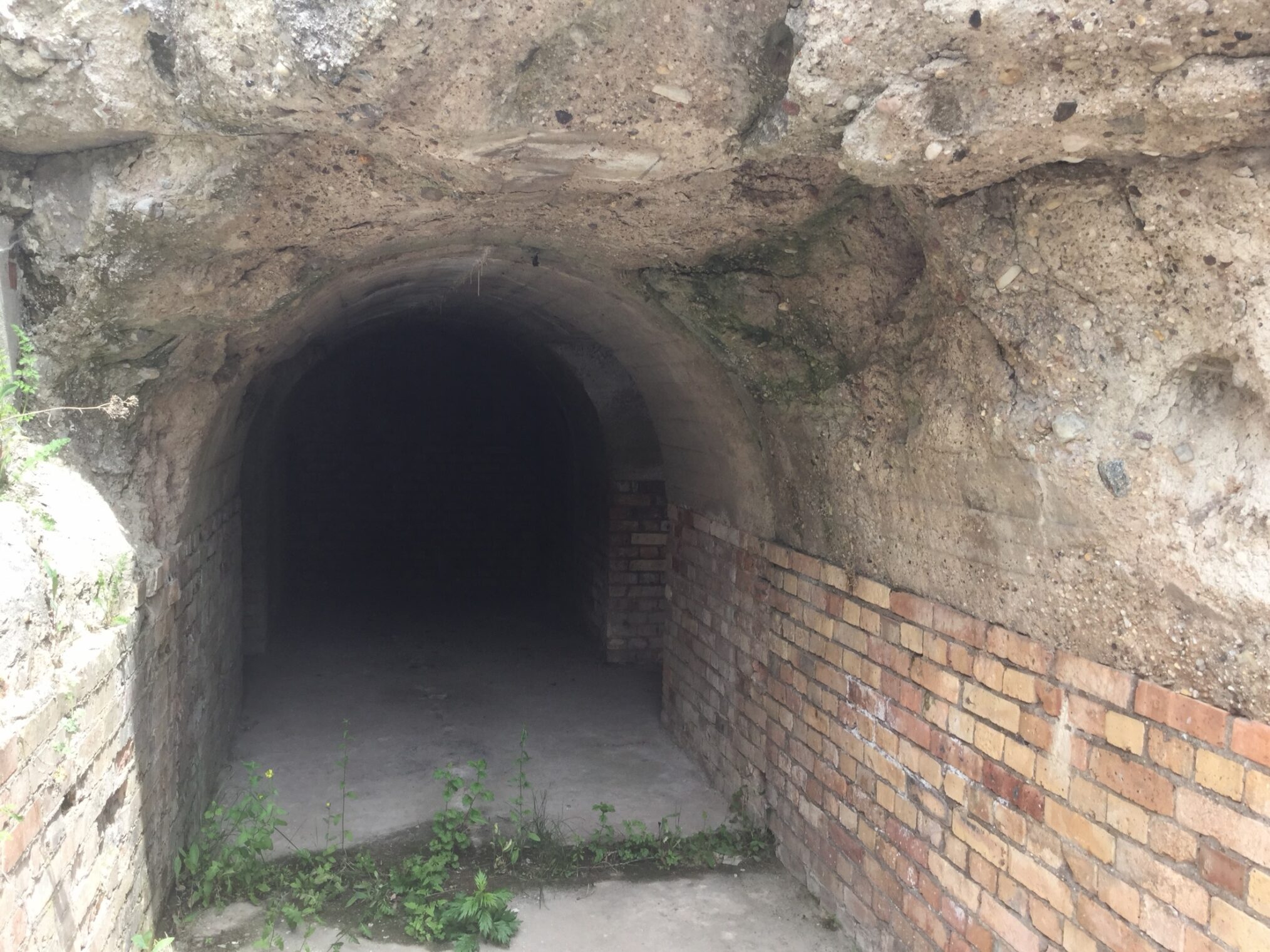
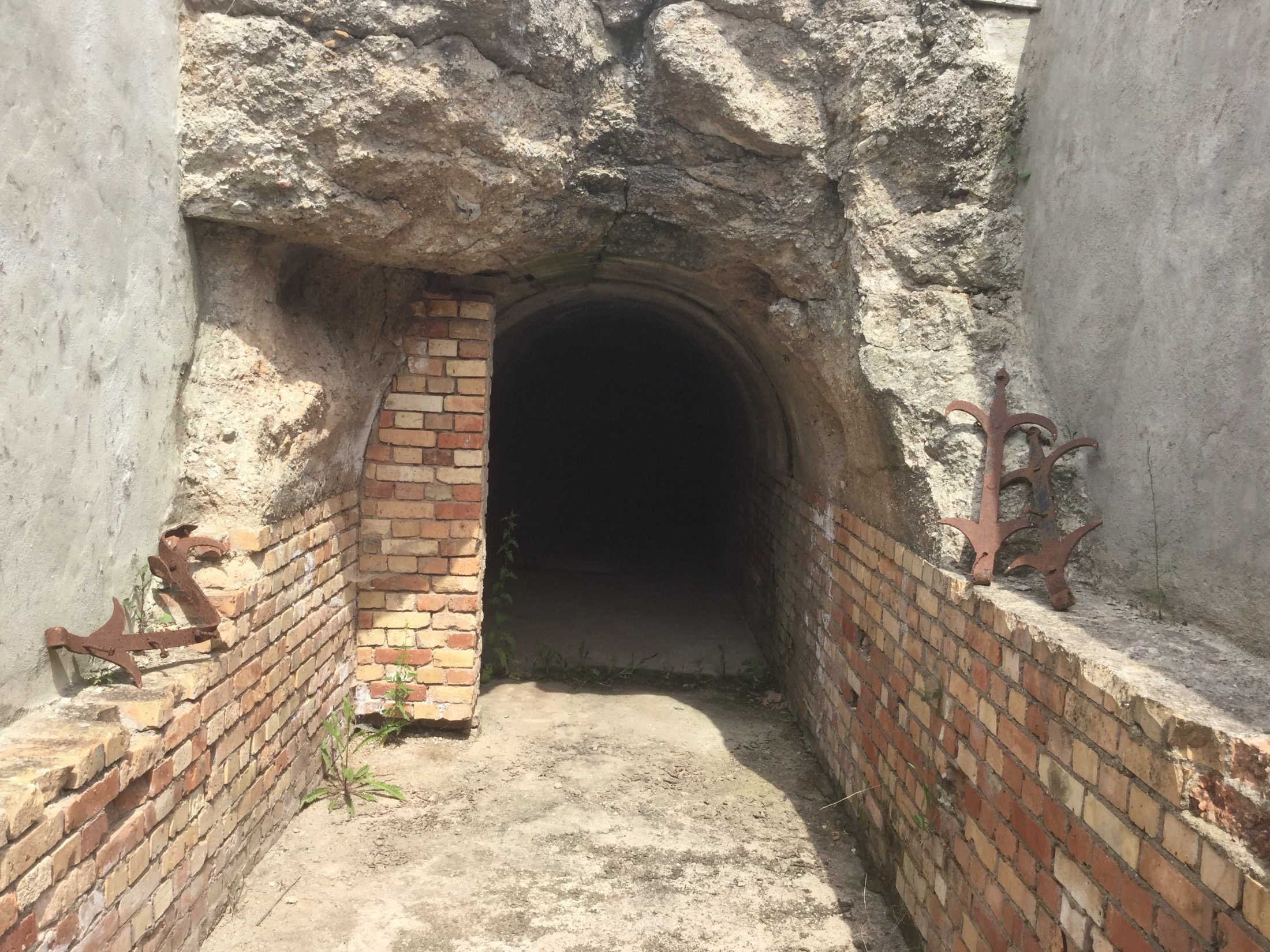
Many rumours surround a salt mine shaft in the small village of Wansleben in Saxony-Anhalt. In the final years of the war it served the Nazis as a hiding place for valuable works of art such as the historic books and manuscripts of the Leopoldina in Halle, and later as an underground concentration camp for the production of V2 weapons. After the end of the war the Americans came first and liberated the camp, then the Red Army, who cleared the shaft and took the books to the Soviet Union as reparations. They were packed by young girls from the village, who watched as villagers first tore valuable engravings and drawings out of the books. That is how the story is still told today. But what was in the crates that the prisoners brought into the shaft at the beginning of 1945? Perhaps the Amber Room, as some suspect, perhaps other treasures of the Reich? The prisoners who carried the crates into the shaft under cover of darkness were never seen again, the villagers could only guess, and the Stasi wanted to know more. In 1962 they launched a major questioning campaign under the code name “Aktion Licht”. All that remains are 4000 pages of files. But then the shaft was filled in in 1966. Why, remains unclear to this day. The files of the “Junge Historiker” research group at the Wansleben polytechnic secondary school, which looked into the history of the former concentration camp in the 1970s, were burned after reunification – by accident, so it is said. To this day it remains obscure what exactly took place in the shaft and which art treasures are still hidden in the kilometres of tunnels and chambers underground. Most villagers no longer remember. But a few, such as village chronicler Dieter Michaelis, have fascinating stories to tell. Andreas Tautrim, who owns the site, has now erected a memorial on the industrial wasteland commemorating the notorious satellite camp of Buchenwald concentration camp. He collects the memories of contemporary witnesses and wants to finally uncover the secrets of the Georgischacht. But what is behind the rumours of the Nazis’ secret treasure chamber, what happened to the prisoners underground, and why was the State Security interested in the old tunnel?
Answers on 9 May at 8.45 p.m.