Turning Point in the Ice
A FILM BY ANNA SCHMIDT
THE STORY OF THE LAST GDR ANTARCTIC RESEARCHERS
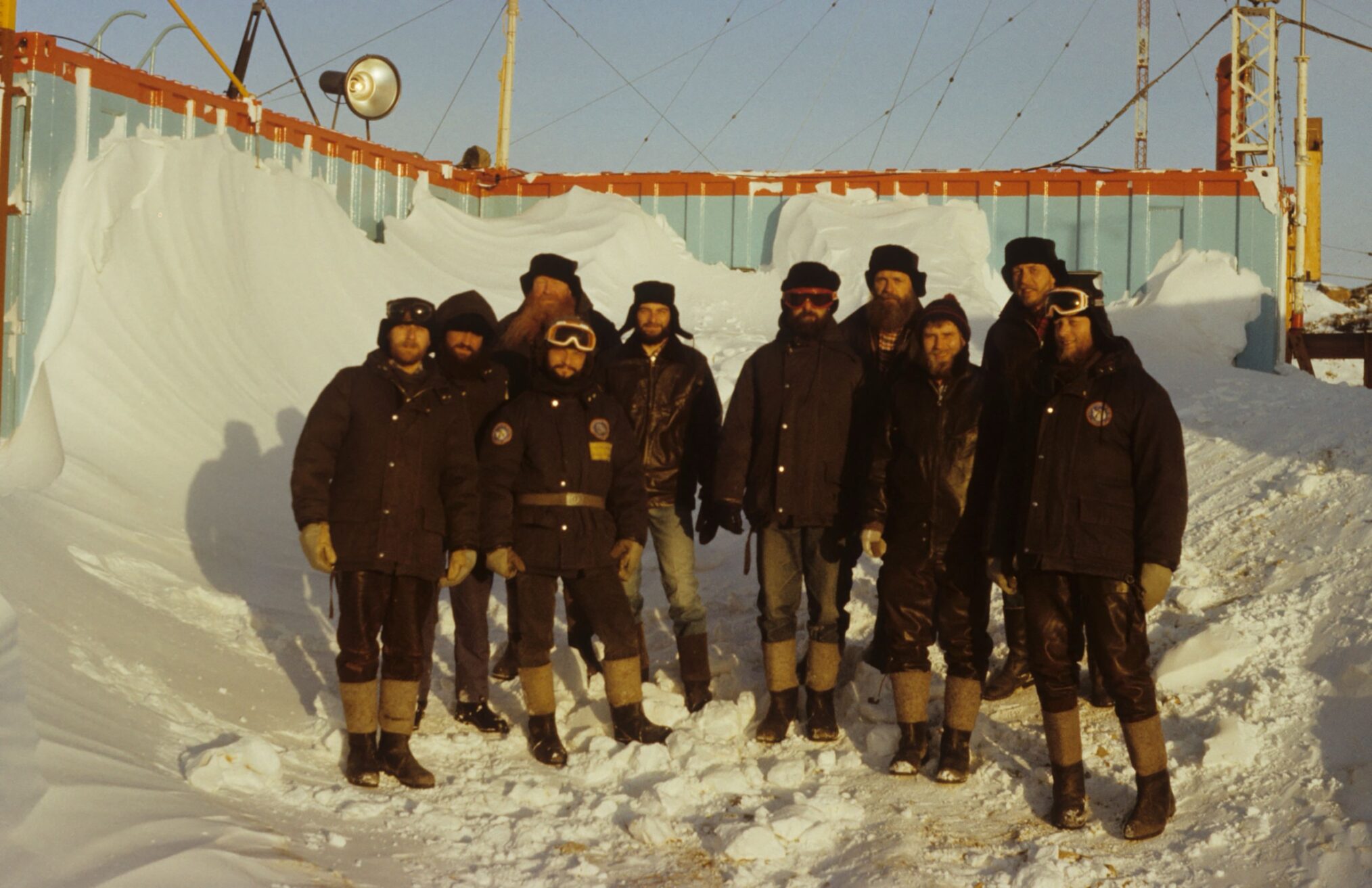
It is meant to become the greatest adventure of their lives: a research assignment in Antarctica. In 1989, 13 GDR scientists and technicians set off from East Berlin for the Georg Forster research station. At the time, they had no idea that their lives and their homeland would change fundamentally during this expedition. After the fall of the Wall, the group remains in the eternal ice until May 1991, far removed from developments back home.
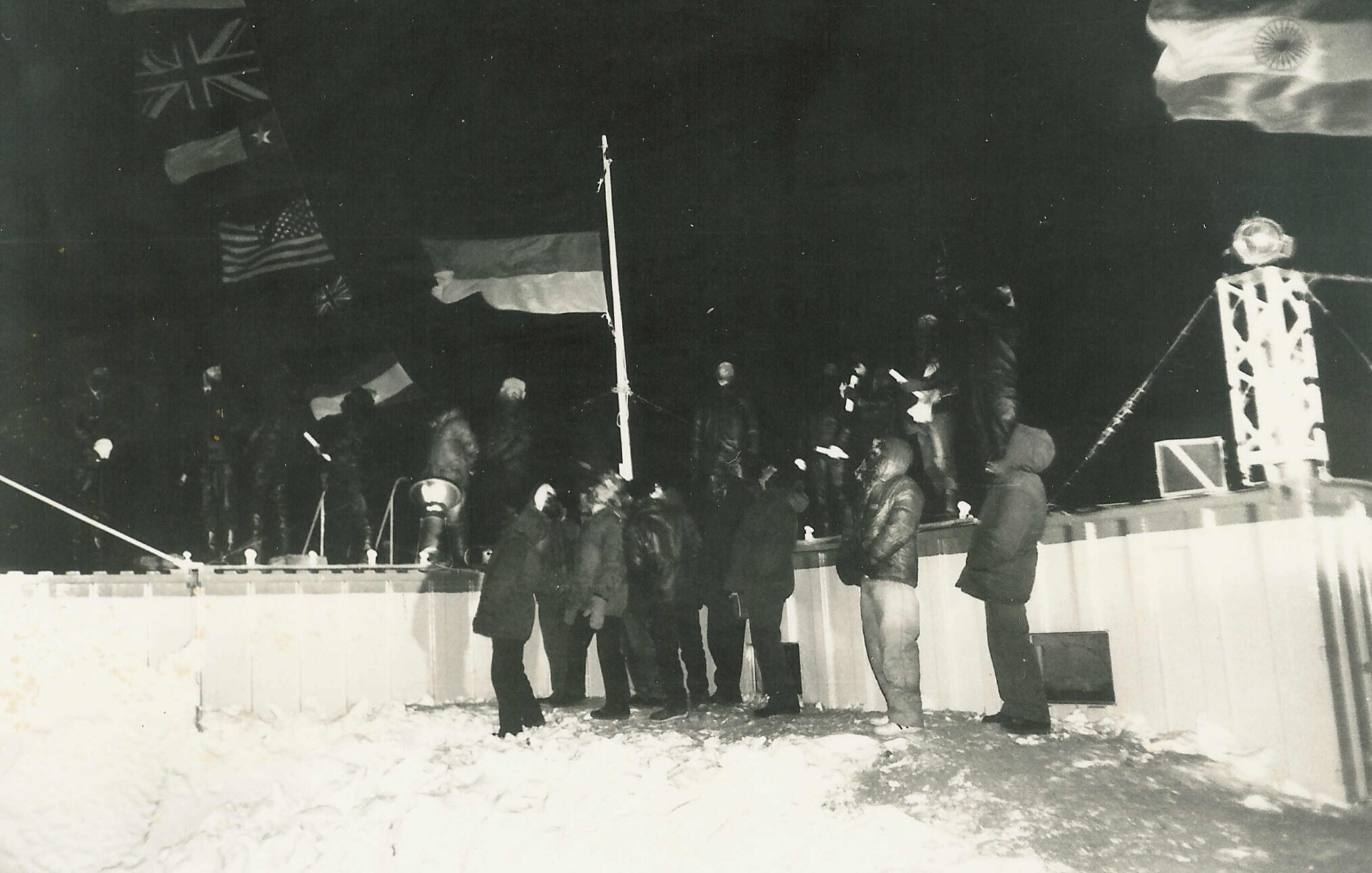
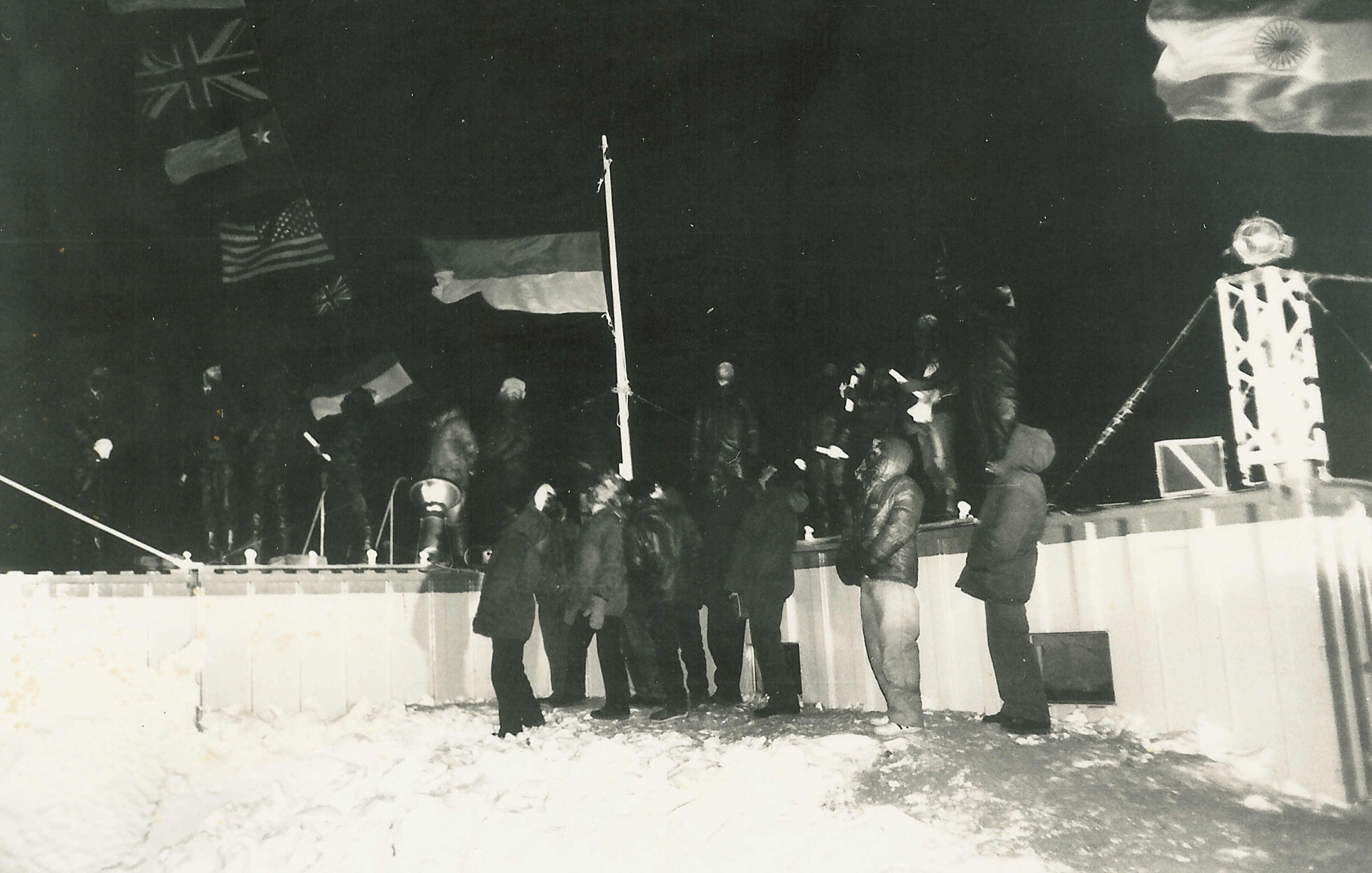
Yet the German reunification process is also completed in Antarctica on October 3 with a change of flags and a military tattoo. In the stormy Antarctic night, on the station roof, the old flag is lowered and the new one raised while both national anthems are sung. A trumpet sounds. Together with their polar neighbours—the Soviets and the Indians—the Germans welcome the new country. Present in the first months: a DEFA camera crew. As if under a magnifying glass, an uplifting and at the same time painful process unfolds in Antarctica as well. The GDR scientists remain committed to their research tasks—above all to their ozone programme, which earned them international recognition in the 1980s. The Georg Forster Station is the only one in the world with long-term measurement series that provide evidence of the temporal and vertical extent of the ozone hole. To this day, scientists from all over the world draw on these data. The GDR conducted important research at the South Pole—even if the Georg Forster Station was initially a political issue during the Cold War. It was about international recognition for the GDR and strengthening the socialist camp at the South Pole.
When the men finally return in spring 1991, after a year and a half, they arrive in a foreign country.
Many research results from the last GDR expedition were never evaluated. Some are still being used by scientists around the world today. The Georg Forster Station no longer exists. From 1993 to 1996 it was dismantled and ended up on the scrap heap of world history.
How do the GDR polar researchers look back today, 30 years on, at this chapter of history—at the fall of the Wall and reunification, which they experienced from afar with a different perspective?
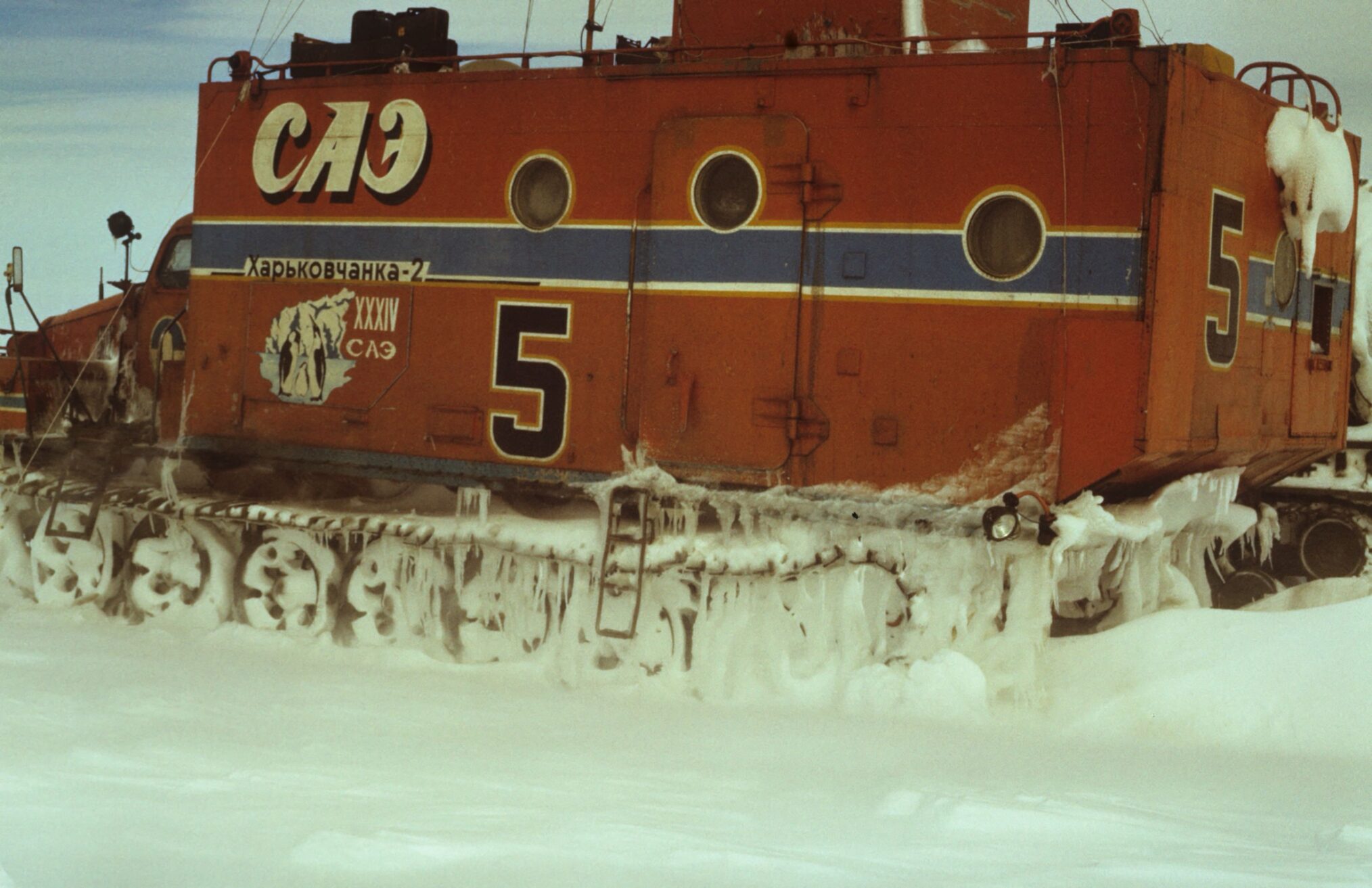
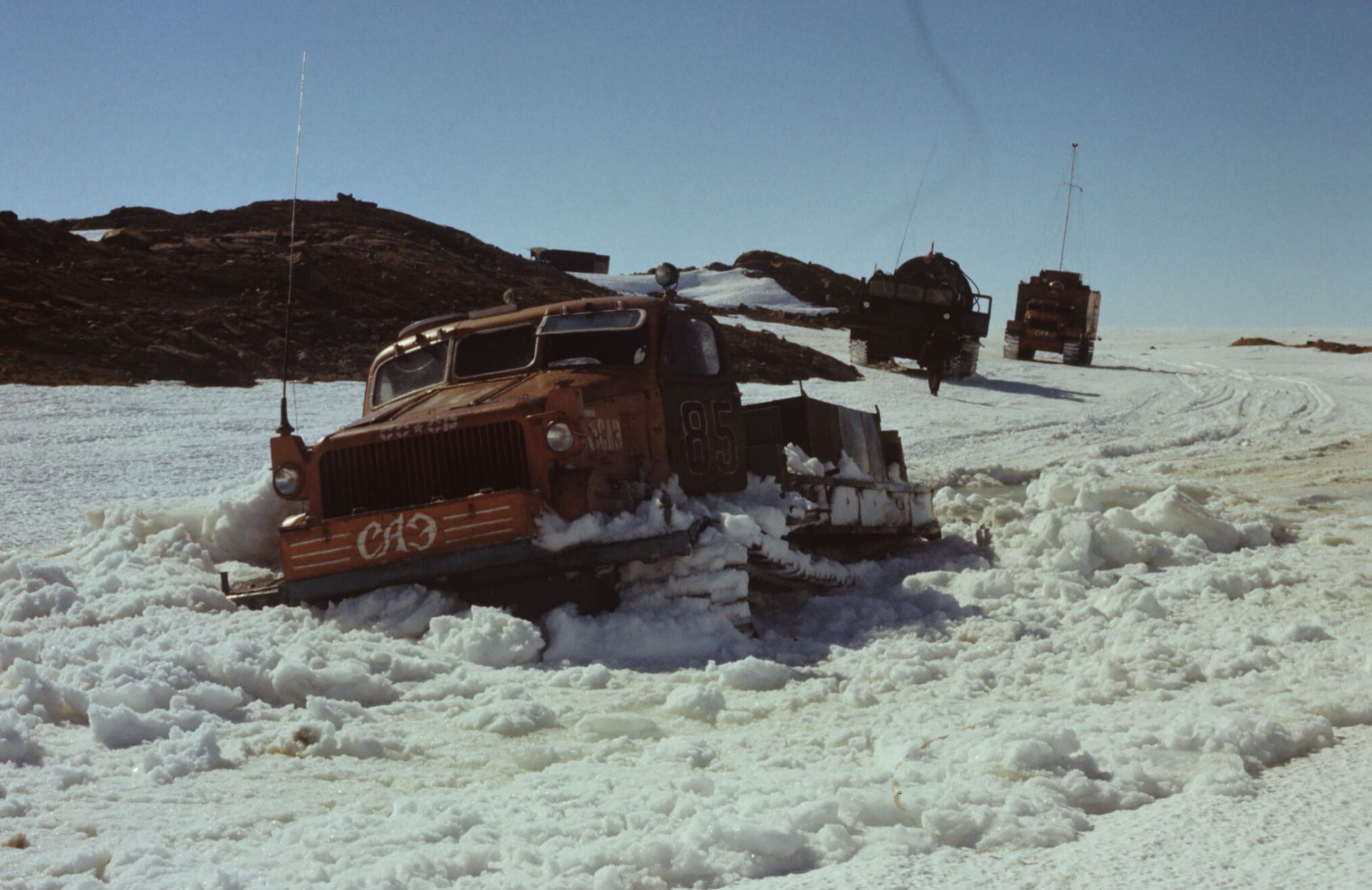
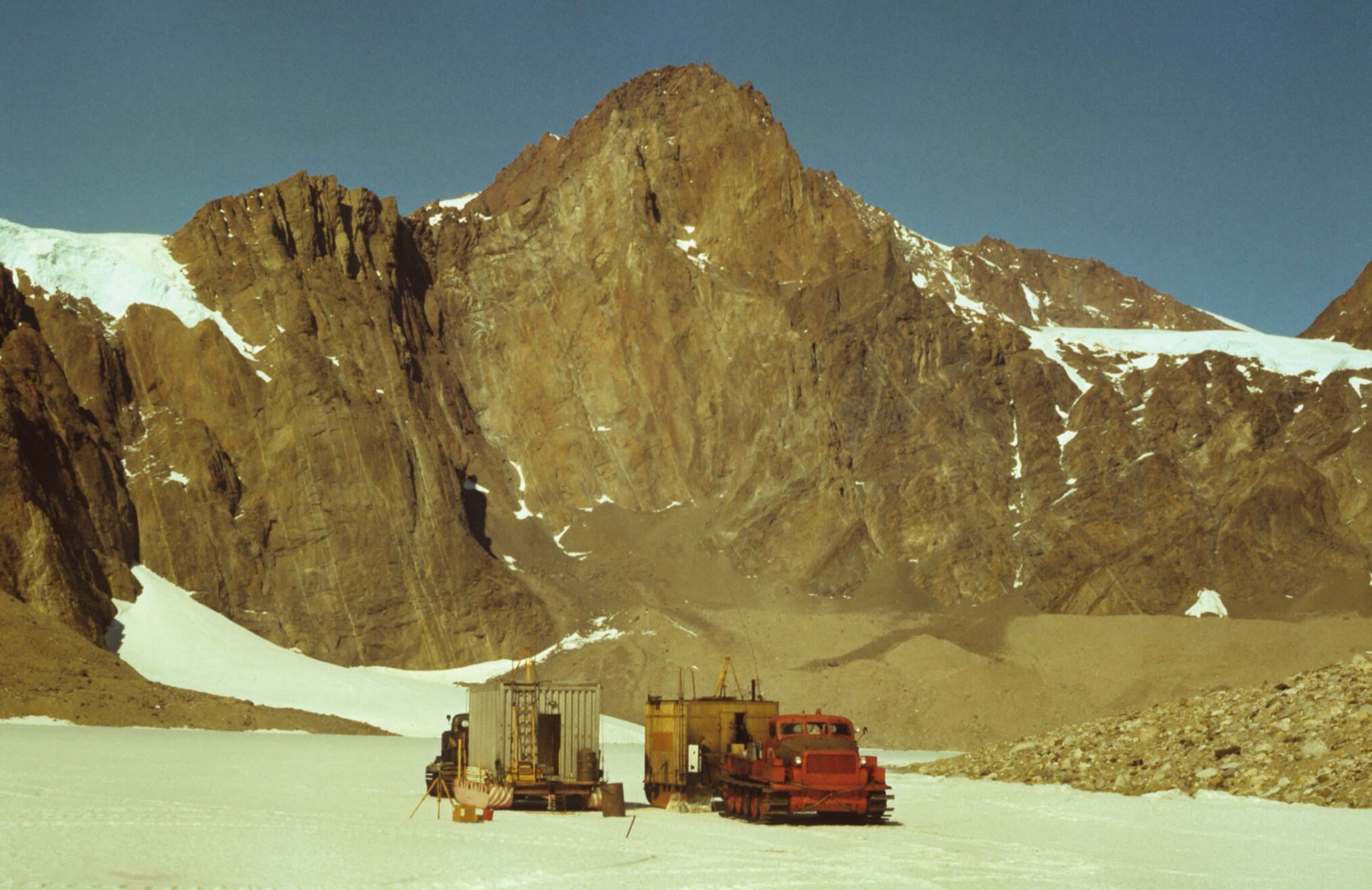
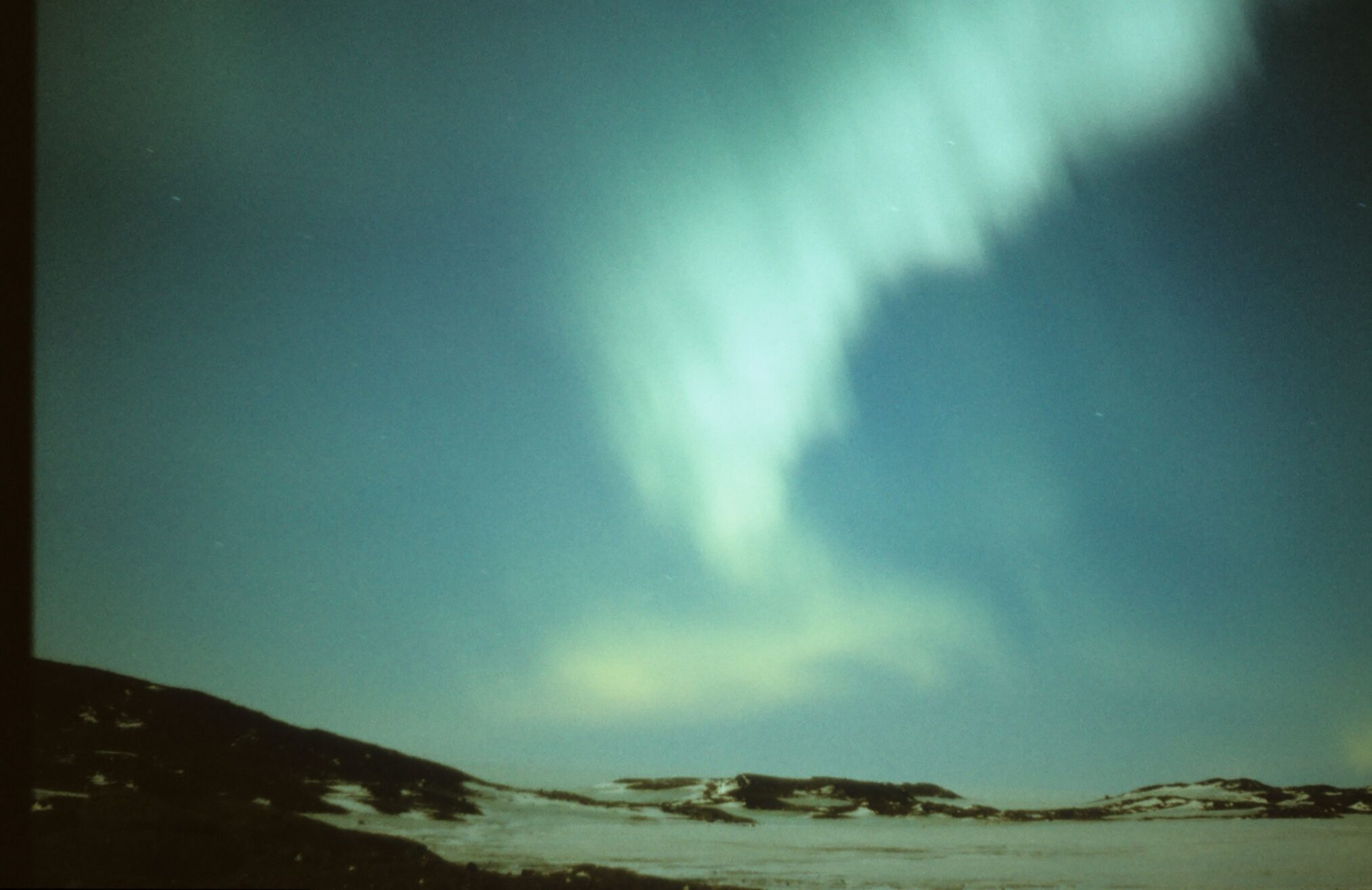
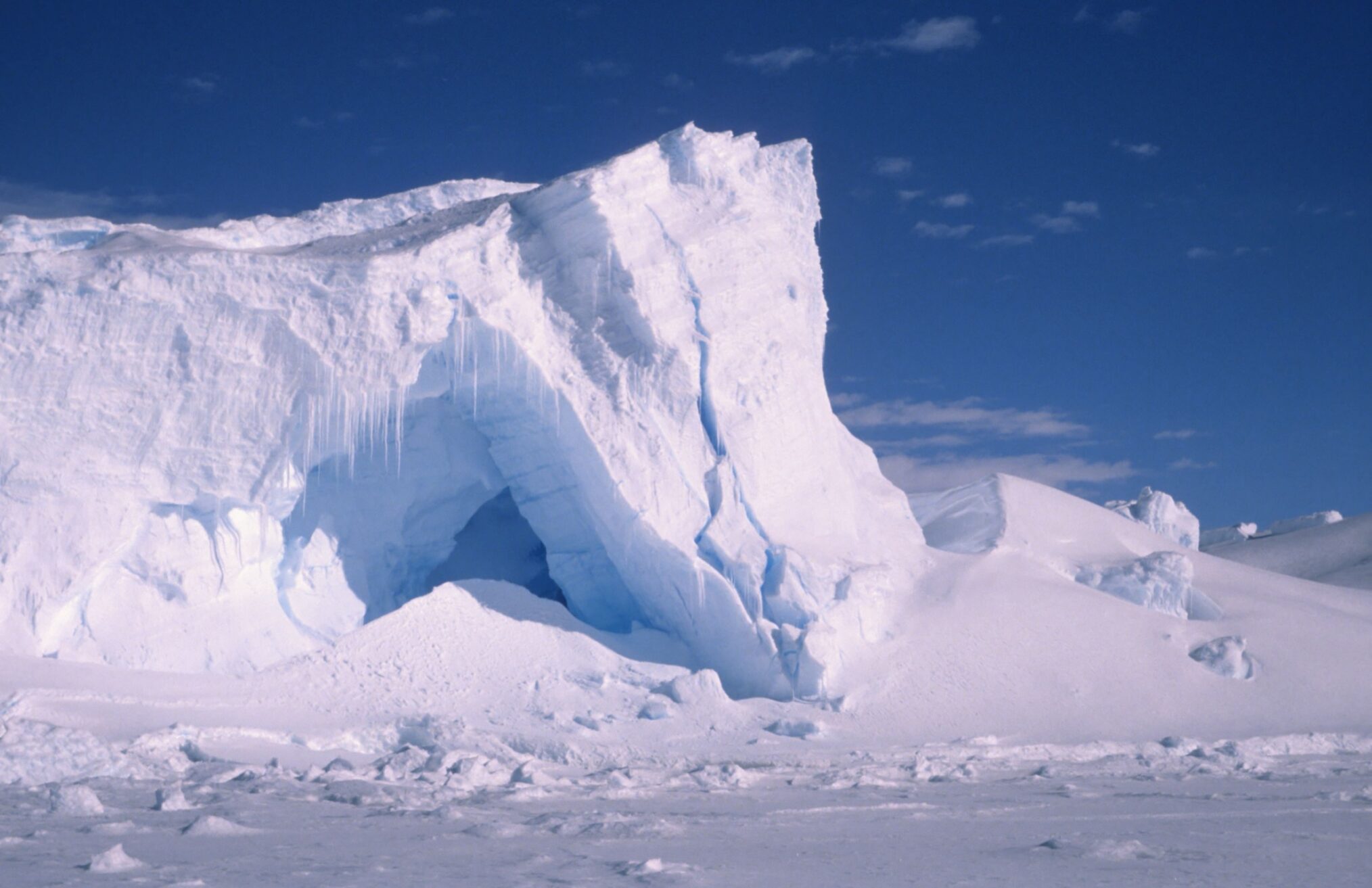
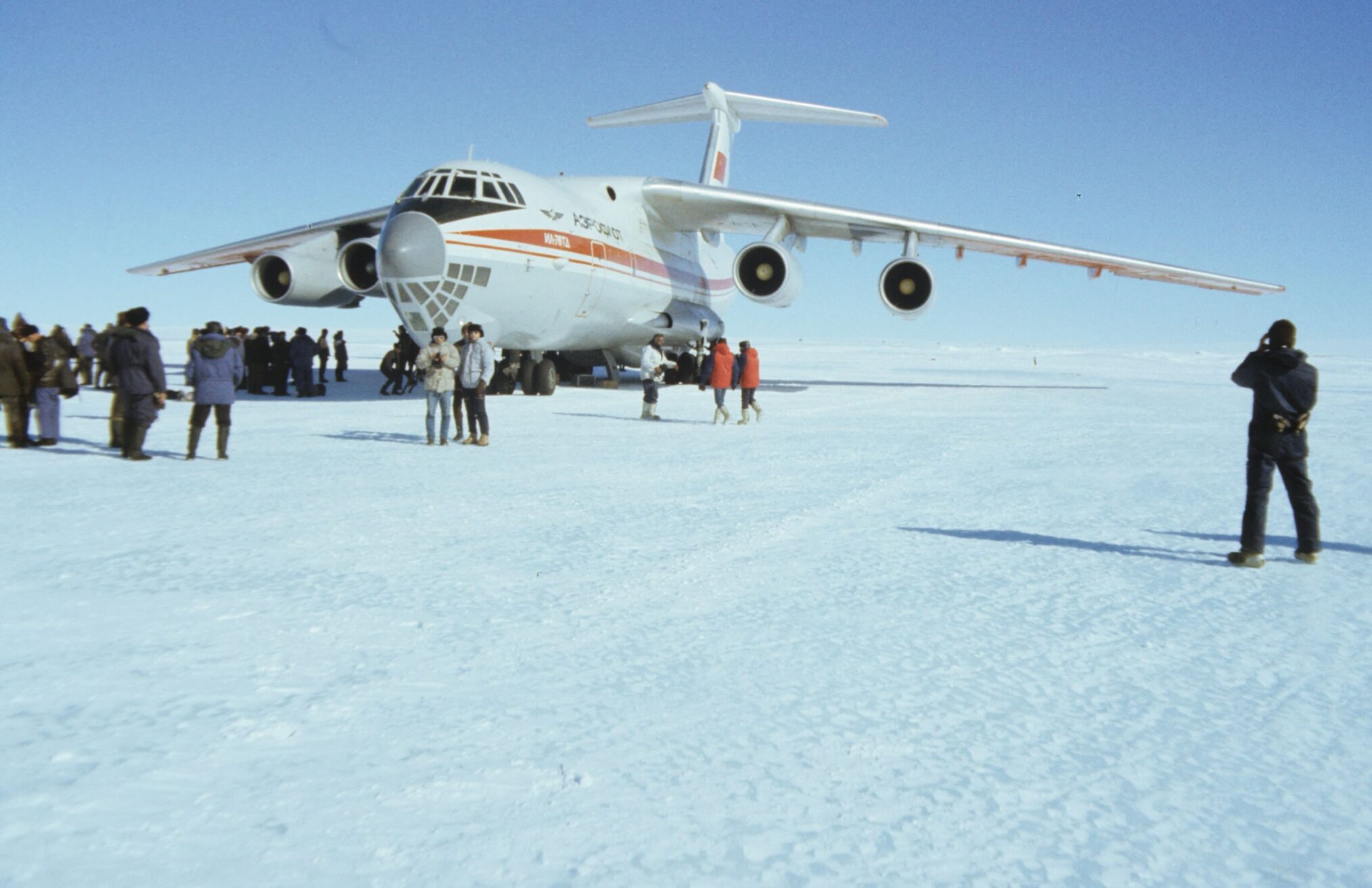
Using eyewitness accounts, diary excerpts, letters, film footage, magnificent landscape shots from the location, and unique photographs, the film reconstructs the thoughts and feelings, the research expeditions, and the impact of events tens of thousands of kilometres away on the small GDR expedition in the midst of the eternal ice.
Bizarre, serious, entertaining, and exclusive. An intimate chamber piece from the other end of the world at a turning point in world history.