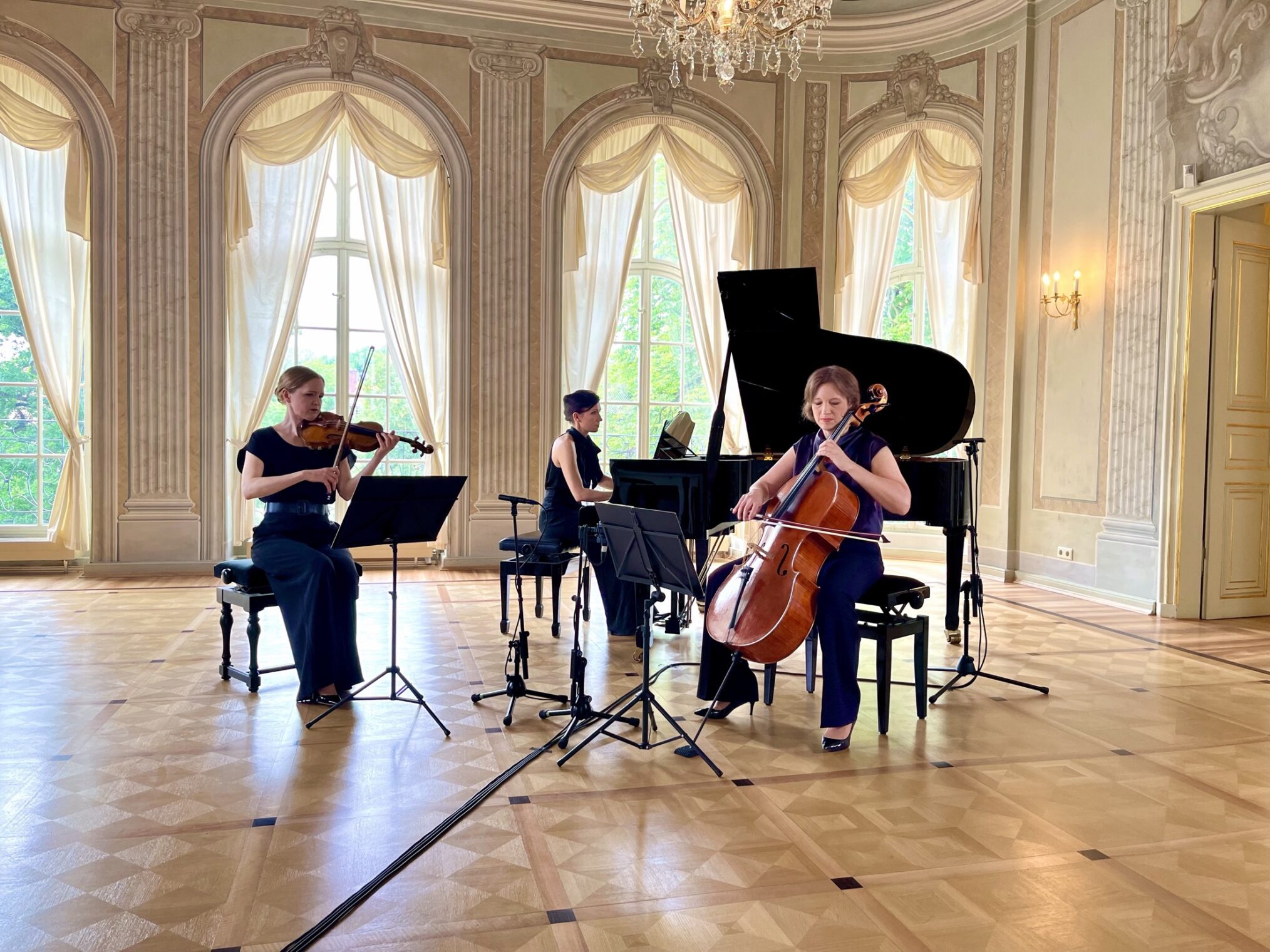
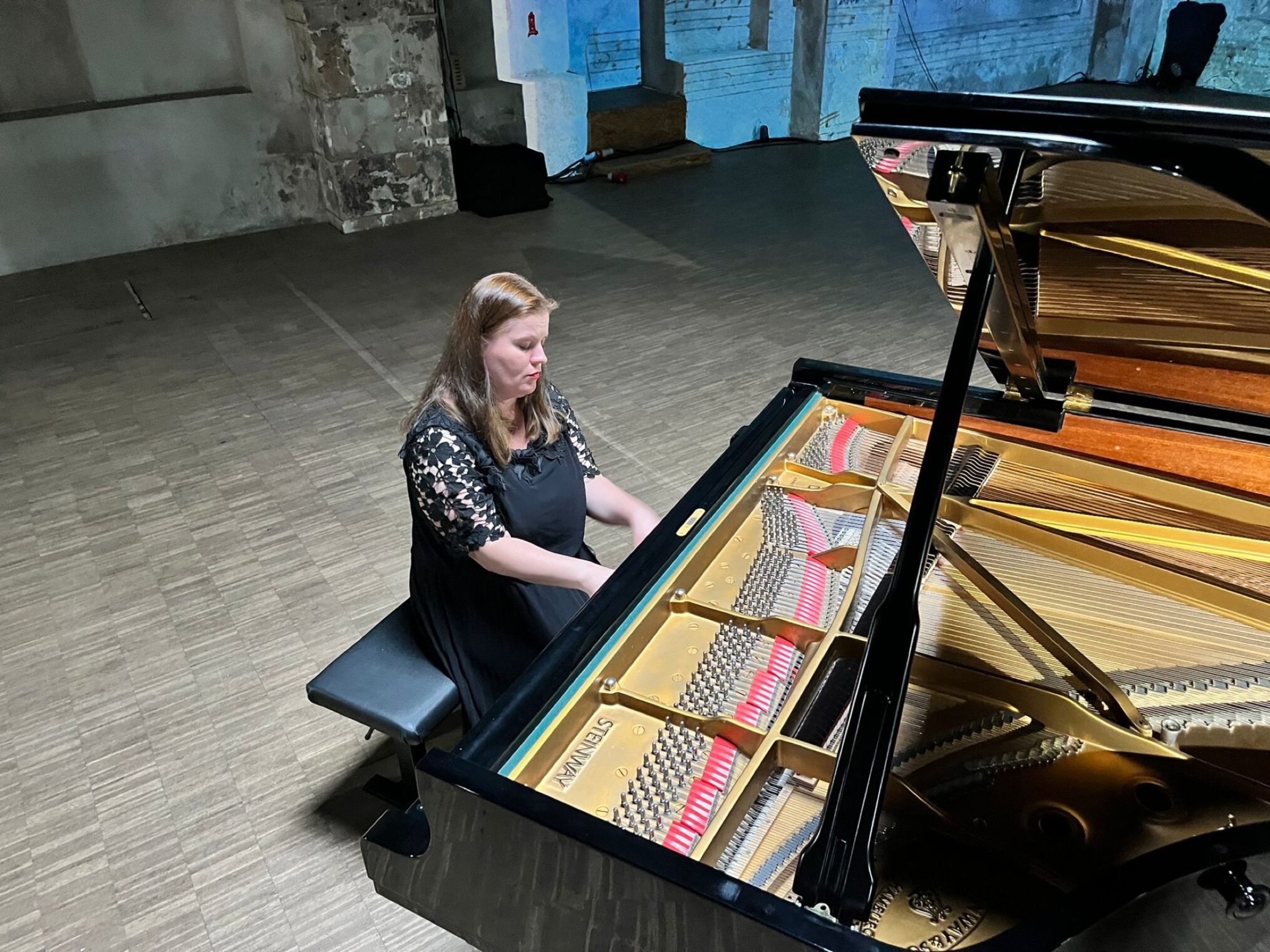
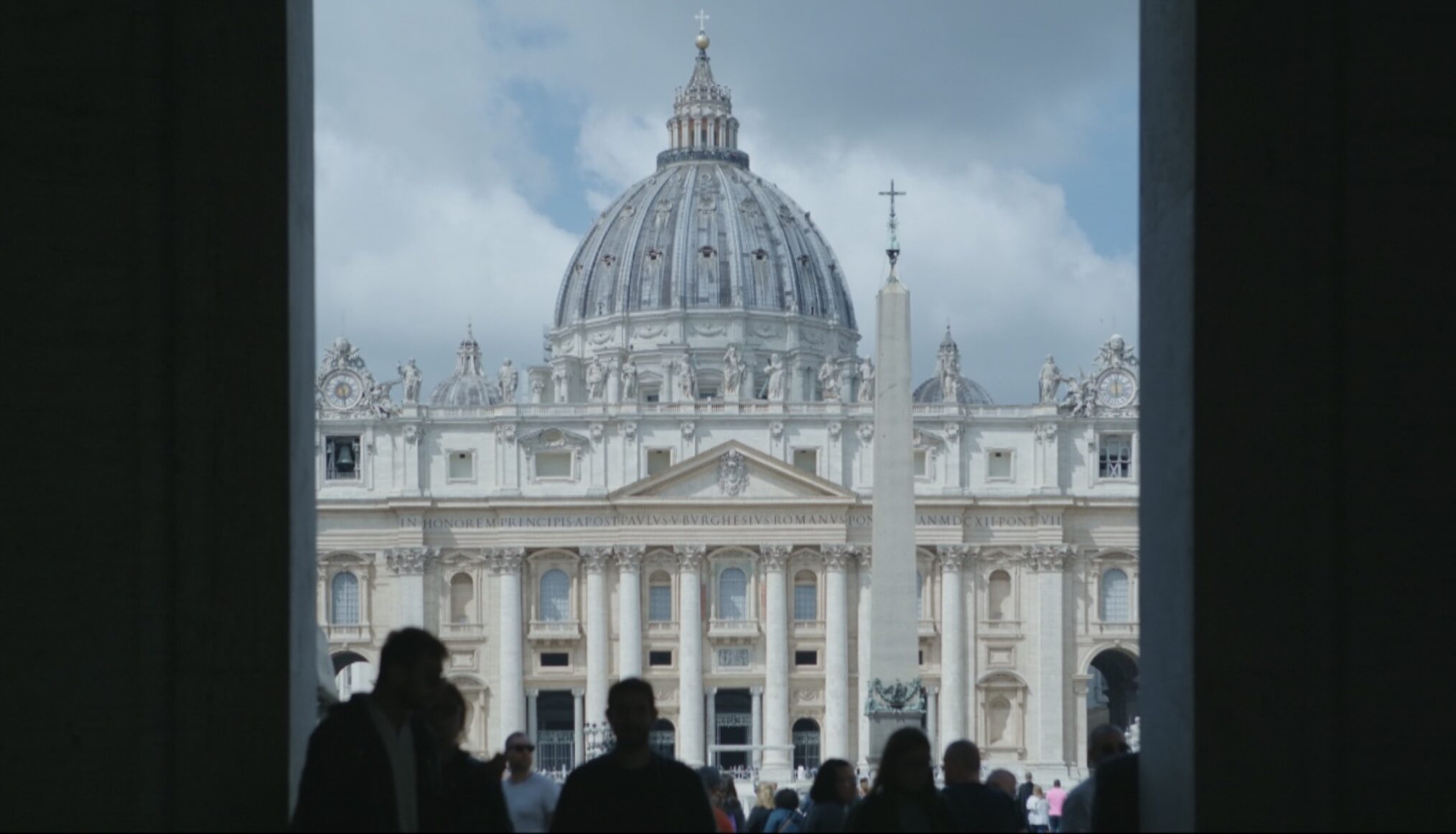
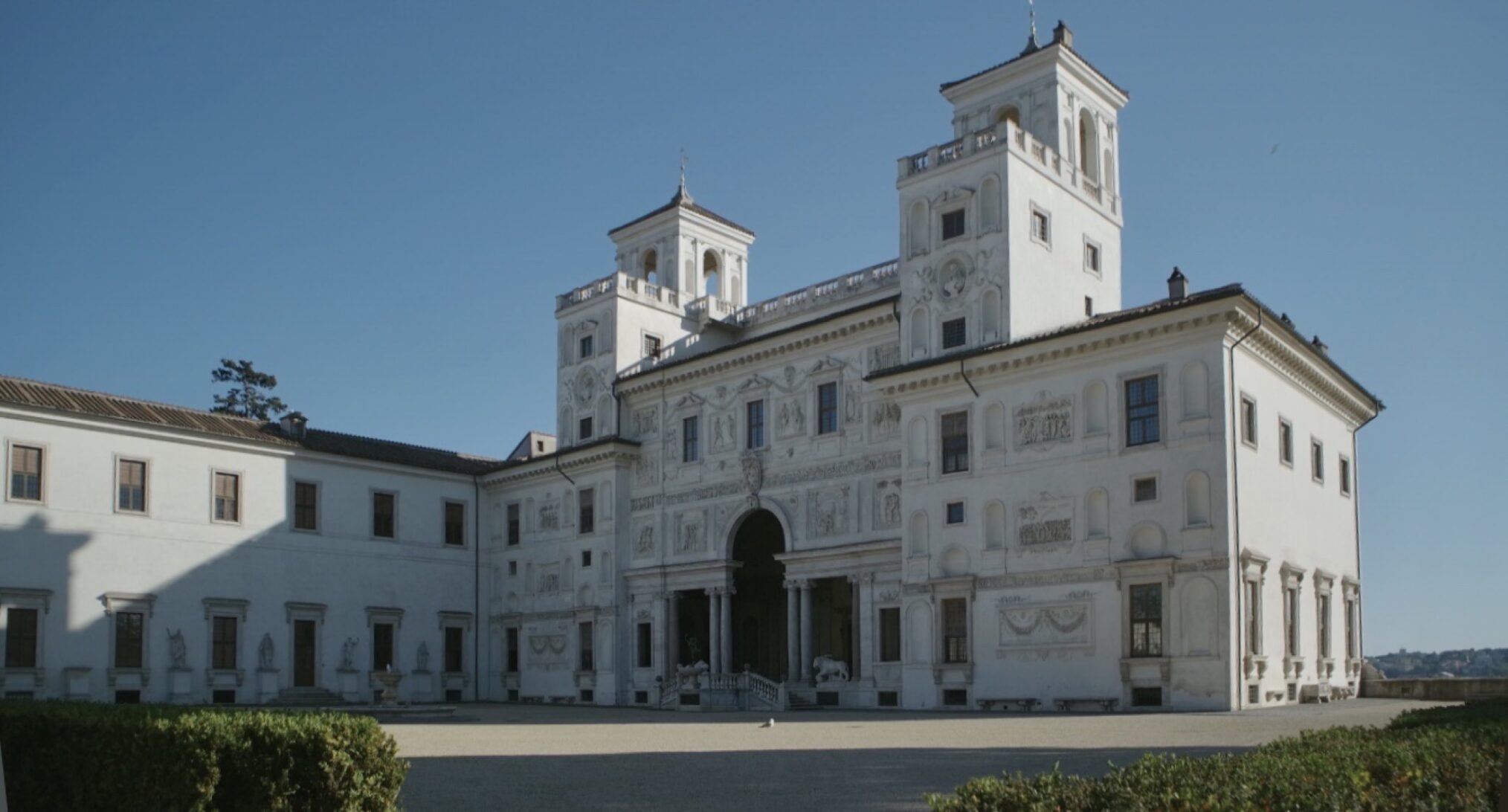
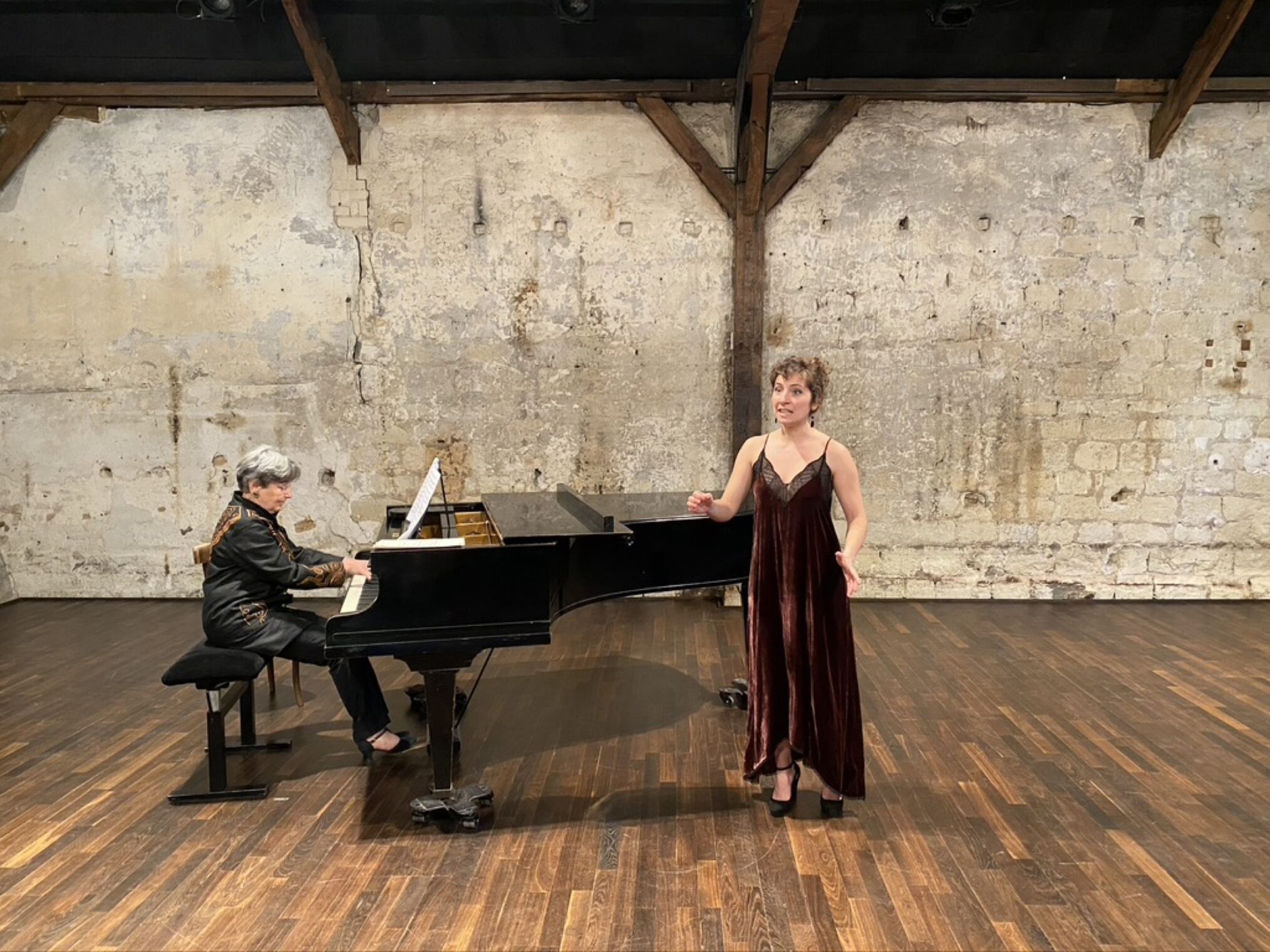
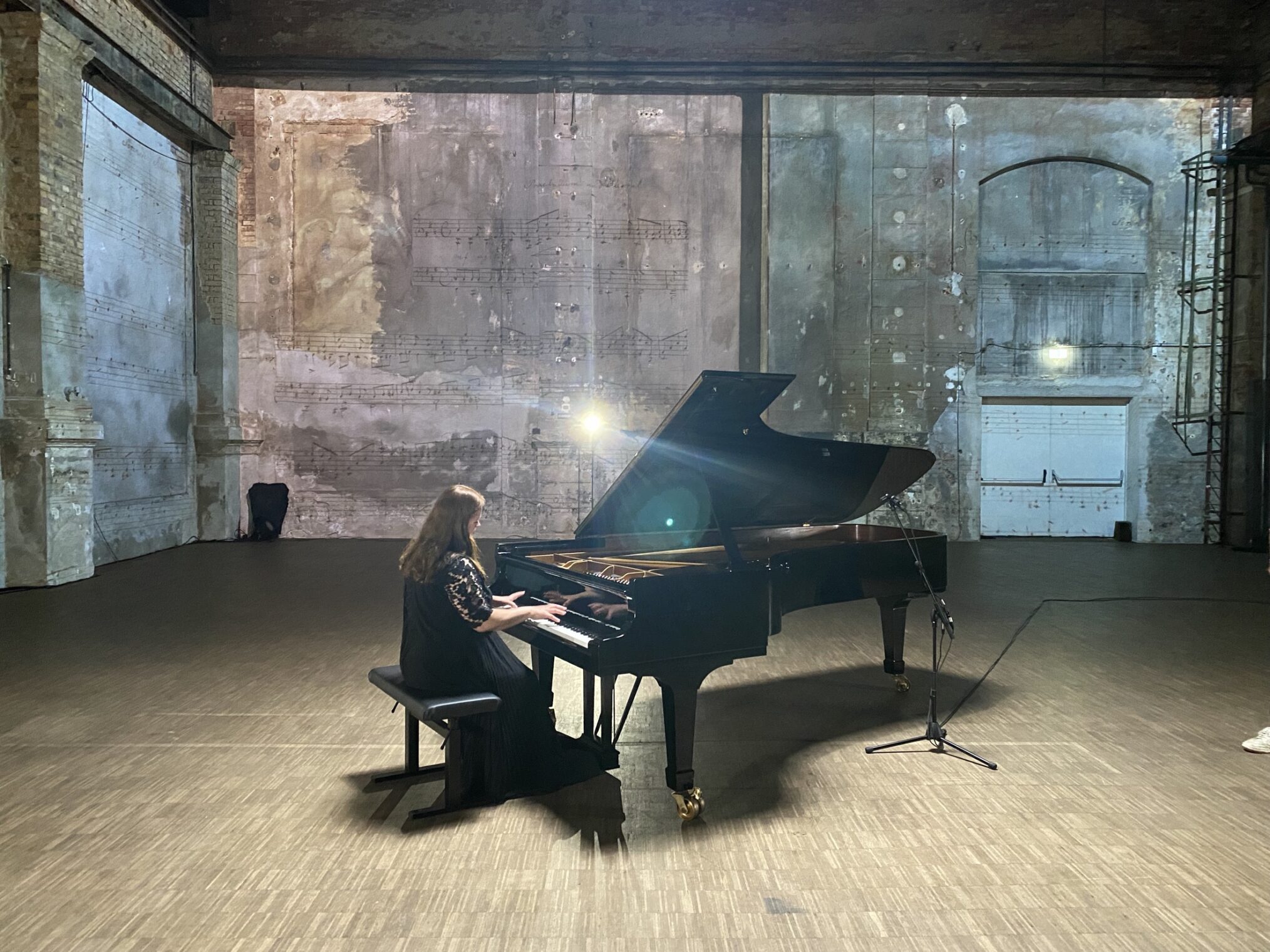
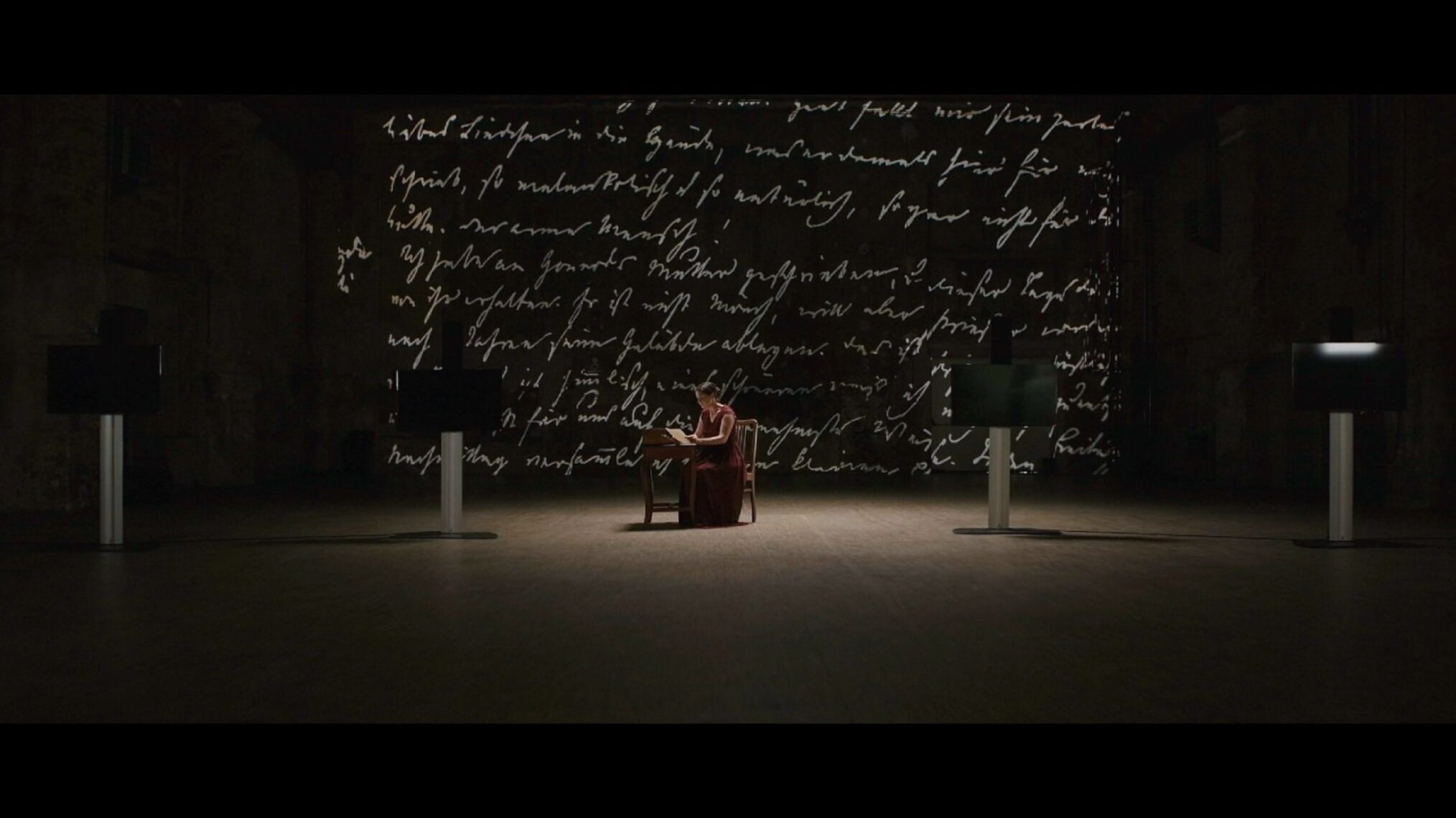
A 54-minute documentary for NDR and arte
- Written and Directed by: Anna Neuhaus
- Cinematography: Matthias Jim Günther, Ulf Wogenstein
- Editing: Matthias Jim Günther
A FILM BY ANNA SCHMIDT
German film version in the arte media library
French film version in the arte media library
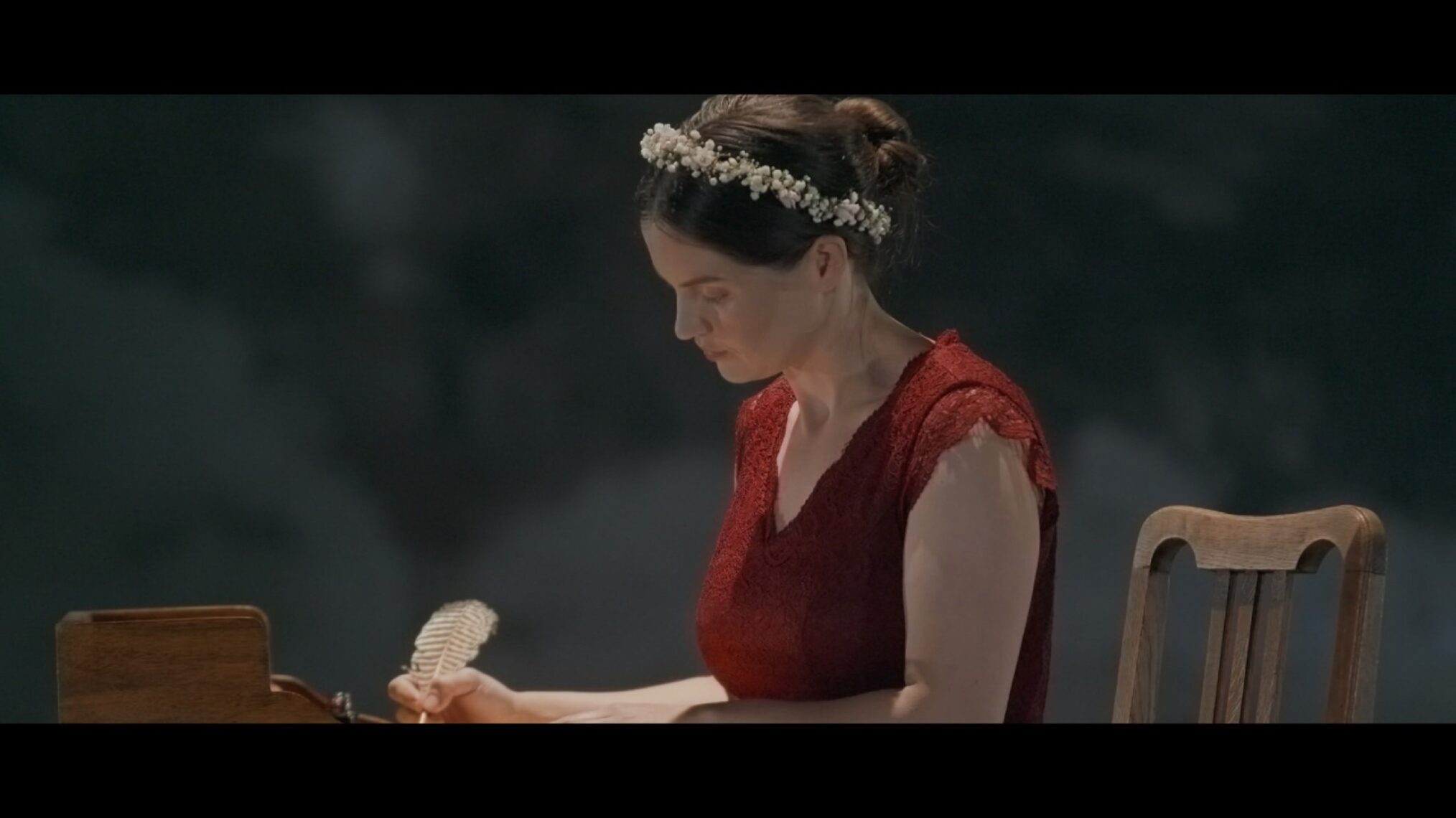
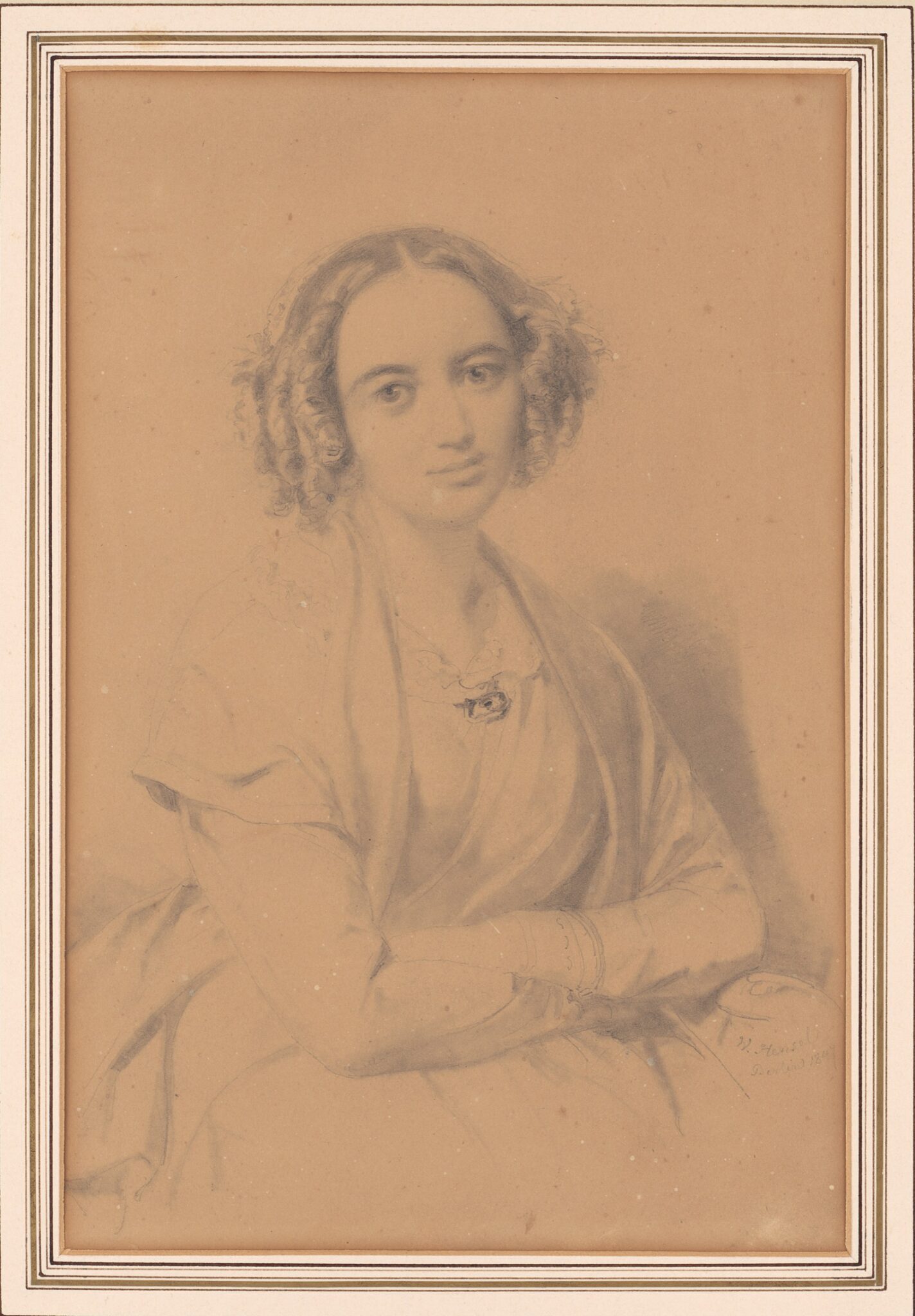
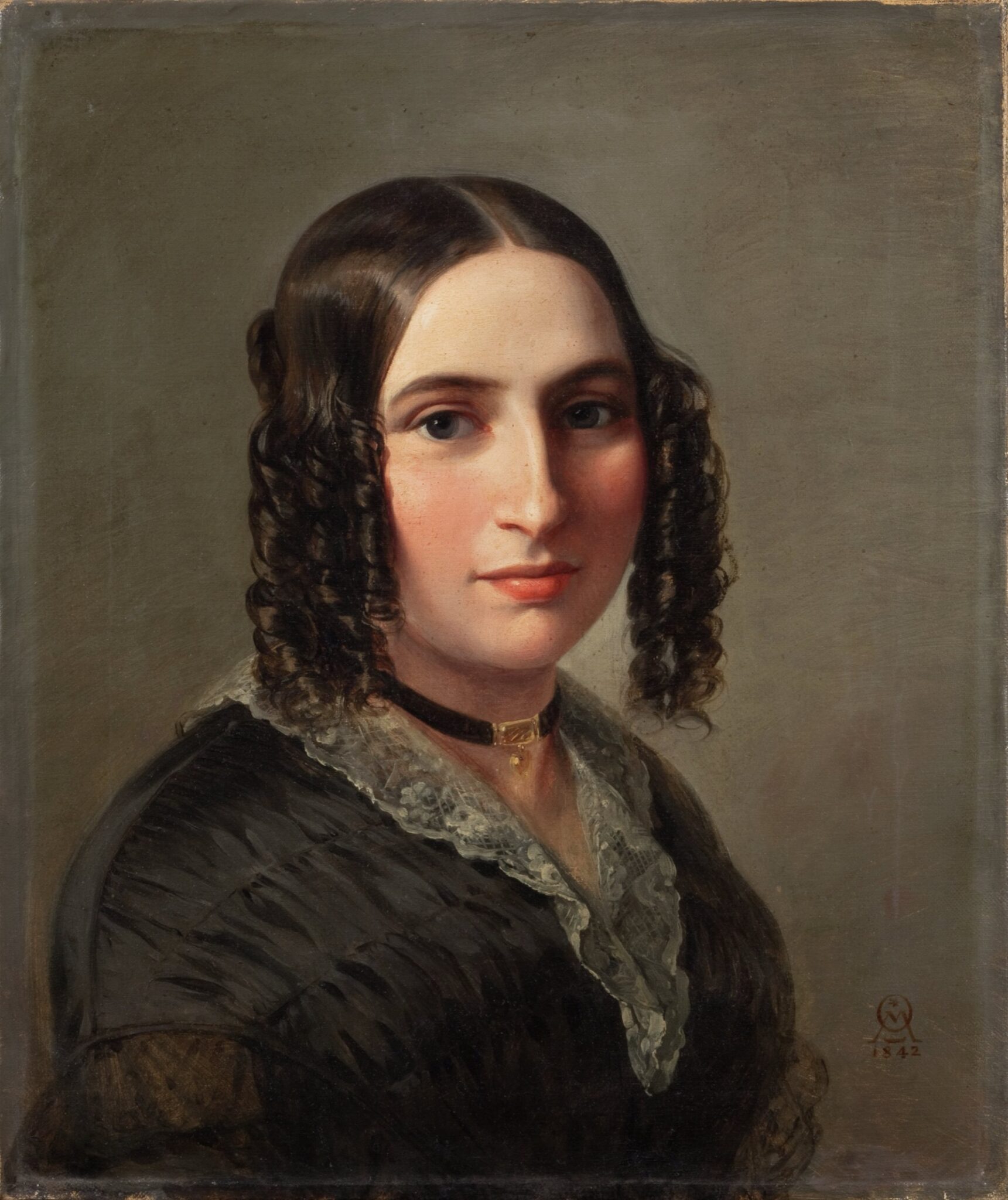
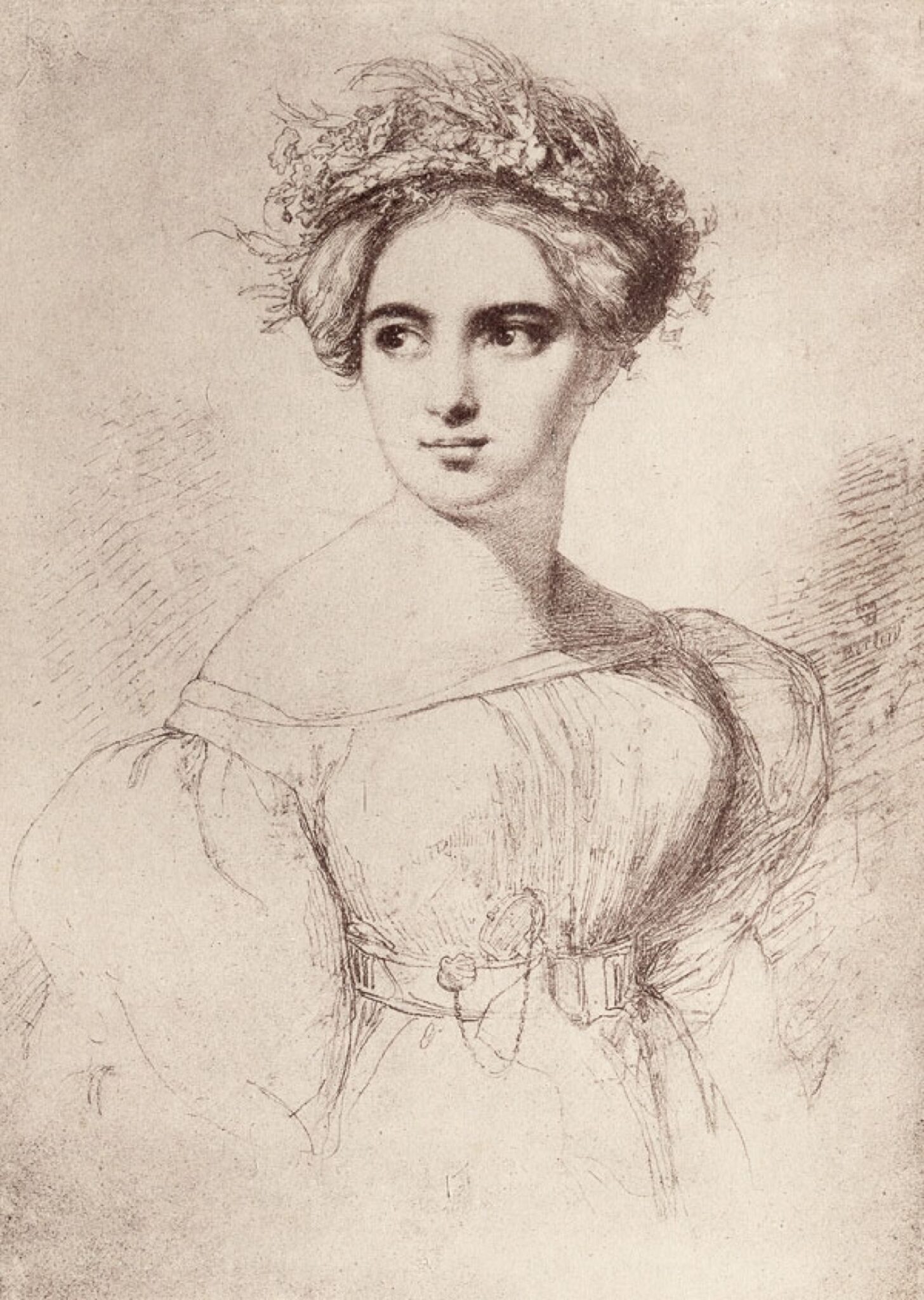
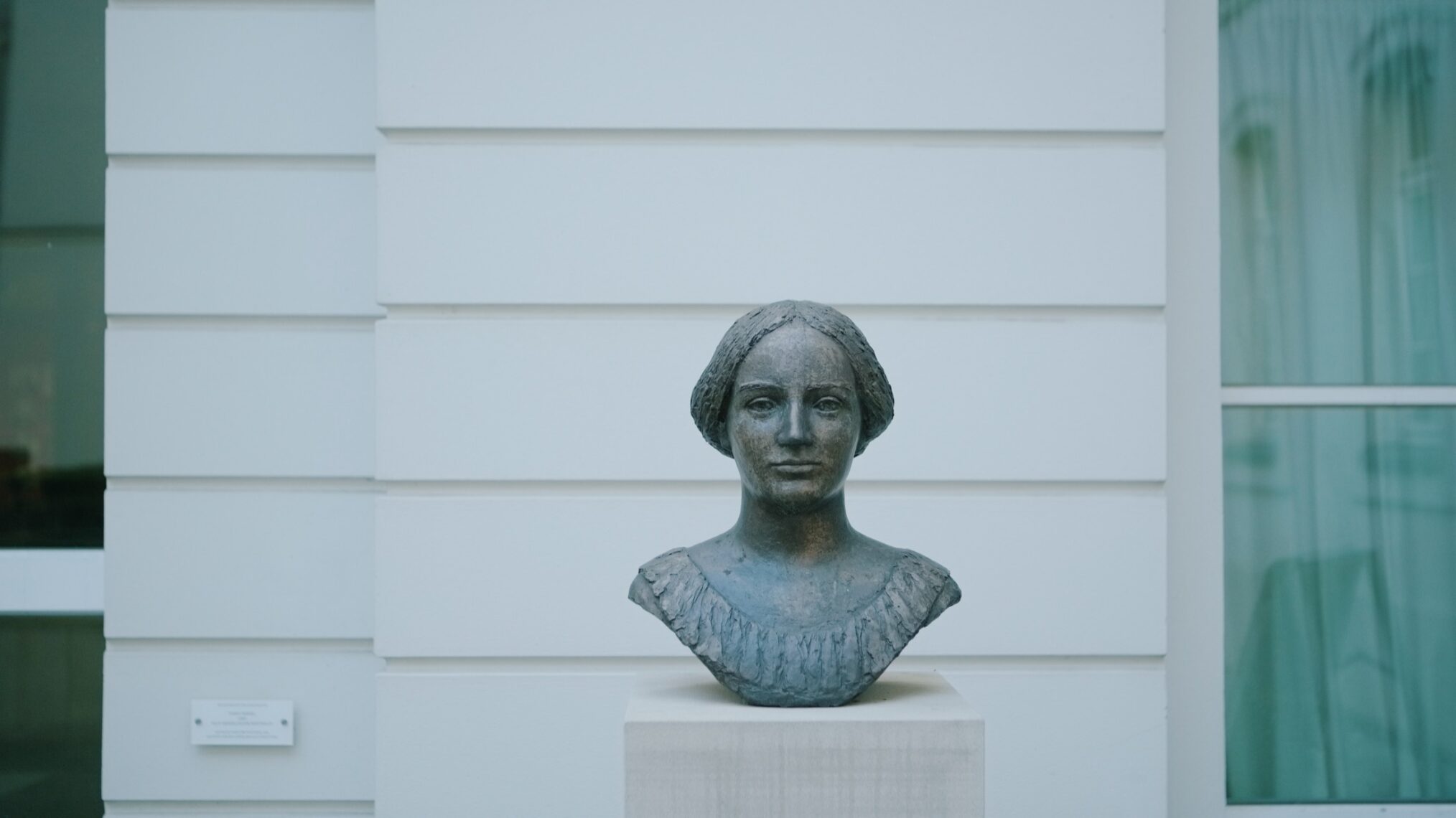
In the summer of 1846, Fanny Hensel is 40 years old and at a turning point in her life. She finally dares to publish her compositions. However, she does not suspect that she will not have time to enjoy the success. The sister of the famous Felix Mendelssohn Bartholdy is just as talented as her brother. But for her, different rules apply in the 19th century. While a musical career is open to him from childhood, Fanny is pushed into the role of housewife and mother. Although she, like Felix, possesses all the prerequisites for a great musical career, she will always remain in her brother’s shadow. For decades, he even prevents her from releasing her works.
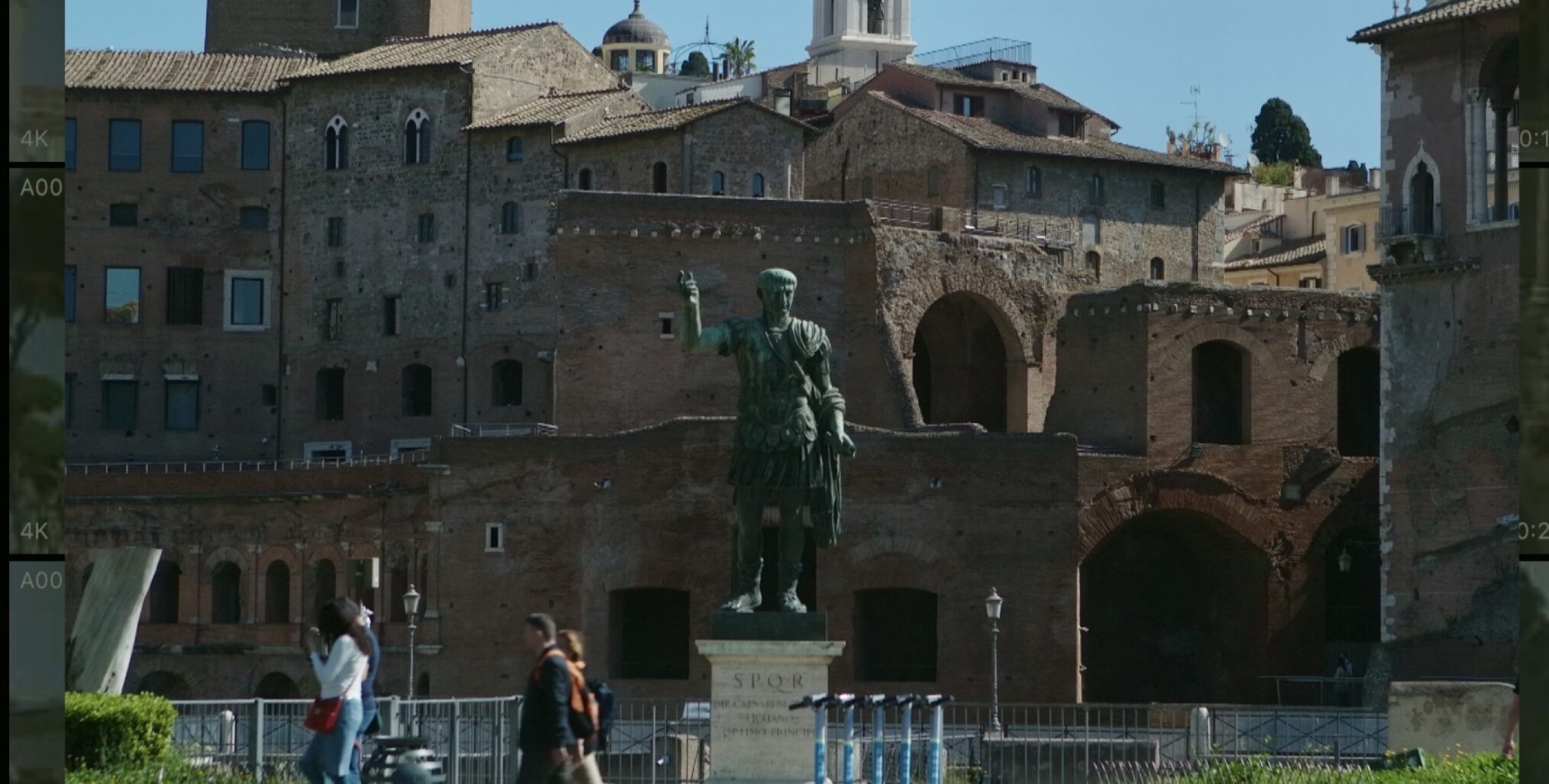
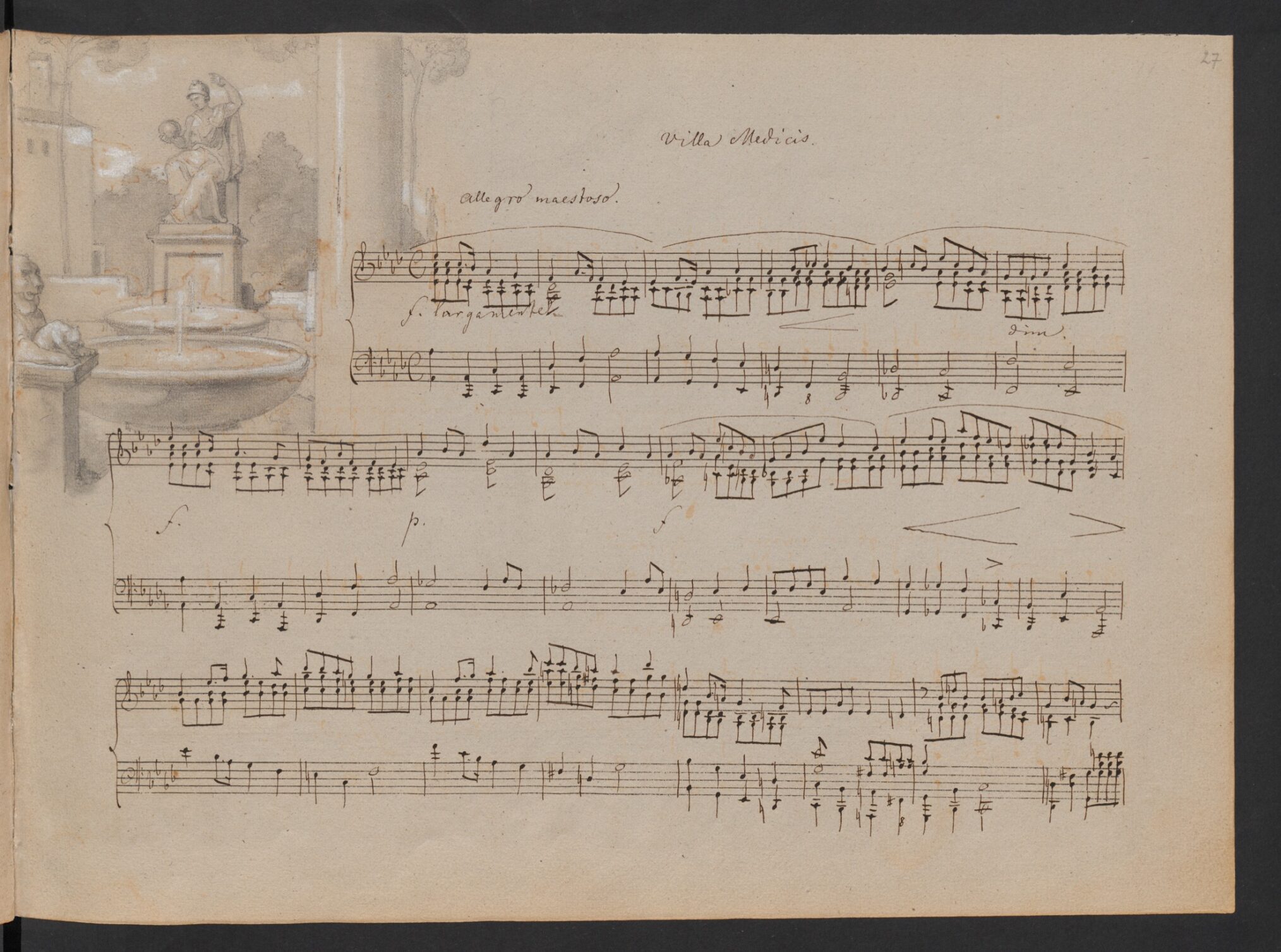
Yet Fanny Hensel continues to compose undeterred. More than 450 works are created, including piano and song compositions, orchestral and choral pieces, and chamber music. To this day, only fragments of her complete works have been published. Her life is marked by music, sibling rivalry, suppression, but also rebellion. Only shortly before the end of her life does she begin to emancipate herself from societal constraints – both artistically and personally. It is the echo of a late trip to Italy that unleashes a previously unknown creative and decisive power within her.
Today, Fanny Hensel is considered the most important female composer of the 19th century. How could she endure such limitations of her personality, her genius? How did it feel to live as a highly gifted female artist in an era of patriarchal constraints? And what turning points in her life led her to rebel against them shortly before her death? A portrait of the composer and pianist Fanny Hensel, née Mendelssohn, baptized Mendelssohn-Bartholdy.